
Having spent over a decade working around industrial equipment and natural product processing, I’ve come across many materials that appear straightforward but carry surprisingly complex traits. White willow bark extract is one of those. At first glance, it’s just a botanical derivative, but in real terms, the way it’s extracted, processed, and standardized makes all the difference—from raw material sourcing to final product applications.
Oddly enough, I noticed that despite its ancient history in herbal medicine, white willow bark extract continues gaining traction in industrial sectors, particularly in nutraceuticals and pharmaceutical intermediates. The story here is less about the bark itself and more about how consistently high-quality extracts are produced to meet strict regulatory and performance standards.
In my experience, the industrial demand for white willow bark extract hinges on the amount of salicin — the active compound responsible for its anti-inflammatory and analgesic properties. Yet, it’s tricky because the salicin content varies wildly depending on harvest time, location, and extraction methods.
Many manufacturers use ethanol or water-based extraction techniques. The choice affects purity, yield, and cost. Frankly, I’ve seen suppliers who cut corners and produce extracts with inconsistent profiles. That’s a red flag in quality control, especially when your customers expect reproducible effects from batch to batch.
| Specification | Typical Value |
|---|---|
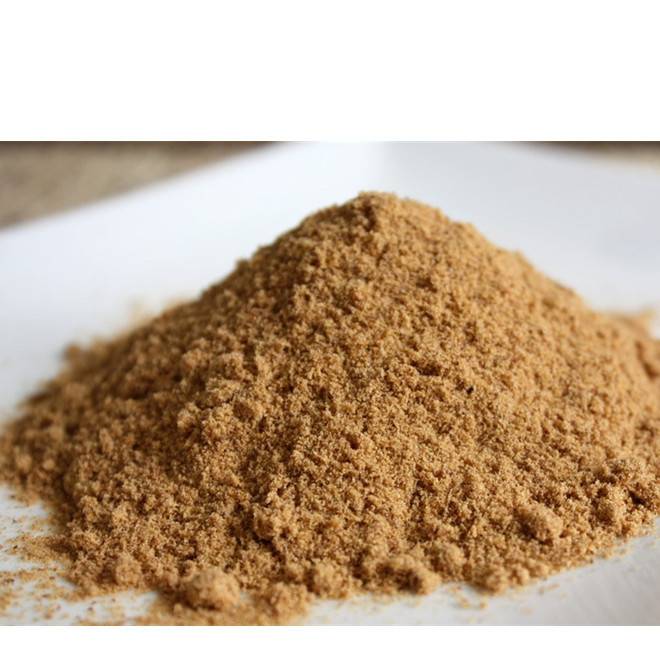
| Appearance | Light brown fine powder |
| Salicin Content | 15% - 20% (HPLC Standardized) |
| Extraction Solvent | Ethanol / Water Mixture |
| Moisture | Less than 8% |
| Heavy Metals | Compliant with USP limits |
| Microbial Load | Within pharmacopeial standards |
When I first jumped into sourcing white willow bark extract, I got lost in the varied specs and promises. Over the years, I’ve found some key differentiators that separate trustworthy suppliers from the rest. So, here’s a quick comparison I often refer to internally:
| Vendor | Salicin Standardization | Extraction Method | Certifications | Lead Times |
|---|---|---|---|---|
| Hex Herbal Medicine | 15-20% Salicin (HPLC validated) | Ethanol-water extraction | GMP, ISO, Organic | 2-3 weeks |
| Natural Extract Co. | 10-15% Salicin | Water extraction only | ISO, GMP | 3-5 weeks |
| Botanical Solutions Ltd. | 18-22% Salicin | Ethanol extraction | GMP | 4 weeks |
One little story I like to share involves a mid-sized supplement brand that switched vendors to improve their product consistency. They reported that after switching to a supplier with stricter salicin standardization and testing protocols — notably, one like Hex Herbal Medicine — their customer returns dropped dramatically. It’s simple but shows how crucial quality control and transparency are in this industry.
To sum up, white willow bark extract is not just "bark powder." It’s a highly technical product that requires expert handling, from sourcing sustainable raw materials to precise extraction and rigorous testing. If you’re in the industrial or supplement space, diving deep into vendor certifications, analytical methods, and batch-to-batch consistency will pay off.
Honestly, it’s one of those niche areas where experience counts—there’s no substitute for trusting the supplier you choose. I suppose that’s the lesson I’ve learned through years in the field: quality is more than a spec sheet, it’s a story, a process, and a promise.
References: