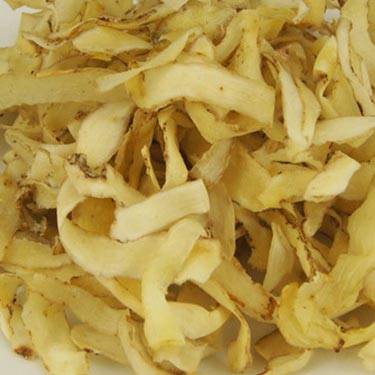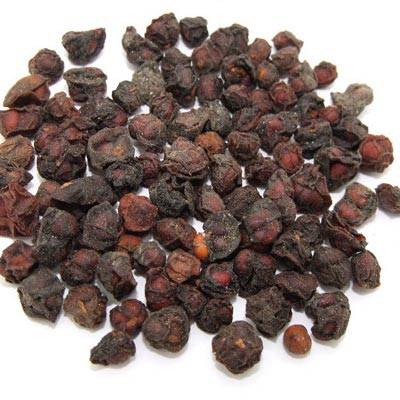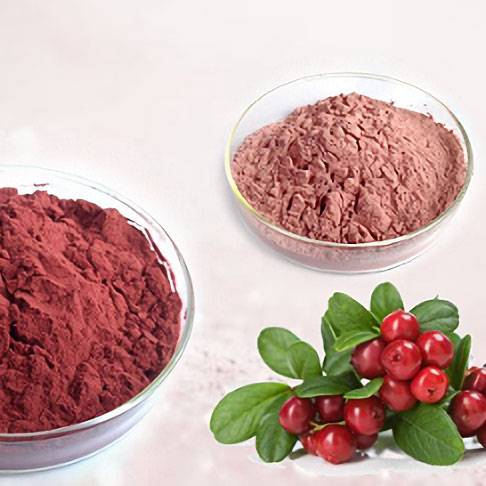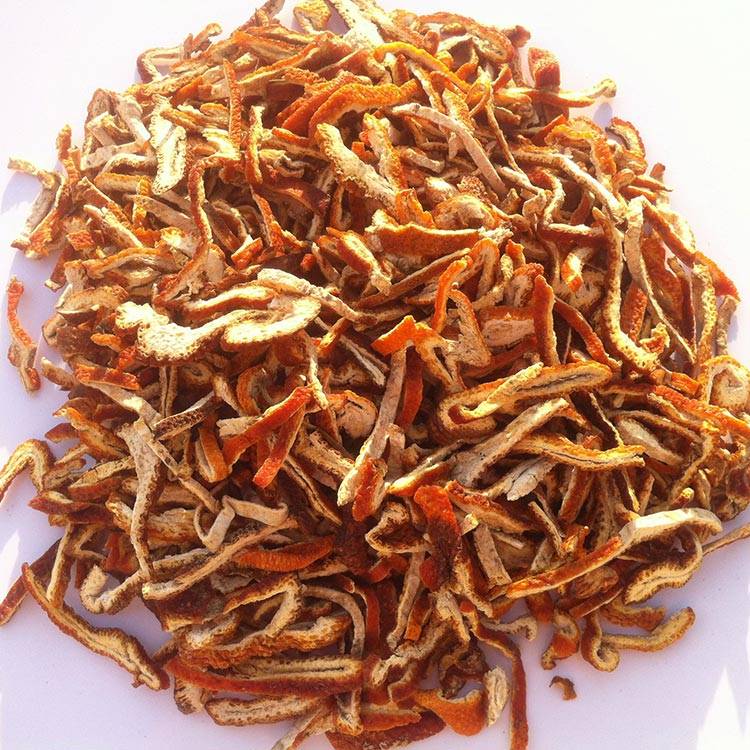

Working for over a decade around industrial equipment, you kind of get used to thinking in nuts-and-bolts ways — specs, tolerances, reliability. But oddly enough, I’ve noticed how certain natural products like rhodiola standardized extract are surfacing in the supplements sector with a similar emphasis on rigorous quality control. It’s as if the industrial mindset has found a parallel in botanical extracts.
For those who haven’t come across it yet, Rhodiola rosea is an adaptogen — a plant believed to help the body manage stress and fatigue. From an industry perspective, the “standardized extract” part really piques my interest because it hints at uniformity in active compounds. Standardization means the extract’s strength and purity are controlled — a bit like how we ensure a machine component consistently meets spec. So, no guesswork, just reliable performance.
In my experience working around production lines manufacturing these extracts, tight quality checks are crucial. If the rhodiola extract isn’t consistent, its efficacy becomes a gamble. That’s why many producers and consumers now prefer extracts standardized to 3% rosavins and 1% salidroside — the key flavonoids linked with stress relief and cognitive benefits. I suppose it’s kind of like choosing material grades in engineering: you want to know what you’re really getting.
| Specification | Detail |
|---|---|
| Plant Source | Rhodiola rosea root |
| Standardization | 3% Rosavins, 1% Salidroside |
| Appearance | Fine brownish powder |
| Extraction Solvent | Ethanol & water mix |
| Moisture Content | Max 5% |
| Heavy Metals | Compliant with USP limits |
I’ve seen firsthand how different suppliers approach Rhodiola extracts. Some focus on high-yield processes but ignore traceability, which frankly makes me nervous — it’s like running a machine without proper calibration. Others emphasize organic sourcing and multiple assay tests, which align better with industrial-grade reliability. Here’s a quick rundown to give you a snapshot:
| Vendor | Standardization | Certifications | Price (per kg) | Lead Time |
|---|---|---|---|---|
| Hex Herbal Medicine | 3% Rosavins, 1% Salidroside | GMP, ISO 9001 | $450 | 2 weeks |
| Nordic Naturals | 2.5% Rosavins, 0.8% Salidroside | Organic, Non-GMO | $480 | 3 weeks |
| Alpine Herbs | 3.5% Rosavins, 1.2% Salidroside | ISO 22000 | $475 | 4 weeks |
One memorable project I was involved in required sourcing rhodiola extract for a client producing stress-relief supplements aimed at industrial workers in high-stress environments. They needed an ingredient that was not just potent but consistent across bulk lots — no surprises. Working with a trusted vendor like Hex Herbal Medicine, known for clear specs and fast delivery, saved us headaches down the line. The client reported fewer quality control issues and better user feedback once switched to a standardized extract formula.
The real kicker? While the botanical world sometimes feels a bit like the "wild west," the rhodiola standardized extract market has matured. It reflects a broader industrial trend—quality assurance and provenance matter just as much as potency. You could say it’s the natural product sector adopting some of the discipline familiar in the world of machines and materials.
So, if you're looking to integrate a reliable adaptogen into your product lineup — whether for stress relief or general energy support — standardized rhodiola extract checks many boxes. But remember, the devil’s in the details: the quality of extraction, the vendor certifications, and the exact standardization percentages all impact the final effect. It’s a bit like choosing the right bearing for an engine; overlook one specification, and performance can suffer.
For those intrigued (or if you want to explore trusted sources), I recommend checking out rhodiola standardized extract options available with clear certificates of analysis and transparent supply chains. It’s been my experience that suppliers who prioritize these details bring peace of mind — and frankly, that’s priceless for anyone serious about quality.
After all, no one wants their product formula to feel like a gamble, right?
References
1. Panossian, A. & Wikman, G. (2010). Effects of Rhodiola rosea on stress-related fatigue.
2. European Pharmacopoeia, Rhodiola rosea monograph.
3. Hex Herbal Medicine official product literature.