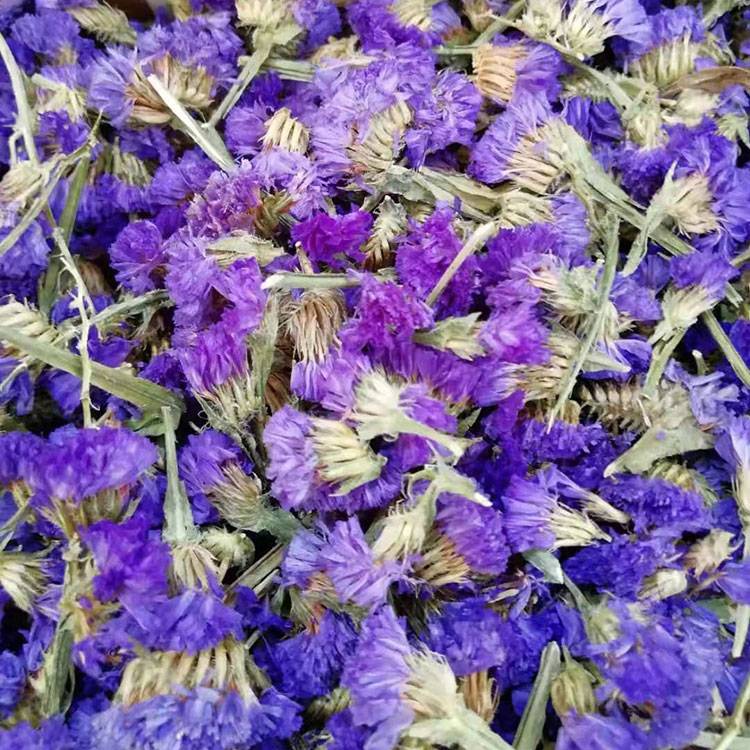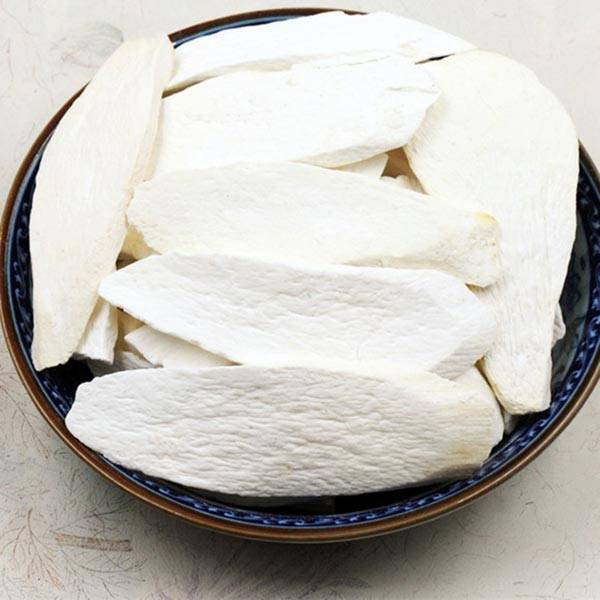

If you’ve spent time in herbal sourcing, you know one simple request—Types Of Angelica—can mean four different roots, three industries, and at least a dozen spec sheets. I’ve walked farms, sniffed drying rooms, and yes, negotiated over moisture percentages more than I care to admit. Here’s the straight talk buyers keep asking for, plus fresh lab notes and what’s trending in 2025.
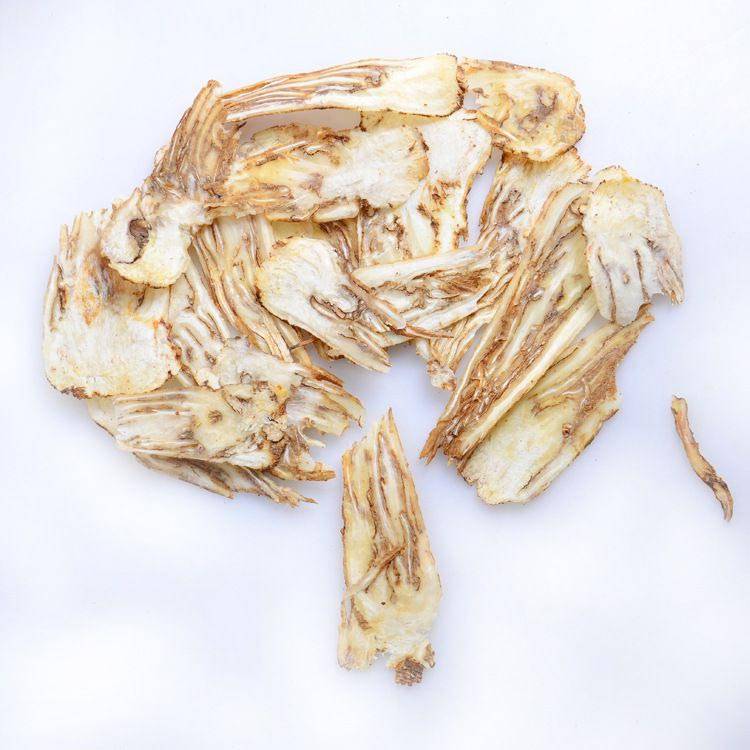
Industry trend, quick take: formulators want cleaner labels (no sulfur fumigation), traceable lots, and tighter pesticide screens. Extract buyers are pushing for solvent transparency and validated HPLC fingerprints—no more “trust me” PDFs.
Origin and exporter on file: NO.12, XIJIAN STREET, SHIJIAZHUANG CITY, HEBEI PROVINCE, CHINA (Hex Herbal Medicine). Short Description: cut root, powder, or standardized extract—customizable.
| Item | Spec (≈, real-world may vary) | Method/Standard |
|---|---|---|
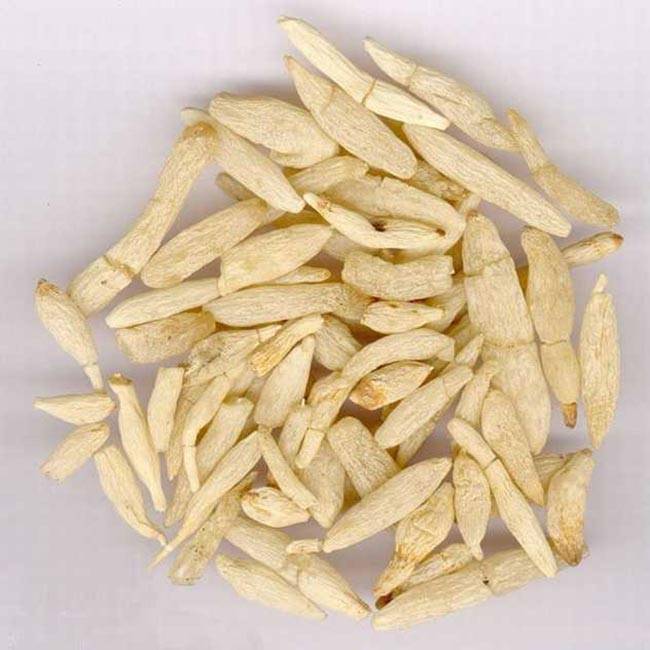
| Appearance | Root slices/cubes; 40–80 mesh powder; 5:1 or 10:1 extract | Internal SOP |
| Moisture | ≤ 12% | Loss on drying |
| Ash | ≤ 5% | ChP/USP |
| Markers (A. sinensis) | Ferulic acid ≈0.08–0.12%; Ligustilide ≈0.6–1.2% (oil fraction) | HPLC, GC; ChP 2020 |
| Heavy metals | Pb | ICP-MS, USP |
| Microbiology | TAMC | USP / |
| Shelf life | 24–36 months sealed, ≤25°C, RH | Real-world QC |
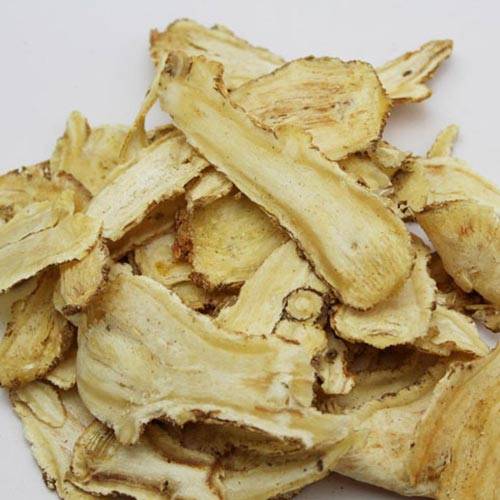
Materials: GAP-like field selection, harvest at root maturity, low-temp drying, sulfur-free by default (fumigation optional on request), slicing/milling, sieving, metal detection, lot coding. Methods: TLC ID, HPLC marker assay; GC for volatile oils; full pesticide screen (EU/China—most clients ask for ≥500). Service life depends on packaging—multi-layer foil with desiccant wins, to be honest.
Certifications (typical): ISO 22000/HACCP for food safety; GMP workshop for extracts; Kosher/Halal available; COA + SDS + Allergen + Non-GMO statements. Many customers say the updated HPLC fingerprints made vendor audits smoother this year.
| Vendor | Traceability | Certs | Customization | Lead time |
|---|---|---|---|---|
| Hex Herbal (Hebei) | Farm-to-lot codes; field photos on request | ISO 22000, HACCP, GMP (extract) | Cut size, mesh, extract ratio, markers | 7–15 days ex-works |
| Broker M (EU) | Mixed—aggregated lots | GFSI warehouse | Limited; mostly stock | 2–4 weeks |
| Trader X (multi-origin) | Varies | Basic COA | Minimal | Uncertain |
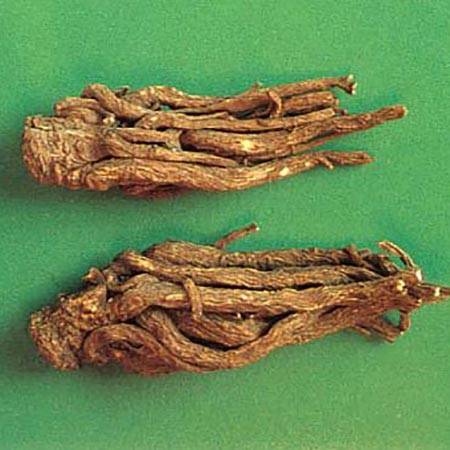
Customization: sulfur-free dried roots, low-pesticide lots, 20–100 mesh, 5:1/10:1 water/EtOH extracts, ligustilide “kept high” via gentle drying, private-label pouches. Honestly, the mesh choice affects flavor release more than people expect.
Case study—Nutraceutical brand (US): switched to Types Of Angelica with verified ferulic acid; reformulated to meet USP micro limits; downtime reduced due to consistent milling. Case study—Craft distillery (EU): standardized A. archangelica root with moisture ≤10% cut cloudiness by ≈40% in gin runs.
Buyer feedback this quarter: “Cleaner aroma, fewer rejects, COA matched our in-house HPLC within 5%—that’s rare,” one QA manager told me. I guess repeatability still wins the day.