
Having worked in the industrial equipment sector for over a decade, I wasn’t always tuned into botanical products like rhodiola root powder. Oddly enough, it was through discussions with colleagues branching into herbal supplement production that I first got curious about this stuff. It’s not just another powdered root; in real terms, rhodiola root powder carries some intriguing qualities that make it stand out in the material supply chain.
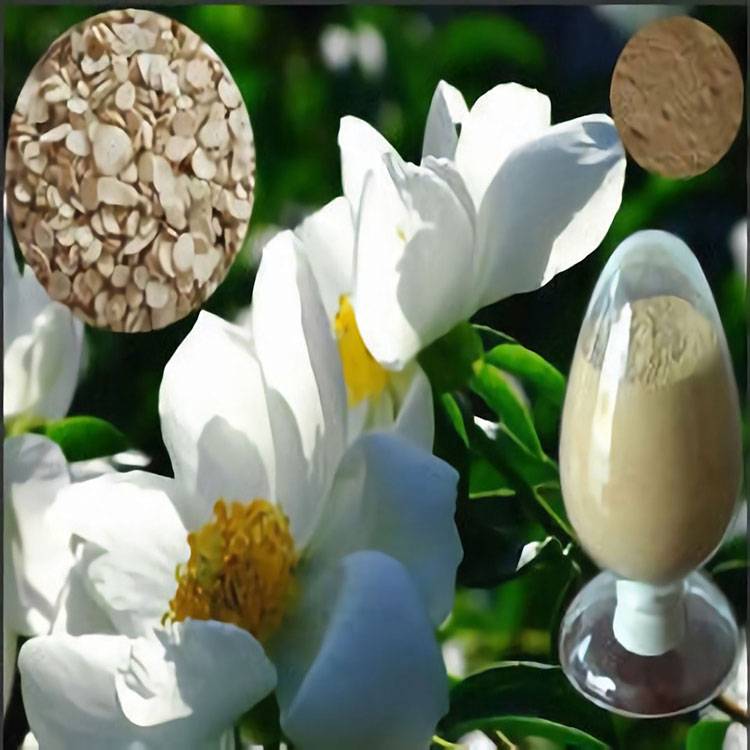
First off, what is rhodiola root powder? Derived from the Rhodiola rosea plant, this powder is prized for its adaptogenic properties, meaning it supposedly helps the body manage stress. But from my industrial perspective, it’s the sourcing, processing, and quality testing that really caught my attention — the kind of factors we all obsess over when it comes to reliable material inputs.
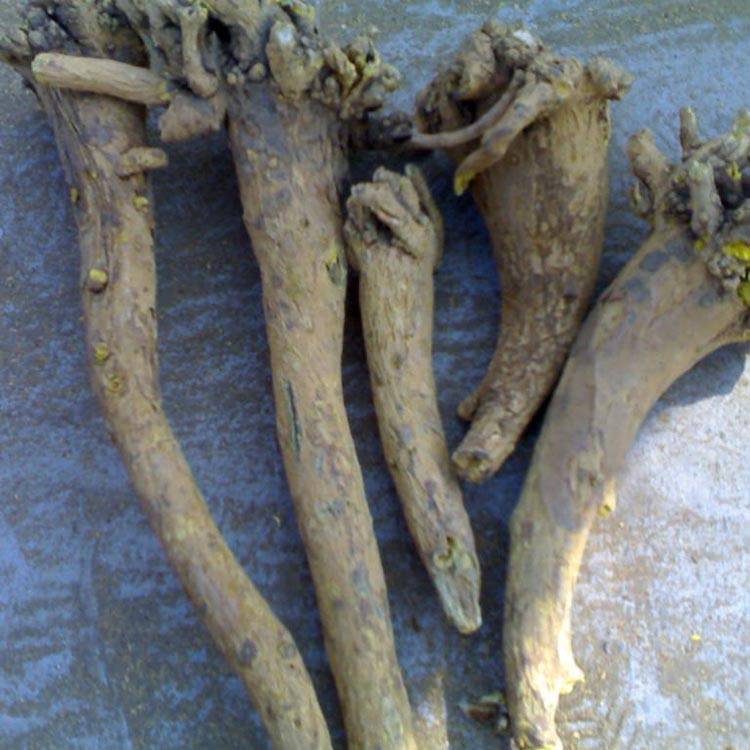
Processing rhodiola root powder involves drying and finely milling the roots harvested mostly from cold, mountainous regions. Quality control tests focus on active compounds like rosavin and salidroside, which give the powder its potency. Frankly, I noted that vendors who quantify these markers tend to offer more consistent batches, which matters a lot if you’re customizing blends or working on repeat formulations.
Speaking of vendors, not all rhodiola powders are created equally. Here’s a quick rundown of spec differences I’ve noticed among popular suppliers in the herbal production space, based on years of market watching and some hands-on sampling.
| Specification | Typical Range | Remarks |
|---|---|---|
| Rosavin Content | 3-5% | Key bioactive compound |
| Salidroside Content | 1-2% | Adaptogen marker |
| Moisture % | ≤ 8% | Affects shelf life |
| Particle Size | 80-120 mesh | For easy blending |
| Heavy Metals | Compliant with USP | Safety tested |
So yeah, the specs matter quite a bit. But maybe you’re wondering how different suppliers actually stack up in this niche market. I’ve tracked three reputable vendors — each with their own approach, shipping prowess, and batch consistency.
| Vendor | Rosavin % | Organic Certified | MOQ (kg) | Lead Time (days) |
|---|---|---|---|---|
| Alpine Herbs Ltd. | 4.5% | Yes | 10 | 14 |
| Forest Roots Co. | 3.8% | No | 5 | 10 |
| Nordic Botanicals | 5.0% | Yes | 20 | 21 |
Here’s a quick observation from those who’ve sourced from these vendors: Alpine Herbs offers a great balance between quality and MOQ, which lowers entry barriers for small batches—a real win for startups or smaller industrial blends. Nordic Botanicals ramps up purity and certification, perfect if you’re chasing top-tier credentials for premium products, although the lead times are longer.
I recall a client who was developing a stress relief supplement line. They switched to a vendor with verified rosavin content after inconsistent batches caused efficacy issues. That one decision improved their product stability immensely. It’s a reminder how these industrial details can make or break final user experience — even when the ingredient seems “natural.”
Ultimately, whether you’re in herbal supplement manufacturing, food tech, or niche industrial applications, understanding rhodiola root powder beyond the surface pays dividends. Knowing the specs, vendor profiles, and handling nuances helps avoid costly surprises and keeps your formulae genuine and effective.
If you want to dig deeper or check out quality suppliers yourself, rhodiola root powder is well worth a look. The market will only keep maturing as demand grows for adaptogens — so staying informed is key.
In short, rhodiola root powder isn’t just a commodity; it’s a crafted ingredient with stories to tell if you listen closely.
References: