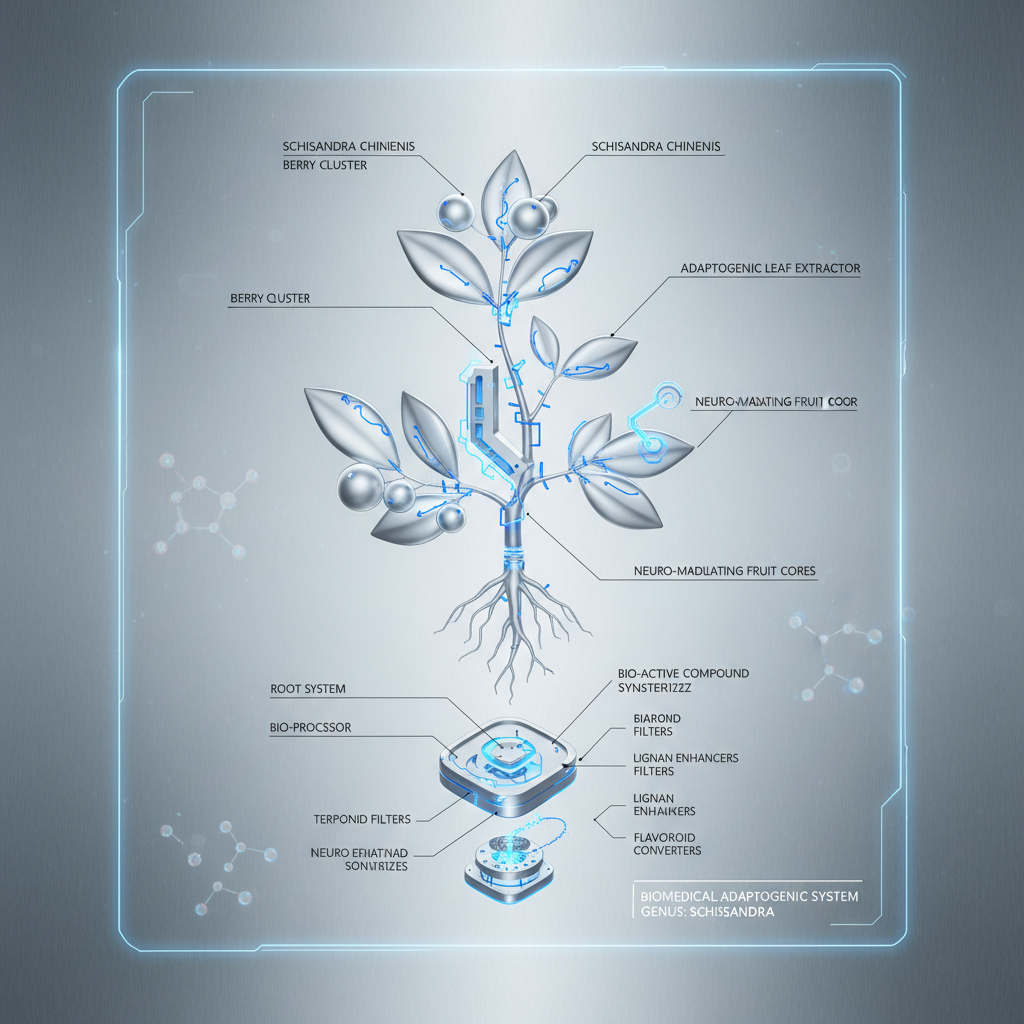

In the realm of herbal medicine, few plants offer as comprehensive a range of benefits as the planta schisandra. Known scientifically as Schisandra chinensis, this remarkable woody vine is celebrated for its "five-flavor" profile—salty, sweet, sour, pungent, and bitter—which traditionally represents its ability to affect all five organs of the body. Whether you are looking to enhance cognitive function, support liver health, or manage the physical toll of chronic stress, understanding the properties of this adaptogen is essential. In this guide, we explore why this plant remains a cornerstone of holistic wellness and how it can be integrated into a modern health regimen.

At its core, planta schisandra acts as an adaptogen, a unique class of herbs that help the body resist stressors of all kinds, whether physical, chemical, biological, or psychological. Unlike stimulants that provide a temporary spike in energy followed by a crash, Schisandra works by modulating the HPA (Hypothalamic-Pituitary-Adrenal) axis. This helps maintain homeostatic balance, allowing the body to remain resilient during periods of intense pressure. By reducing the production of cortisol and supporting the adrenal glands, it ensures that the user experiences a steady state of alertness and calm.
Quick Fact: The active compounds known as schisandrins are the primary lignans responsible for the plant's potent antioxidant and hepatoprotective effects.
Modern professionals often struggle with "brain fog" and mental fatigue. The use of planta schisandra has been shown to improve mental performance and endurance. By optimizing the use of oxygen and nutrients in the brain, it supports sustained concentration and memory retention. This makes it an ideal supplement for those engaged in high-stakes intellectual work or students during exam periods. Furthermore, it helps in mitigating the psychological effects of fatigue, ensuring that cognitive decline does not occur even after prolonged periods of exertion.
While many herbs claim adaptogenic properties, the planta schisandra offers a distinct advantage due to its dual action on both the central nervous system and the liver. While Panax Ginseng is often seen as more "stimulating" and Ashwagandha as more "sedating," Schisandra provides a balanced approach. It uplifts the spirit and sharpens the mind without causing jitters, while simultaneously protecting the body's detoxification pathways.
One of the most prized benefits of planta schisandra is its profound impact on liver function. The lignans found in the berries stimulate the production of liver enzymes and promote the regeneration of damaged liver cells. In a world filled with environmental pollutants and processed foods, supporting the liver's natural detoxification process is critical. Schisandra helps in protecting the liver from toxins and may assist in the management of chronic liver conditions by reducing inflammation and oxidative stress.
For those looking to incorporate this herb into their professional or personal wellness routine, it is important to understand the quality standards. High-grade planta schisandra extracts are standardized to ensure a consistent percentage of active lignans, ensuring efficacy across every dose.
Integrating planta schisandra into your health strategy offers a natural path to resilience. From its ability to sharpen the mind and shield the liver to its role as a powerful adaptogen, this plant bridges the gap between traditional wisdom and modern health needs. By choosing high-quality extracts, you can effectively manage stress and enhance your overall quality of life. Invest in your wellness today and discover the balanced energy that only nature can provide.
Unlike caffeine, which stimulates the central nervous system by blocking adenosine receptors—often leading to a "crash" and increased anxiety—planta schisandra is an adaptogen. It increases energy by improving the body's efficiency in using oxygen and nutrients and by balancing cortisol levels. This results in a more stable, sustainable level of alertness and physical endurance without the jitters or the subsequent energy drop associated with stimulants.
Yes, Schisandra is generally safe for long-term use as it works with the body's natural regulatory systems. However, like any potent botanical, it is recommended to follow the dosage guidelines provided by the manufacturer. Some practitioners suggest "cycling" adaptogens (e.g., taking them for 8-12 weeks and then taking a short break) to maintain optimal sensitivity. Always consult with a healthcare professional to ensure it does not interfere with any existing medications, particularly those affecting blood pressure or liver enzymes.
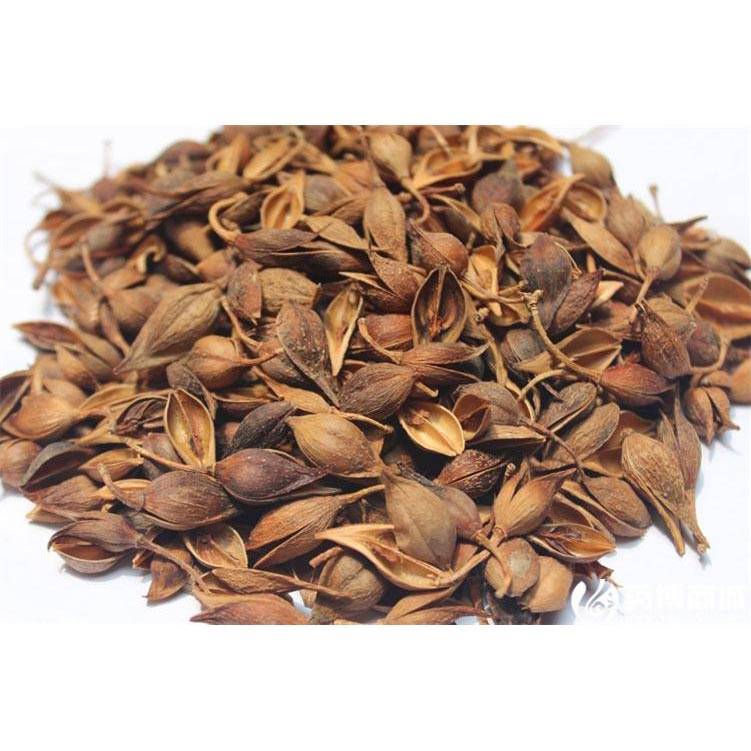
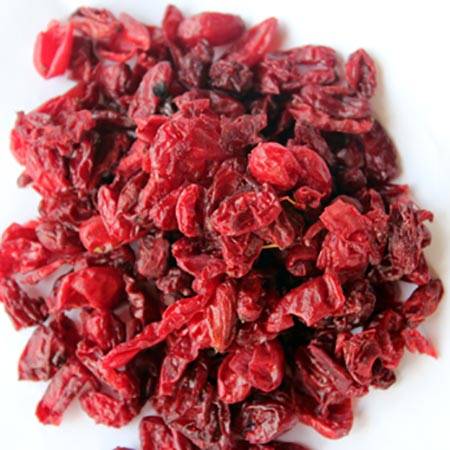
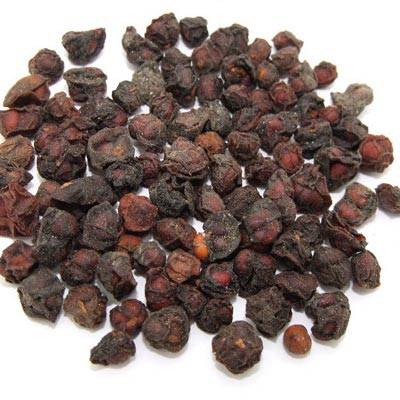
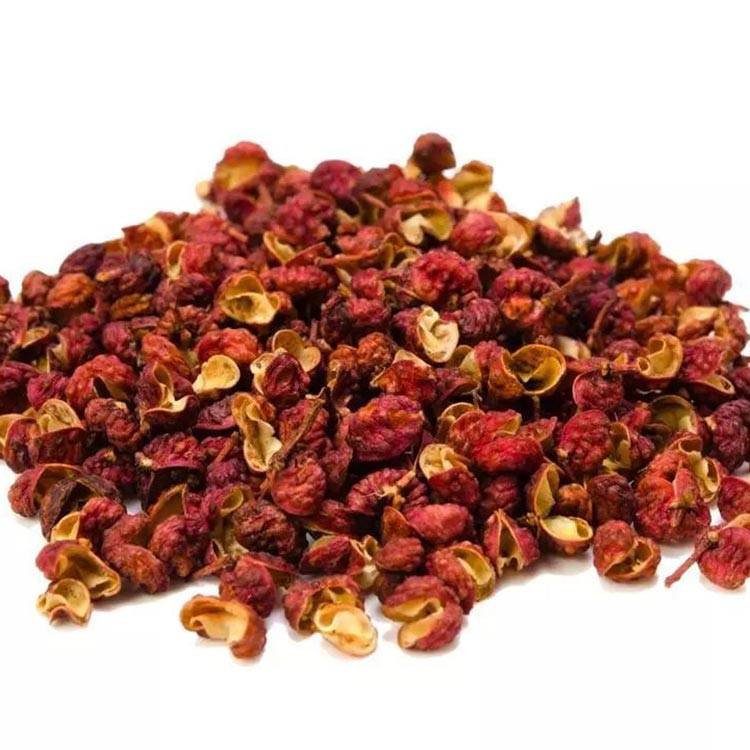
Planta schisandra is available in several forms. Dried berries can be steeped into a tea, though this provides a lower concentration of active lignans. For therapeutic results, standardized extracts in capsule or liquid form are preferred because they guarantee a specific potency of schisandrins. Liquid extracts are often absorbed more quickly, while capsules are convenient for daily maintenance. Choosing a reputable source ensures the product is free from contaminants and high in active compounds.
Absolutely. Many athletes use Schisandra to improve endurance and recovery. By optimizing the body's response to physical stress, it helps delay the onset of fatigue and improves muscle recovery times after intense workouts. Its ability to support the liver also helps in clearing metabolic waste products more efficiently. When used as part of a comprehensive nutrition plan, it supports both the physical capacity and the mental toughness required for high-level athletic competition.