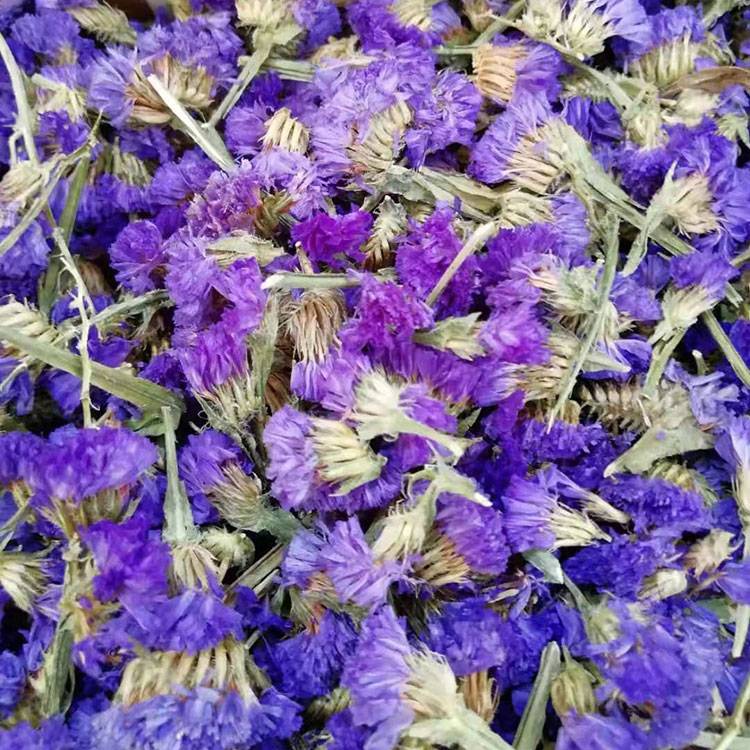
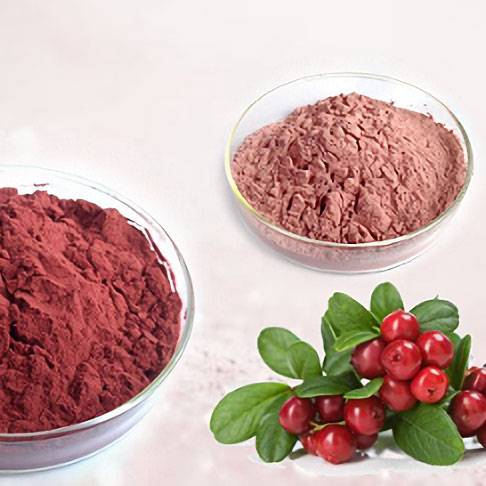
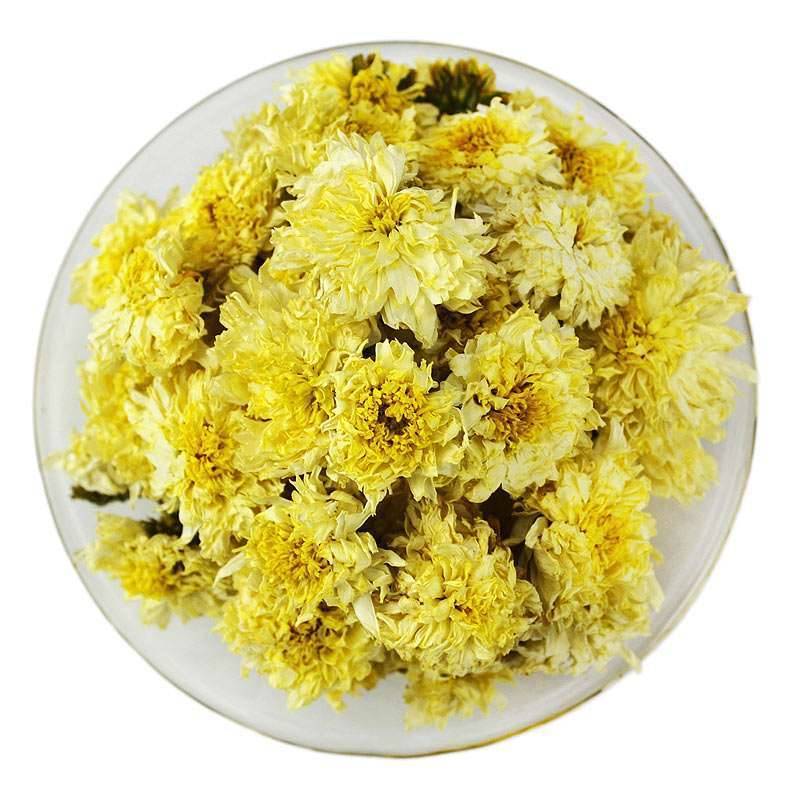
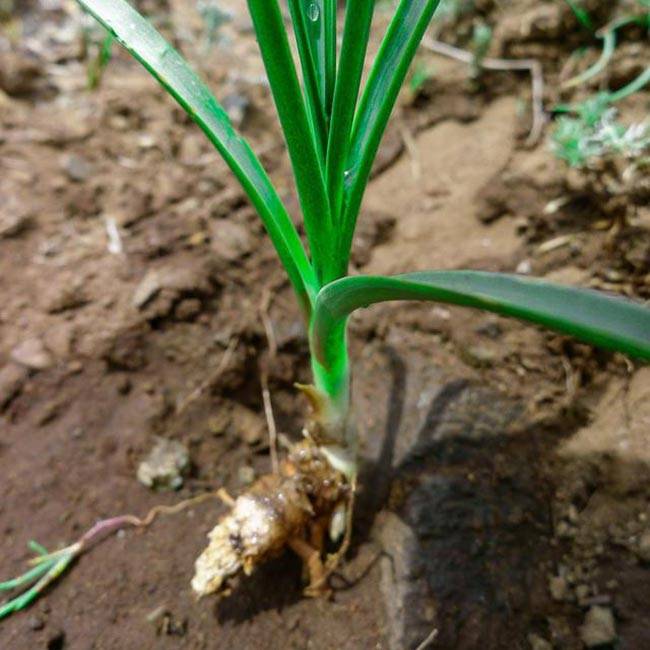
Egypt's unique arid climate and fertile Nile Delta provide a strategic advantage for cultivating diverse botanicals. However, the local processing of fruit flower tea has historically relied on traditional sun-drying methods, which often lead to inconsistent active ingredient retention and vulnerability to environmental contaminants.
In recent years, there has been a significant shift toward pharmaceutical-grade standardization. The Egyptian market is witnessing a surge in demand for "clean label" products, pushing manufacturers to move away from basic agriculture toward specialized pharmaceutical processing to produce high-purity mum tea.
Despite the potential, a gap remains in the adoption of advanced vacuum-drying and precise temperature control technologies. This technical void creates a critical need for professional TCM slice processing that meets international export standards while catering to the local preference for natural wellness.