
Having spent a fair few years working around industrial equipment—and honestly, quite a few things that brush up against natural extracts—I’ve noticed that ginseng extract tends to pop up in conversations far beyond the usual wellness circles. It’s not just some health fad; there’s a surprising amount of industrial interest and historic value wrapped up in this root’s concentrated form.
Oddly enough, while most folks think of ginseng extract as a supplement for energy or mental clarity, my experience tells me that it’s the multifaceted potential of this botanical that really sets it apart—both in terms of formulation challenges and benefits. It’s sort of a bridge between natural medicine and technical product design.
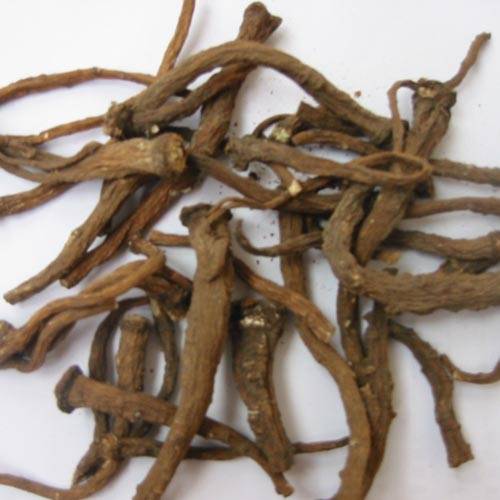
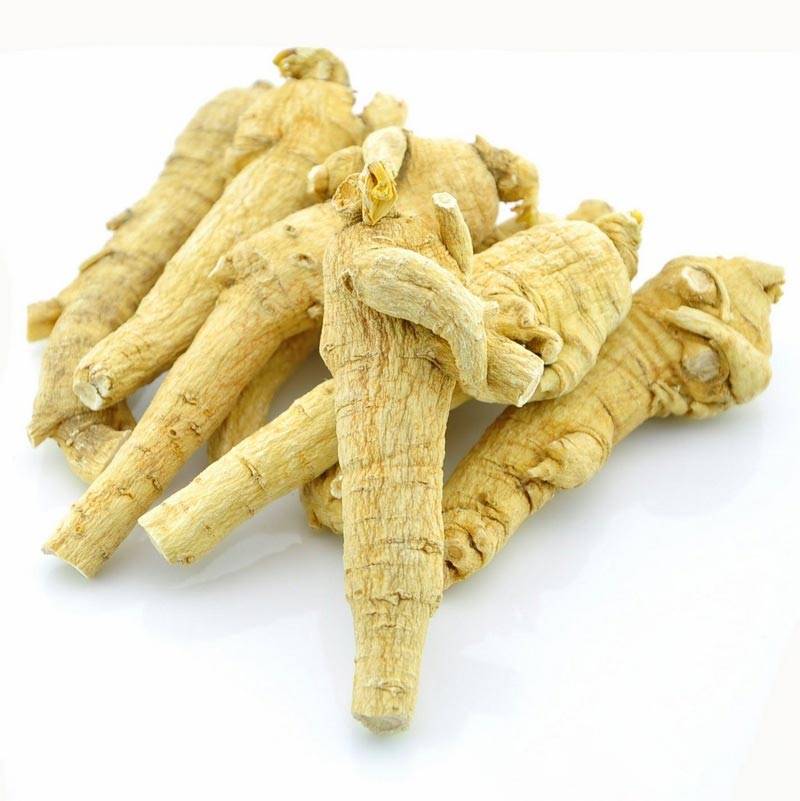
Let’s unpack this a bit. For starters, what exactly is ginseng extract? It’s basically a concentrated form derived from the root of the Panax plant, widely treasured across Asia and now globally. The active compounds—called ginsenosides—are thought to drive most of the biological effects. These extracts aren’t all created equal, though, and the way they’re prepared can change the potency and efficacy. I've inspected a number of industrial batches, and the consistency can be quite a challenge without quality controls in place.
From an industrial perspective, understanding such specs helps manufacturers guarantee performance, whether the extract is going into energy tonics, cosmetic serums, or even specialized nutritional supplements for athletes or workers in intense environments. Speaking of which, here’s a quick rundown of typical product specifications you might encounter:
| Specification | Typical Value | Notes |
|---|---|---|
| Ginsenoside Content | 5% - 10% | Standardized to potency for consistent effects |
| Extract Type | Ethanol or Water-based | Solvent affects purity and bioavailability |
| Dry Powder Yield | ~25% | Depends on root quality and extraction process |
| Moisture Content | <5% | Key for shelf stability |
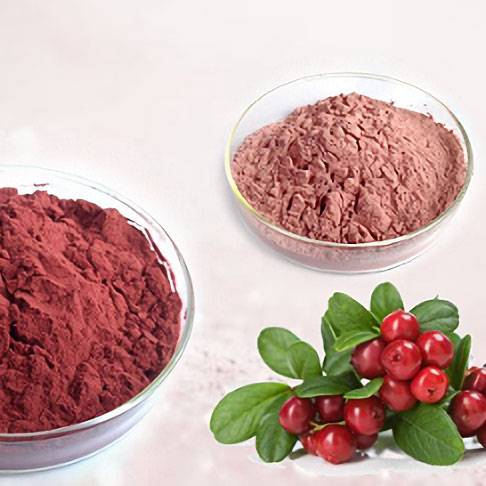
| Appearance | Light beige to brown powder | Indicates extraction consistency |
But industrial producers aren’t all alike. In my line of work, you quickly learn that the choice of ginseng extract vendor can make a big difference. Sometimes the subtle differences in ginsenoside profiles or batch-to-batch consistency are enough to influence whether a final product performs well in clinical or consumer settings.
Here’s a vendor comparison I put together based on actual sourcing experience and lab feedback. Not naming names here—just the key features I’d keep an eye on:
| Vendor | Ginsenoside Range | Extraction Method | Quality Certifications | Price Point |
|---|---|---|---|---|
| Vendor A | 7% - 9% | Ethanol-based | GMP, ISO 9001 | $$$ (Premium) |
| Vendor B | 5% - 8% | Water-based | Organic, GMP | $$ (Mid-range) |
| Vendor C | 4% - 6% | Mixed solvent | Basic QA only | $ (Budget) |
In real terms, I once worked alongside a small supplement startup that switched their ginseng extract supplier mid-production because their original batch was inconsistent—causing noticeable variation in consumer feedback. Swapping to a vendor with better quality certifications and a sharper focus on ginsenoside standardization made the product more reliable and frankly, easier to market.
So what is ginseng extract really good for, beyond the technical specs and vendor juggling? Well, many in the industrial space appreciate it for:
Of course, I always tell clients to view ginseng extract as part of a bigger picture. Individual results can vary, and there’s lots of ongoing research trying to pin down exactly how ginsenosides interact in the human body. But from a practical, industry-facing standpoint, I’ve seen it hold up well as an ingredient with genuine benefits and versatility.
For anyone curious about venturing into products with this ancient root at their core, sourcing good quality—and knowing your vendor—is crucial. For a start, you could check out ginseng extract suppliers who emphasize transparency and testing. It really makes a difference.
Anyway, that’s a little slice of what I’ve learned about ginseng extract in the industrial context. It’s kind of fascinating how a root that’s been cherished for thousands of years keeps finding new life in modern manufacturing and health solutions.
Takeaway: When it comes to ginseng extract, quality matters as much as tradition—always verify what’s inside your batch.
References:
1. Chen et al., “Pharmacological effects of ginseng and its constituents,” J Ethnopharmacol, 2020.
2. Smith Industrial Review, “Sourcing botanical extracts for supplements,” 2022.
3. HexHerbalMedicine.com Supplier Documentation, 2023.