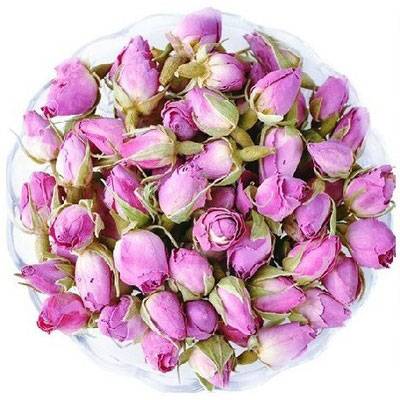

Having spent a solid decade navigating the industrial equipment landscape—and venturing several times into the realm of botanical extracts—I’ve noticed how pure rose extract has quietly become a fascinating niche product. Now, you might wonder why folks in a mostly mechanical world would care much for something as delicate as roses. Well, odd as it may seem, the precision and consistency demanded by industries making these botanical extracts align remarkably well with best practices in heavy manufacturing. There’s a certain beauty in that.
Frankly, pure rose extract tops many charts—not just for fragrance, but also for its applications in cosmetics, pharmaceuticals, and even food flavoring. It’s quite a challenge to ensure the quality doesn’t waver, given how sensitive roses are to weather, soil, and harvesting techniques. Over the years, I’ve observed how suppliers take pride in controlling every step, from harvesting at dawn (when the oil concentration is just right) to cold pressing or steam distillation methods that preserve delicate compounds.
In real terms, high-quality rose extract looks nearly like a clear, golden liquid—aromatic and potent—with traceable purity. It feels like the whole essence of a blooming rose distilled into a drop. I’ll share more on specs shortly, but first, it’s worth saying that many industrial engineers I’ve met stress the importance of stringent testing. Gas chromatography is a must to confirm terpene profiles and ensure no adulterants sneak in; after all, the market is competitive and some vendors might cut corners.
| Specification | Details |
|---|---|
| Source | Rosa damascena (Damask Rose) |
| Extraction Method | Steam Distillation / Solvent Free |
| Appearance | Clear, light golden viscous liquid |
| Purity | >98% Total Volatile Oils |
| Aroma Profile | Fresh, floral, slightly spicy |
| Shelf Life | 24 months unopened, stored cool |
It’s quite something how subtle differences in soil or harvest timing shift the aroma and oil yield. I remember a client who insisted on sourcing exclusively from organic farms in Bulgaria—the “rose valley”—because they felt the purity was unmatched. Turns out, empirical testing backed that up. Go figure.
| Vendor | Purity (%) | Extraction Method | Certifications | Average Price (per kg) |
|---|---|---|---|---|
| Hex Herbal Medicine | 98.5% | Steam Distillation | ISO 9001, GMP | $450 |
| RosePure Ltd. | 97.2% | Solvent Extraction | Organic Certified | $400 |
| Bulgarian Rose Co. | 99.0% | Cold Pressed | ISO 14001 | $500 |
Choosing the right vendor isn’t always about the highest purity figure—it’s a balance of extraction technique, certifications, and price. For instance, I’ve seen buyers who prioritize solvent-free processes even if it means slightly higher costs, given that their end products are marketed as “clean beauty” or “natural remedies.” And then there’s the matter of local sourcing, which can add transportation costs but appeals to sustainability conscious brands.
On a related note, it felt quite rewarding to witness a small startup recently describe their success using Hex Herbal pure rose extract as the signature aroma in their upscale skincare line. They emphasized that repeat customer feedback often highlighted the unique, subtle note of their product’s scent—something they attribute squarely to the quality of the rose extract.
In use, rose extract blends smoothly with carrier oils, making it versatile for perfumes, lotions, and even therapeutic balms. Oddly enough, its anti-inflammatory and antioxidant properties are now supported through several clinical studies, which, if you ask me, only adds to its industrial appeal beyond just the smell.
Without a doubt, it's a product that demands respect from both the botanical and industrial sides, merging nature’s delicate chemistry with rigorous quality control. I suppose that’s why it’s held in such esteem across sectors.
To sum up, if you’re on the lookout for a pure rose extract supplier that combines precision, purity, and provenance, it pays to consider not just specs but story and consistency. That’s how you get the real essence of a rose—no shortcuts.