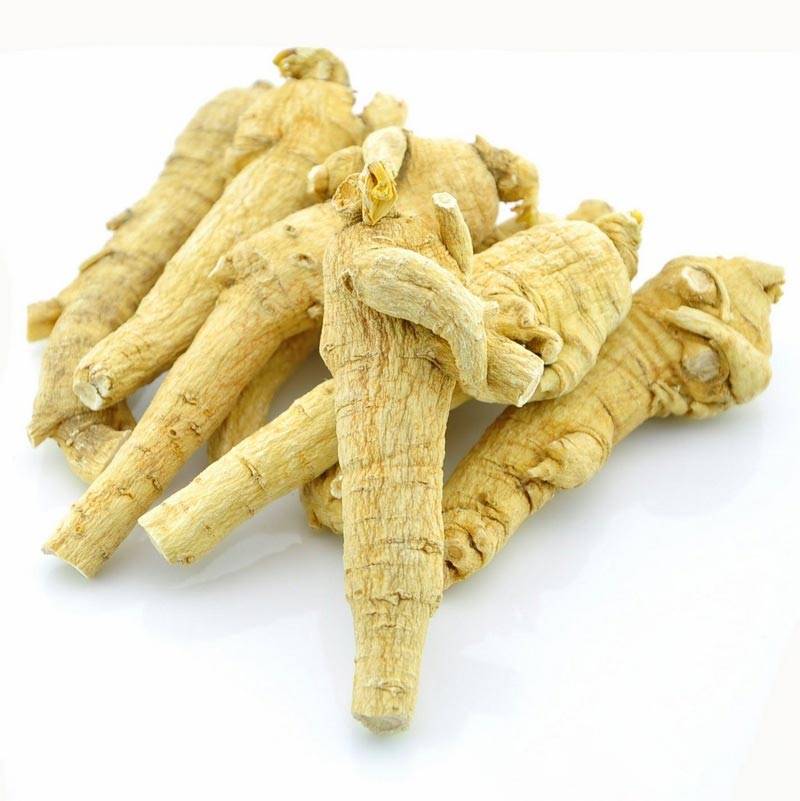

Having spent years sniffing around warehouses, factory floors, and sometimes even the odd herb processing plant, it’s always struck me how raw materials shape the backbone of countless industries. Siberian ginseng powder is one such material—often overlooked but quietly gaining serious traction.
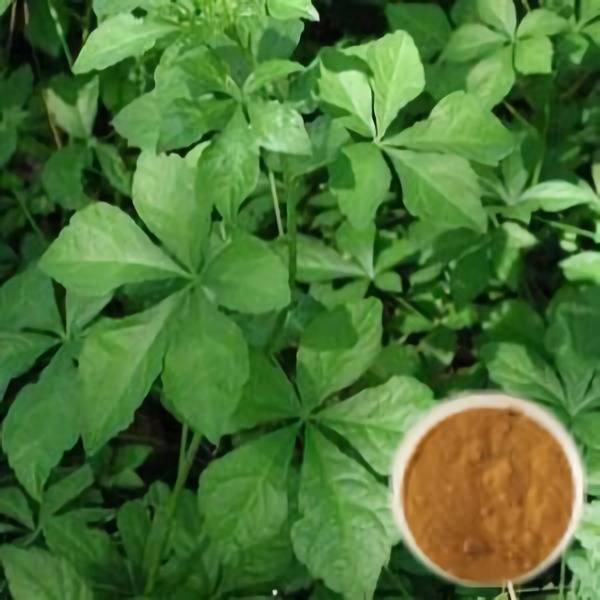
Now, I’m not selling magic beans here, but Siberian ginseng powder (or Eleutherococcus senticosus, to get technical) has a reputation that precedes it. Traditionally cherished in herbal medicine, lately it’s been carving out its niche for industrial supplements and wellness products, basically bridging raw botanical quality with manufacturing precision.
What I find fascinating is how the sourcing and processing impact what you actually get at the end of the day. Oddly enough, not every Siberian ginseng powder is created equal. A few years back, I witnessed firsthand how powders sourced from Siberia’s wild forests—as opposed to plantations—had noticeably different qualities, both in aroma and potency.
In real terms, here’s a quick glimpse at typical product specs you might find on a trusted batch:
| Specification | Typical Range |
|---|---|
| Purity (Eleutherosides content) | 0.8% – 1.2% |
| Moisture | < 8% |
| Particle Size | 80 – 120 mesh |
| Appearance | Light brown fine powder |
| Microbial Limit | Within USP standards |
As someone who’s worked with suppliers across Asia and Europe, I’ve seen quite a range of quality and consistency. Here’s a side-by-side comparison of a few typical vendors, just to give you a sense of what’s out there before you make a buying decision:
| Vendor | Purity (Eleutherosides) | Price/kg (USD) | Origin | Certifications |
|---|---|---|---|---|
| Hex Herbal Medicine | 1.1% | $45 | Siberia (wild) | GMP, ISO 22000 |
| Eastern Botanics | 0.9% | $38 | China (cultivated) | ISO 9001 |
| Northern Roots | 1.0% | $42 | Russia (wild) | GMP |
One small story I remember clearly: a client of mine in the nutraceutical sector was switching suppliers after inconsistent batches led to a few batch failures. We helped them test some Siberian ginseng powder from Hex Herbal Medicine—it was notably more consistent, the potency was there, and the traceability was spot on. They saw fewer production issues and even got a better end-user response, oddly enough. It goes to show that in this space, quality and reliability can’t be an afterthought.
Usage-wise, I often get asked about the best practices in integrating Siberian ginseng powder into formulations. My view is, always check for moisture content and particle size—both can impact mixing and shelf life. Plus, keep an eye on the extraction methods if you’re dealing with extracts instead of powder. And if you’re new to herbal powders, start small and test for stability under your specific conditions. It’s a world of difference from synthetic ingredients, trust me.
So, summing up my two cents: Siberian ginseng powder is more than just a trendy name. It’s a complex raw material that demands respect and a bit of savvy sourcing. In an industry where vendors, quality, and specs dance closely together, making an informed choice pays off — whether your focus is supplements, cosmetics, or specialized industrial uses.
At the end of the day, it feels like working with a partner who understands those nuances rather than just tossing you a batch is what really counts.
References: