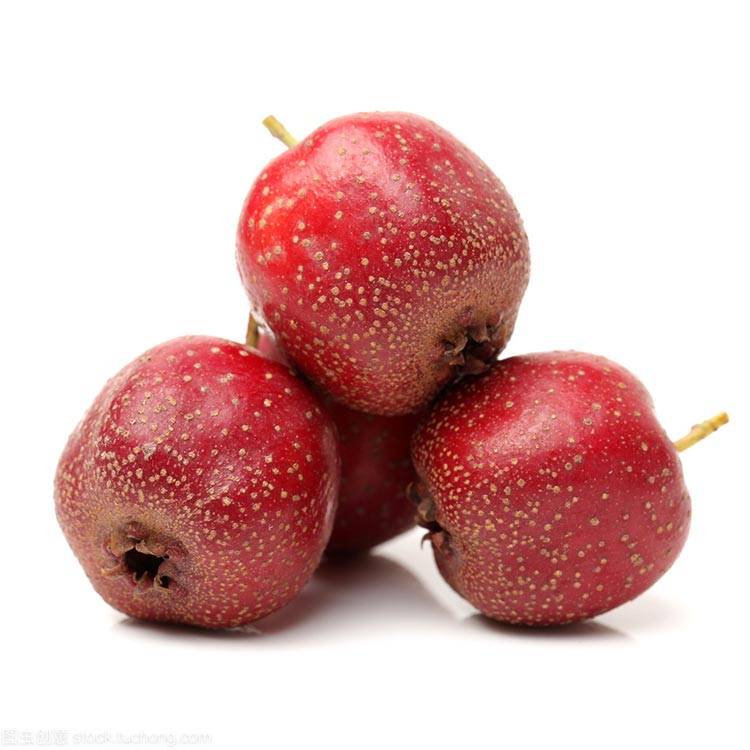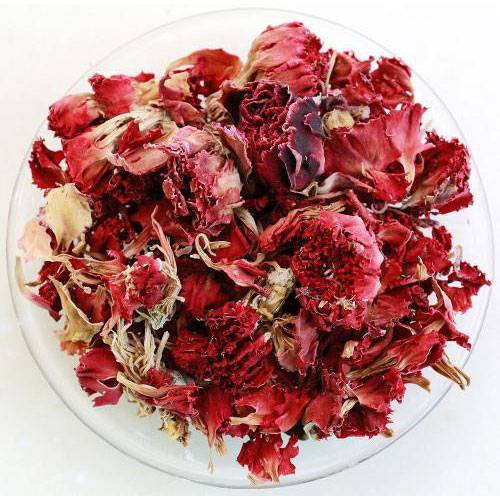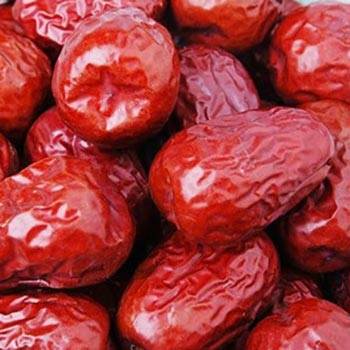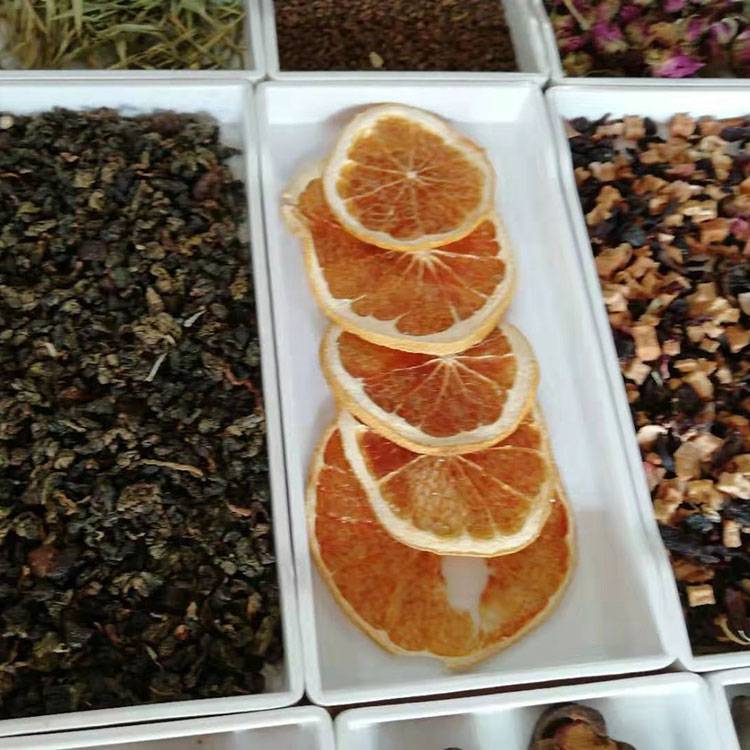

If you’re sizing up flower and fruit tea for retail, hospitality, or private label, here’s the candid download from a decade of supplier walk-throughs, QC audits, and, yes, too many tasting sessions. Short Description: a naturally caffeine-free blend of dried botanicals and fruits designed for hot infusions, cold brew, and mixology. It’s simple in concept, but the quality spread is huge.
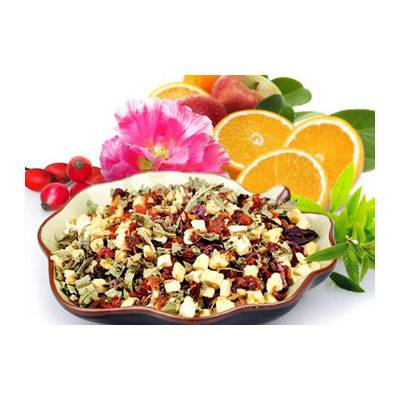
Demand for flower and fruit tea is quietly booming in wellness retail and boutique hotels—driven by caffeine-free menus, Instagram-friendly colors (thank hibiscus), and the shift to low-sugar hydration. Cold brew SKUs are growing faster than hot packs, surprisingly. Many customers say they want “clean label” and traceable sourcing; I guess QR-backed batch data is now table stakes.
| Product Name | Flower Fruit Tea |
| Origin | NO.12, XIJIAN STREET, SHIJIAZHUANG CITY, Hebei Province, China |
| Typical botanicals | Hibiscus, rose, apple, citrus peel, goji, osmanthus (blends vary) |
| Moisture | ≤ 12% (aw ≈ 0.55–0.60) |
| Micro (TPC/Yeast&Mold) | TPC ≤ 10⁵ cfu/g; Yeast & Mold ≤ 10³ cfu/g (real-world use may vary) |
| Heavy metals | Pb, Cd within GB 2762 limits |
| Pesticide residues | Compliant with GB 2763; COA per lot |
| Shelf life | 24 months in cool, dry storage; nitrogen-flushed packs recommended |
| Certifications | ISO 22000, HACCP; third-party testing available |
Materials: grade-A dried botanicals from vetted farms; Methods: low-temp dehydration (≤ 45–55°C), optical sorting, gentle blending, sieving to target cut-size, metal detection, nitrogen-flushed packaging. Testing standards: sensory panel, moisture/aw, pesticide residues (GB 2763), contaminants (GB 2762), micro plate counts, and random brew tests for color and Brix. Service life: ≈ 18–24 months if humidity stays under control.
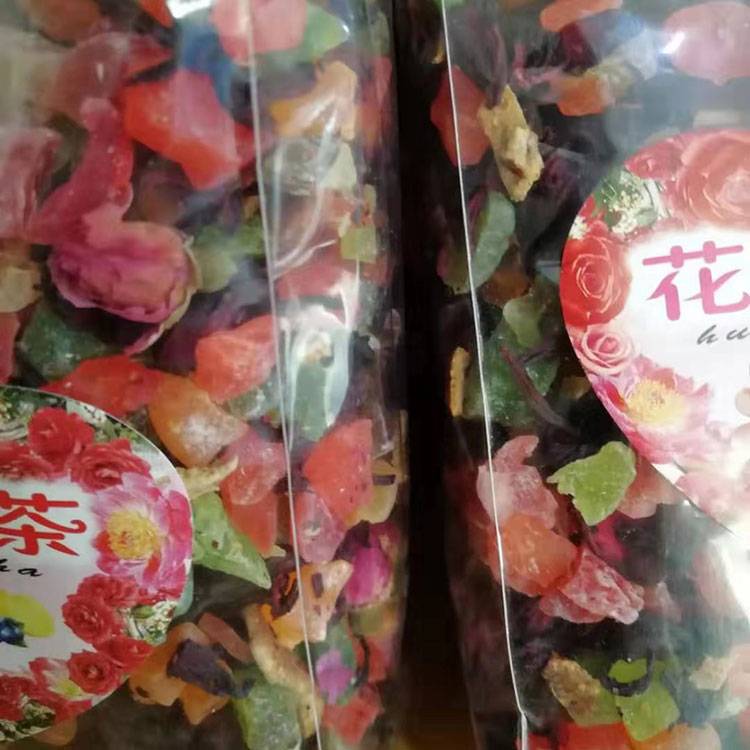
Benefits of quality flower and fruit tea: stable color, fast extraction (3–5 min hot, ~6–8 hrs cold), consistent cut-size, and—honestly—clean aroma without the “dusty” note you sometimes get from over-dried material.
| Vendor | Certs | MOQ | Lead Time | Customization |
|---|---|---|---|---|
| HEX Herbal Medicine (Hebei) | ISO 22000, HACCP | ≈ 100 kg/blend | 10–20 days | Blend, cut-size, private label |
| Supplier A (EU) | IFS, Organic options | ≈ 50 kg | 15–30 days | Premium botanicals, tins |
| Supplier B (SEA) | HACCP | ≥ 200 kg | 20–35 days | Budget blends |
Customization for flower and fruit tea typically includes sugar-free blends, botanical substitutions (e.g., osmanthus for jasmine), dye-free vivid color, and compostable sachets. Testing: request COA per lot, plus pesticide/metal data and micro. One buyer told me their cold brew yield went up 12% after switching to a tighter cut-size—small tweak, big savings.
Look for ISO 22000 certificates, HACCP plans aligned with Codex, and compliance to GB 2762/2763. If you sell in multiple markets, align labels with local caffeine-free/ingredient rules. And always do a pilot brew test—seems obvious, but you’d be surprised.