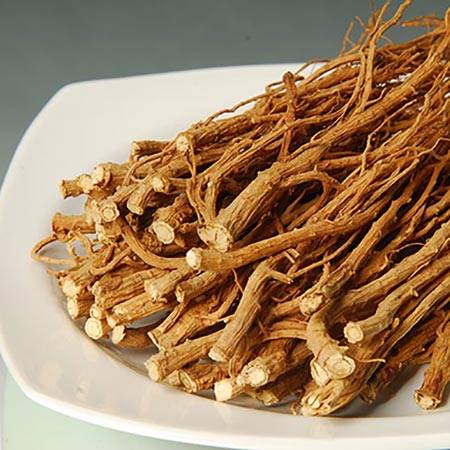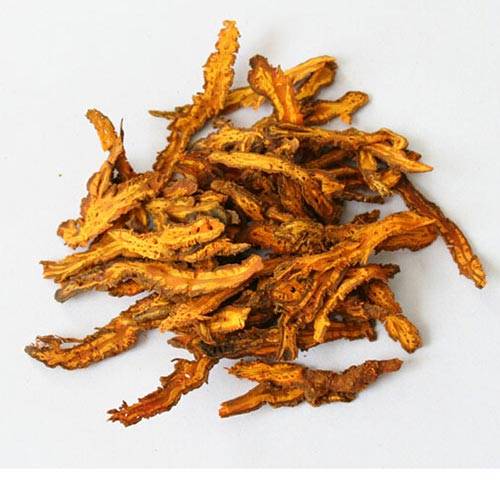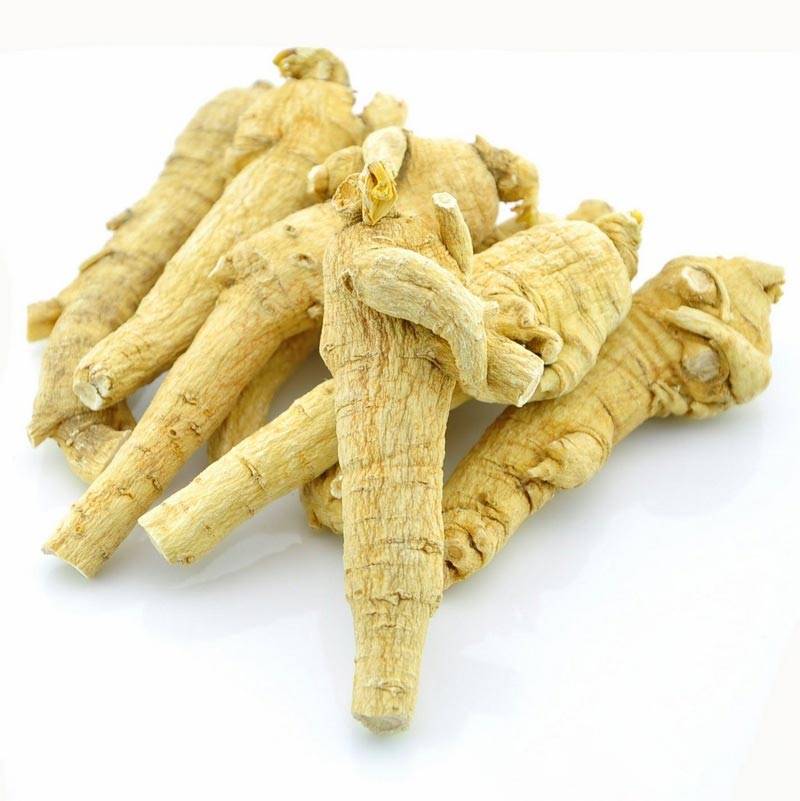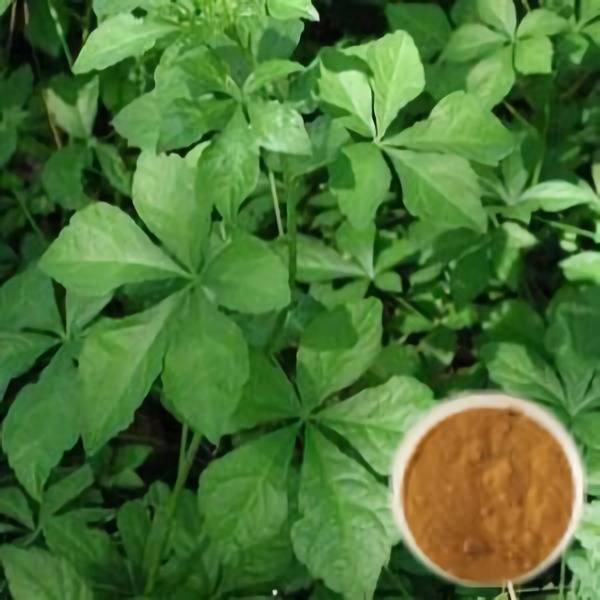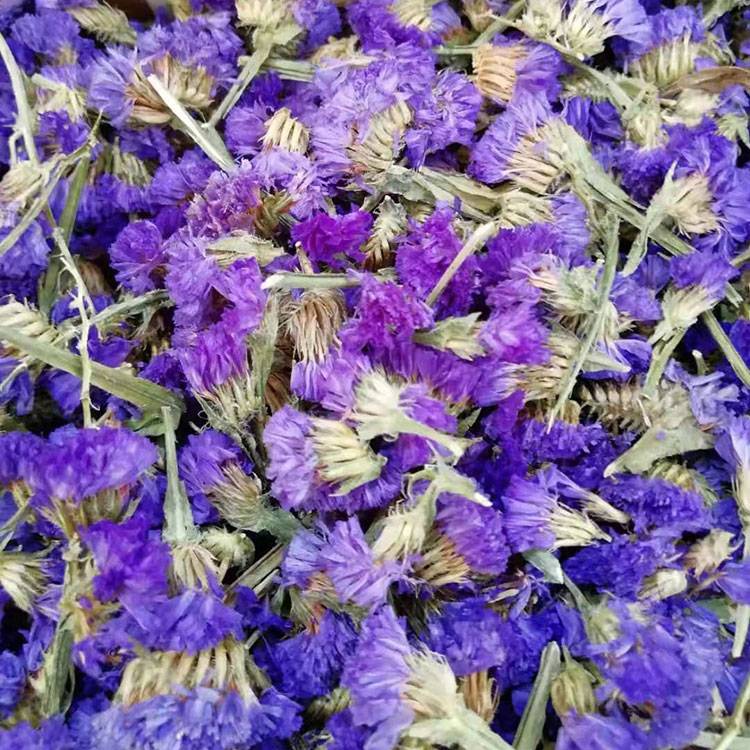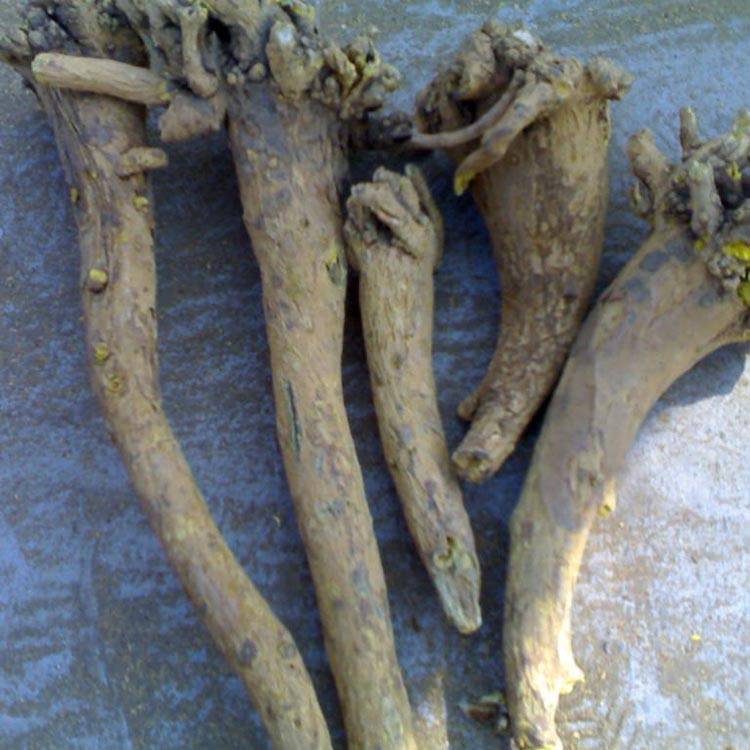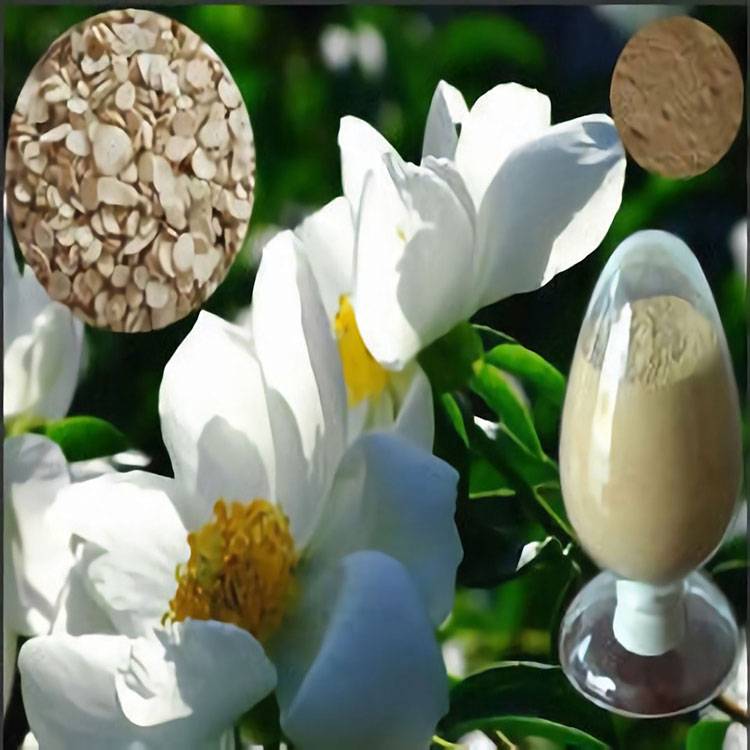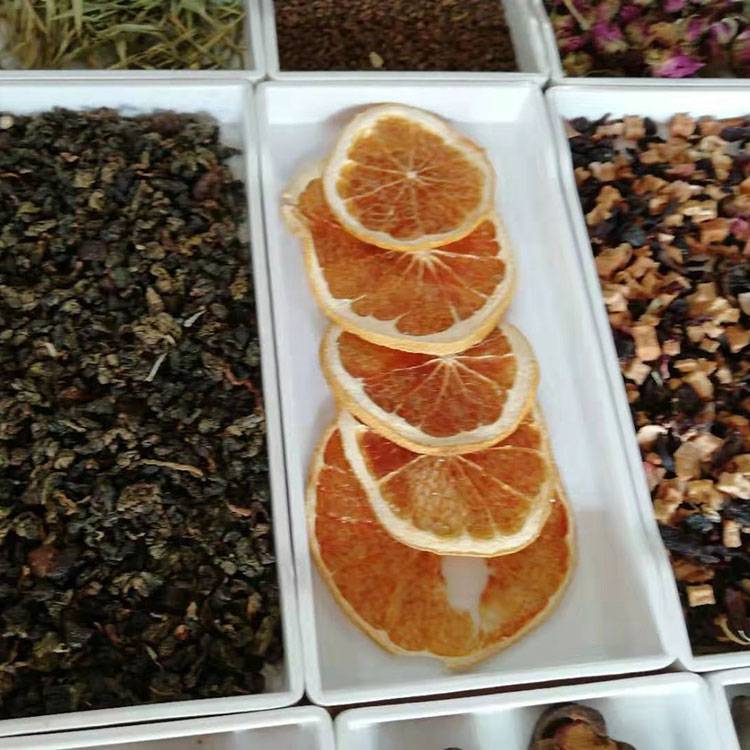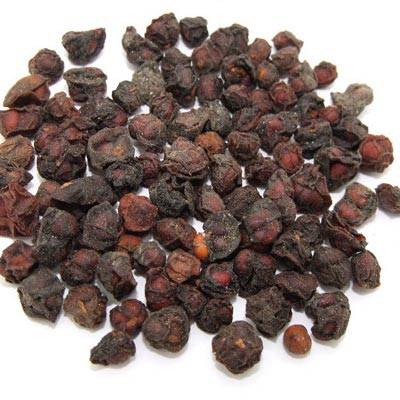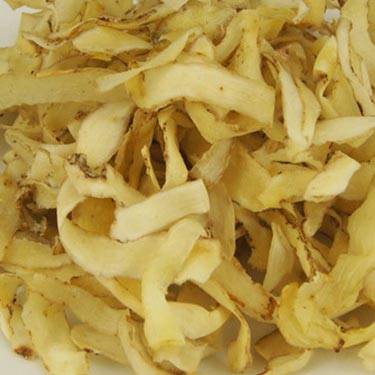

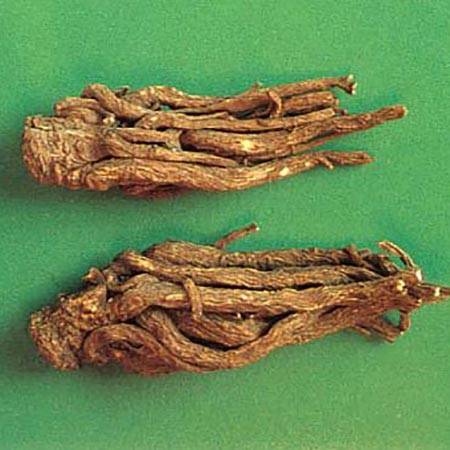
If you work in nutraceuticals, TCM, craft spirits, or even clean beauty, you’ve probably noticed angelica quietly trending up. To be honest, it’s not hype-only—the quality and traceability have improved, and the pricing is still sane (for now). Below I’ll map the key types of angelica you’ll meet on the market, how they’re made, and what buyers are actually checking before they sign POs.
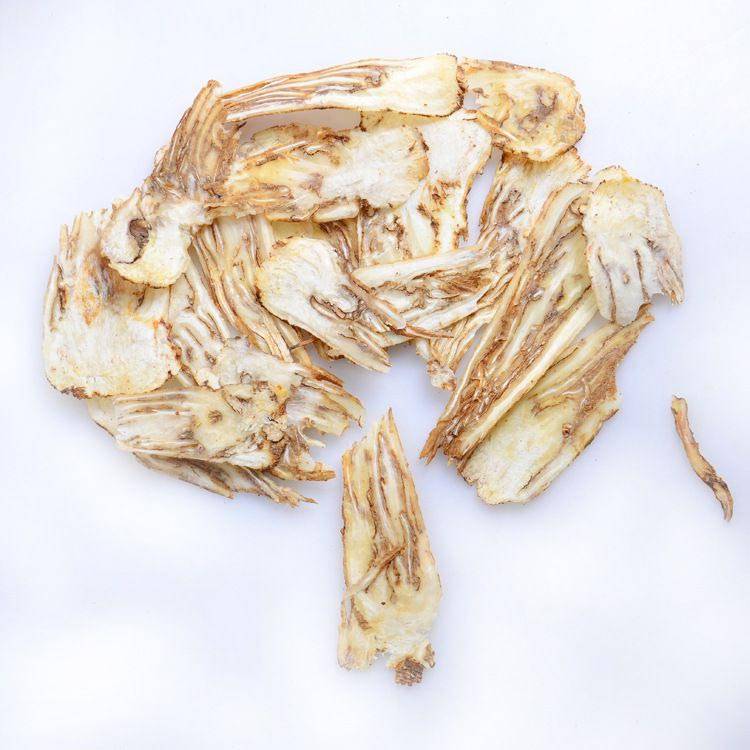
In practice, brands often blend types of angelica—extract from A. sinensis for actives, a touch of A. archangelica for aroma. It sounds fussy, but the sensory profile really matters for consumer perception.
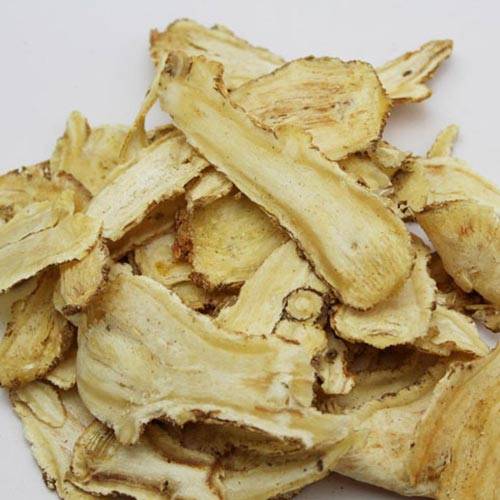
Origin matters. One long-time exporter at NO.12, XIJIAN STREET, SHIJIAZHUANG CITY, Hebei, China, walks me through their typical run: GAP-contracted farms → harvest roots in late autumn → washing, slicing (2–4 mm) → low-temp dehydration (≤55°C) → sulfur-free stabilization → milling or hydro‑ethanolic extraction (typically 50–70% EtOH) → QC release.
Testing: HPLC for ferulic acid; GC–MS for ligustilide/volatile oils; ICP‑MS for Pb/Cd/As/Hg; pesticide multi-residue per GB 2763; micro per ChP/USP (TPC, yeast/mold, E. coli, Salmonella). Shelf life is usually 24 months in cool, dry storage; real-world, we see 18–30 months depending on packaging and oil content.
| Parameter | Typical spec (≈ values; real-world may vary) |
|---|---|
| Appearance | Brownish slices or 80–120 mesh powder |
| Moisture | ≤10% |
| Ferulic acid (HPLC) | ≥0.3% (ChP 2020 basis) |
| Ligustilide (GC–MS) | 0.8–1.5% (aroma-rich lots toward the high end) |
| Heavy metals | Pb ≤3 ppm; Cd ≤1 ppm; As ≤2 ppm; Hg ≤0.1 ppm |
| Pesticides | Complies with GB 2763 / EU MRLs |
| Microbiology | TPC ≤10,000 cfu/g; Yeast/Mold ≤1,000 cfu/g; E. coli & Salmonella absent |
| Certifications | GMP, ISO 22000/HACCP; COA + HPLC/GC‑MS data |
| Packaging | 25 kg paper drums with inner food‑grade liner; lot‑level traceability |
| Vendor | Certs | Traceability | Lead time | Customization | Price |
|---|---|---|---|---|---|
| Hex Herbal Medicine (Hebei) | GMP, ISO 22000/HACCP | Farm→lot QR; field photos on request | 7–15 days | Mesh size, extract ratio, solvent | Mid |
| Vendor A (EU) | GMP, Organic | Batch docs + EU MRL focus | 10–20 days | Organic-certified lines | High |
| Vendor B (US) | cGMP, FSMA | Supplier verification heavy | In‑stock SKUs | Private‑label support | Upper‑mid |
Common requests: 40–200 mesh milling; solvent profile tweaks (ethanol/water); standardized ferulic acid ≥0.5%; ethanol‑free powders for certain markets. Buyers also ask for photodocumentation of incoming roots—simple but effective against adulteration across types of angelica.
For due diligence, align specs to Chinese Pharmacopoeia (2020) for A. sinensis, relevant USP/EP monographs, and document HACCP/ISO 22000. For cosmetics, run phototoxicity and IFRA checks when aroma fractions are high. It seems basic, but auditors will ask.