
Rhodiola rhodiola rosea root extract is increasingly grabbing attention worldwide—not just among herbal enthusiasts but also in scientific, industrial, and health sectors. But why does this botanical extract matter on a global scale? Simply put, it offers multifaceted benefits ranging from stress relief in humans to potential applications in sustainable health solutions. In a world leaning ever more into natural alternatives and wellness, understanding this extract can unlock new opportunities for industries and individuals alike.
The global herbal supplements market is expected to exceed $130 billion by 2027, according to recent data from the United Nations Statistics Division. Within this surge, rhodiola rhodiola rosea root extract holds a unique spot due to its adaptogenic properties, which are believed to help the body resist physical, chemical, and biological stressors. Given rising stress statistics worldwide—the WHO estimates that depression and anxiety related illnesses cost the global economy over $1 trillion annually—such natural remedies become not just desirable but essential. Yet there’s a challenge: quality and standardization remain inconsistent across markets. This creates a barrier to widespread acceptance and adoption.
Mini takeaway: Rhodiola rosea root extract addresses a global need for accessible, natural stress management solutions but struggles against quality variability.
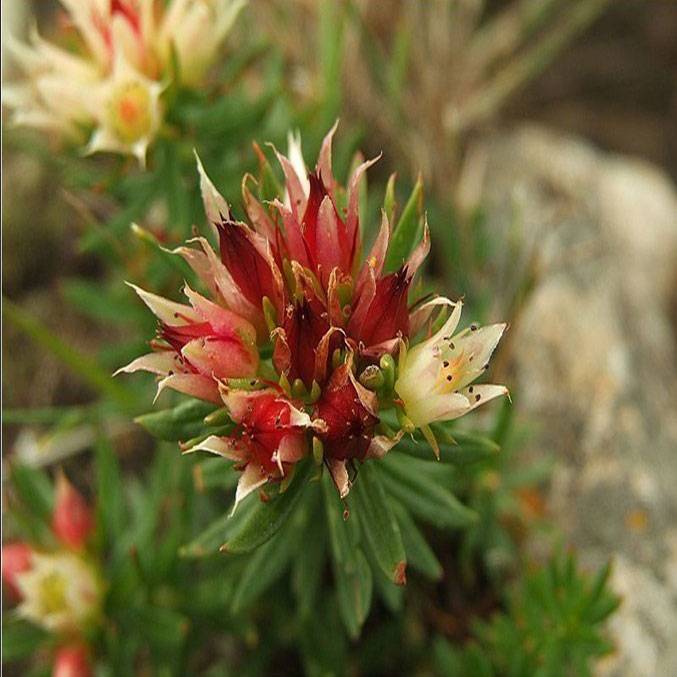
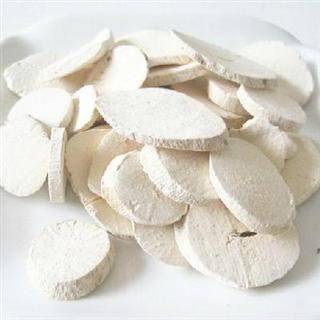
What exactly is rhodiola rhodiola rosea root extract? At its core, it's a concentrated preparation derived from the root of the Rhodiola rosea plant, a hardy perennial that grows mainly in cold regions like Siberia, the Arctic, and mountainous parts of Europe. Traditionally used in folk medicine, modern science recognizes it as an adaptogen—a substance that helps improve the body's resistance to stress, fatigue, and even improves cognitive function.
Industrially, the root extract has found footing in supplements, cosmetics, and even functional food products. Amid growing interest in sustainable, plant-based health aids, rhodiola's connection to resilience and vitality aligns well with global health and wellness trends.
The active compounds, such as rosavin, salidroside, and tyrosol, contribute to rhodiola’s adaptogenic effects. These substances modulate the stress response system, balancing cortisol levels pretty naturally.
Oxidative stress leads to many chronic illnesses. Rhodiola extract’s antioxidants ward off free radicals, supporting overall cellular health.
One tricky part: sourcing rhodiola with consistent active ingredient levels. ISO standards now exist but aren’t universally adopted, which affects reliability.
Rhodiola grows slowly and often in fragile environments. Ethical, sustainable wild-harvesting practices are crucial to prevent overexploitation.
How the body absorbs rhodiola compounds varies based on extraction process and formulation, influencing effectiveness.
| Specification | Typical Range/Value | Notes |
|---|---|---|
| Rosavins Content | 3% - 5% | Key adaptogenic marker |
| Salidroside Content | 1% - 2% | Active antioxidant compound |
| Moisture Content | ≤ 8% | Preserves shelf life |
| Particle Size | 95% through 80 mesh | Important for formulation |
It’s fascinating how rhodiola rhodiola rosea root extract finds uses across continents and industries. In Scandinavia and Russia, it’s almost a cultural staple, incorporated into supplements aimed at boosting endurance, especially in winter months when daylight and energy dip. Meanwhile, in North America and Europe, health companies feature it as a nootropic and immune support ingredient. Oddly enough, some high-altitude climbers and athletes swear by rhodiola for stamina and recovery.
Beyond individual health, organizations deploying humanitarian aid in cold, stress-heavy zones use rhodiola-adjacent herbal blends to support mental health among workers and displaced populations. Functional foods incorporating rhodiola extracts are also trending in wellness cafés and natural product stores globally.
Mini takeaway: Rhodiola rosea root extract bridges wellness, endurance, and social wellbeing across diverse real-world environments.
The future of rhodiola rhodiola rosea root extract looks promising, particularly with advances in extraction methods such as supercritical CO2 techniques improving purity and yield. Sustainable cultivation projects aim to reduce pressure on wild wildcrafting. Furthermore, digital supply chain monitoring ensures provenance accuracy, reducing counterfeits.
Innovations in bioavailability enhancements—for instance, liposomal encapsulation or nanotechnology—may make rhodiola compounds more absorbable and potent. Combined with growing public interest in green, plant-based products, we can expect rhodiola to become a staple ingredient across many supplement and functional food portfolios.
Quality inconsistency remains the biggest hurdle. The lack of uniform regulation causes confusion for buyers and sometimes misleading claims. However, partnerships between producers and certification bodies (like ISO, GMP) help raise standards. Also, educating consumers about verified sourcing and ingredient transparency is critical. Experts advise supporting brands that invest in third-party lab testing and robust traceability mechanisms.
| Vendor | Standardization % | Origin | Sustainability Certification | Price Range (per kg) |
|---|---|---|---|---|
| HerbalCo | 5% Rosavin, 1.5% Salidroside | Siberia | FairWild | $350–400 |
| Nature’s Essence | 4% Rosavin, 1% Salidroside | Nordic Countries | Organic Certified | $300–350 |
| VitalRoot Extracts | Standardized but no certification | China | None | $200–250 |
To wrap it up, rhodiola rhodiola rosea root extract stands as a prime example of nature’s synergy with modern wellness demands. Its diverse benefits—from stress mitigation to oxidative protection—and growing acceptance among industries underscore its rising importance. Yet, for all its promise, the real trick lies in ensuring quality and sustainability. If you’re curious to explore more about authentic, standardised rhodiola products, I definitely recommend visiting our website: https://www.hexherbalmedicine.com.
Oddly enough, sometimes the simplest ancient roots can yield the deepest modern insights...