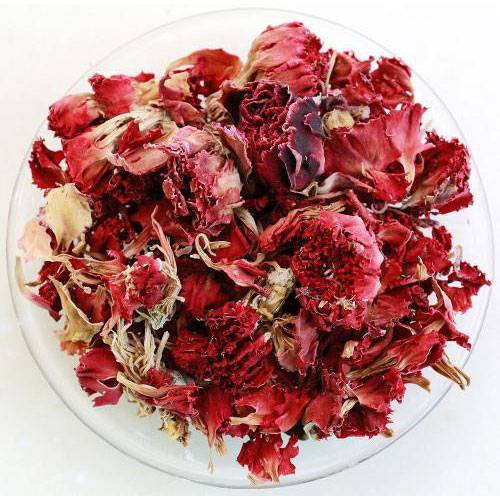

Snow chrysanthemum tea—an herbal infusion celebrated in parts of Asia for centuries—is more than just a soothing beverage. It’s quietly making waves globally due to its distinctive health properties and broad-ranging benefits. From its antioxidant-rich profile to its calming effects, understanding snow chrysanthemum tea benefits offers insight into how traditional herbal remedies find new life amid modern wellness trends.
Tea is, without question, one of the world’s most consumed beverages. According to the UN’s Food and Agriculture Organization, global tea consumption surpasses 5.8 million tonnes annually. But here’s the nuance—beyond black and green, herbal teas like snow chrysanthemum are gaining a foothold, especially among health-conscious consumers. The World Health Organization identifies rising chronic illnesses and lifestyle stress as key drivers pushing herbal wellness into the spotlight. So, why snow chrysanthemum? This flower boasts bioactive compounds that promise antioxidant, anti-inflammatory, and detoxifying effects—traits that align neatly with public health goals globally.
Yet obstacles remain. Misinformation and inconsistent product quality challenge wider adoption. That’s why understanding the snow chrysanthemum tea benefits is crucial—not just as a charming cultural artifact, but a pragmatic health tool in a complex world.
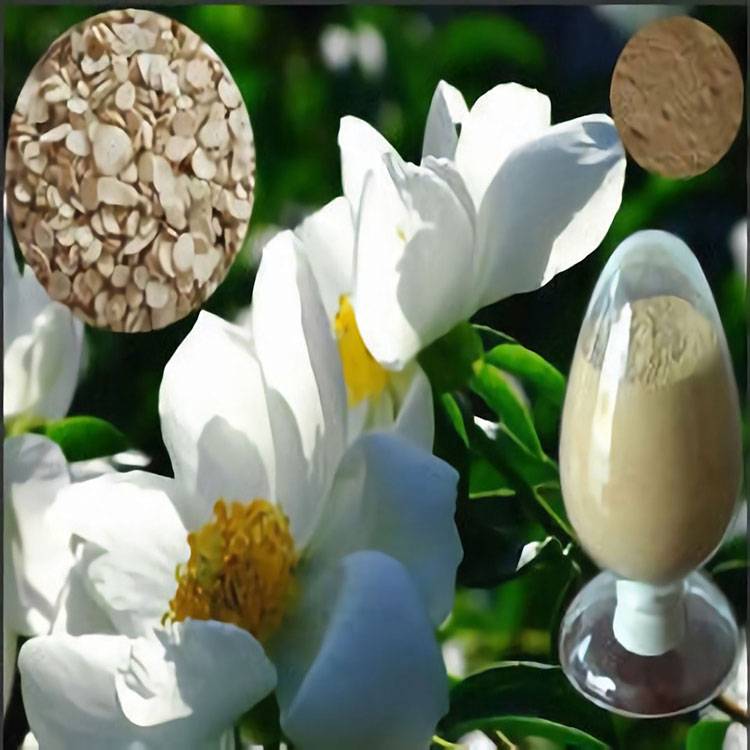
Put simply, snow chrysanthemum tea benefits describe the positive health and wellness effects attributed to consuming this herbal infusion made from Dendranthema zawadskii, a flower known for its resilience in cold climates—hence the “snow” prefix. Traditionally used in Chinese and Korean medicine, its benefits include soothing headaches, supporting immune function, reducing oxidative stress, and promoting skin health.
The tea’s growing popularity is tied to a modern understanding of plant-based nutrition and preventive healthcare. In essence, snow chrysanthemum bridges ancient wisdom and 21st-century needs, particularly in industries that value natural wellness solutions—from herbal supplement manufacturers to integrative health clinics.
One of the tea’s standout characteristics is its dense content of antioxidants, especially flavonoids and phenolic acids. These compounds help combat free radicals, molecules implicated in cell damage and aging. Some studies suggest this contributes to a lower risk of chronic diseases, including cardiovascular and neurodegenerative conditions.
Many consumers dealing with inflammation-related issues turn to snow chrysanthemum tea for relief. The extracts have demonstrated the potential to modulate inflammatory pathways, providing gentle but effective assistance in managing symptoms.
The tea is believed to facilitate immune response modulation, thanks to compounds that stimulate white blood cell activity. This can be especially beneficial during seasonal changes or periods of increased vulnerability.
In traditional contexts, snow chrysanthemum tea is often recommended to support liver health, aiding detoxification processes—a claim some preliminary clinical reports have started to support.
From a Traditional Chinese Medicine perspective, snow chrysanthemum is considered a “cooling” herb, used to alleviate heat-related discomforts and promote relaxation.
Whether for physical health or a moment of calm, the core components of snow chrysanthemum tea contribute multiple beneficial layers—making it more than just a drink, but a multi-functional wellness ally.
The tea is traditionally found in East Asia, but its health appeal is spreading globally. In China, Korea, and Japan, it's a staple in both daily life and medicinal uses. Beyond Asia, regions such as Europe and North America are beginning to embrace it, notably in health-conscious urban centers.
These diverse global uses highlight the tea’s versatility and well-earned reputation.
Snow chrysanthemum tea is not a niche anymore; its benefits have practical, scalable applications in health industries worldwide.
Think about this: by regularly drinking snow chrysanthemum tea, you gain antioxidant support, mild anti-inflammatory effects, liver protection, and a natural calming influence. Add sustainability into the mix—the plant thrives in mountainous, less arable lands, making its cultivation relatively eco-friendly compared to many crops.
The social impact is compelling too. In rural areas where the flower grows, harvesting and processing create local jobs and empower communities, which links health benefits with livelihoods—an underappreciated fact.
In real terms, snow chrysanthemum tea acts as both a soothing daily habit and a subtle protective shield against lifestyle ailments. Oddly enough, it feels like a tiny ritual that adds dignity and calm to busy modern lives.
| Specification | Details |
|---|---|
| Botanical Name | Dendranthema zawadskii |
| Flavonoid Content | > 2.5% (dry weight) |
| Caffeine | None (naturally caffeine-free) |
| Recommended Brewing Time | 5-7 minutes at 80°C |
| Packaging | Dried flower heads or tea bags |
| Sustainability Certifications | Organic (where applicable), fair-trade options |
| Vendor | Country of Origin | Organic Certification | Average Price (per 100g) | Key Differentiator |
|---|---|---|---|---|
| Herbal Natural Co. | China | Yes | $12 | Hunter-gathered wild flower |
| Mountain Bliss Organic | Korea | Yes | $15 | Certified fair trade and carbon neutral |
| Zen Herbals | Japan | No | $10 | Traditional artisan preparation |
Innovators and scientists are playing with snow chrysanthemum extracts, integrating them into supplements, skincare, and functional drinks. Digitally aided standardized cultivation methods promise consistent bioactive levels, which in turn ensures efficacy—a critical step for wider healthcare adoption.
Meanwhile, companies committed to sustainability aim to reduce environmental footprints via organic farming and fair trade. AI and blockchain are quietly entering the supply chain to guarantee authenticity for buyers worldwide.
So, despite all its virtues, snow chrysanthemum tea faces hurdles such as seasonal scarcity, quality variation, and limited consumer awareness in Western markets. To overcome these, some brands are partnering with local farmers to improve harvest cycles and processing training, enhancing overall product stability.
Also, clear labeling and certifications help buyers make informed choices, while educational campaigns spread the word about snow chrysanthemum tea benefits. Indeed, a little knowledge goes a long way...
So here’s the gist: snow chrysanthemum tea isn’t just a pretty flower to brew. It’s an herbal powerhouse with a pedigree in traditional medicine and growing recognition in the wellness industry. Its blend of antioxidants, calming effects, and practical health benefits make it well worth a spot in your tea cupboard.
If you want to explore this further, don’t hesitate to visit our website where we delve deeper into the snow chrysanthemum tea benefits and offer premium selections.
In a world rushing ahead, sometimes the best solution is to pause, sip, and let centuries of nature’s wisdom work its magic...
References: