
Having spent quite a few years working hands-on with industrial botanicals and natural extracts, I’ve seen how rosehip extract steadily carved a niche beyond just health food aisles—it’s fascinating how this stuff shows up in so many contexts.
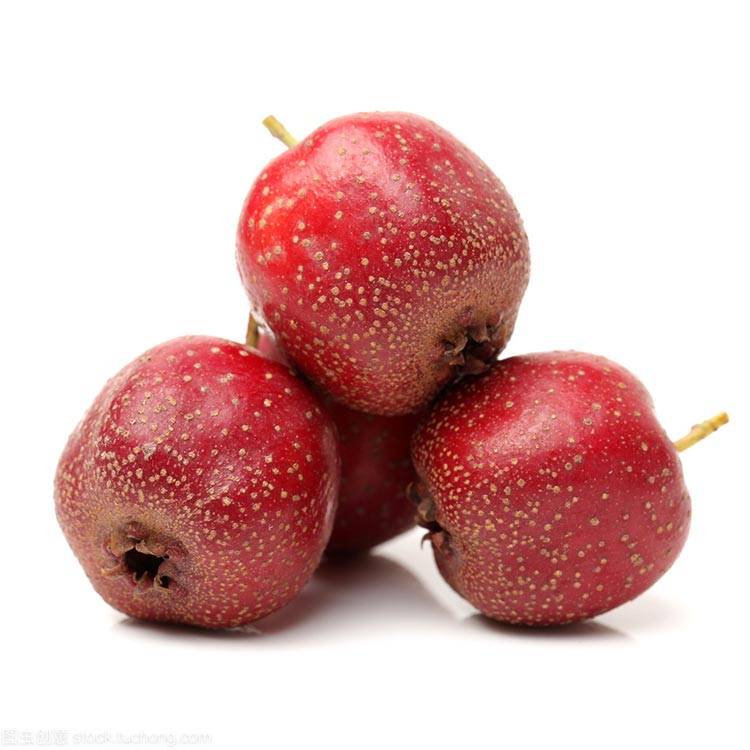
To start, rosehip extract is derived from the fruit of the Rosa canina plant — basically the wild rose. It’s rich in vitamin C, antioxidants, and a variety of polyphenols that make it prized for multiple uses. Frankly, I first encountered it in supplements, but oddly enough, its industrial and cosmetic applications are equally compelling.
Now, if you’re wondering what is rosehip extract used for, the short answer is: quite a bit, ranging from skincare formulations to dietary supplements, and even functional foods. Here’s why it matters in these fields.
In skin care, rosehip extract really stands out. The oil and extract form work as natural anti-inflammatories, antioxidants, and moisturizers. Plants with high vitamin C content like rosehip help combat oxidative stress, which is a big deal when you’re developing anti-aging or restorative creams.
From an industrial perspective, what intrigued me is how stable and consistent the extract’s composition can be—provided the sourcing and extraction are handled properly. Many formulators I’ve known say the key is in selecting quality raw materials and maintaining low-heat extraction techniques to preserve the bioactive compounds.
But it’s not just cosmetics. In the supplement sector, rosehip extract is popular for joint support, thanks to anti-inflammatory flavonoids. I remember a particular customer who specialized in sports nutrition talking about how their rosehip-infused product saw noticeably good adoption, especially among older athletes.
And in functional foods? Well, incorporating antioxidants like those found in rosehip extract helps brands tout extra health benefits. It’s also increasingly common to find it in beverages or snack bars targeting wellness-conscious consumers.
| Specification | Details |
|---|---|
| Source | Rosa canina fruits (wild rose hips) |
| Active Compounds | Vitamin C (10-25%), Polyphenols, Flavonoids, Tannins |
| Extraction Method | Cold pressed / solvent extraction (ethanol, water) |
| Appearance | Red-orange liquid or powder |
| Shelf Life | 12-24 months (proper storage) |
| Typical Uses | Supplements, cosmetics, functional foods, personal care |
| Vendor | Extraction Purity | Certifications | Price/kg ($) | MOQ (kg) | Lead Time (weeks) |
|---|---|---|---|---|---|
| HexHerbalMedicine | ≥95% Vitamin C | ISO, GMP, Organic | 45 | 50 | 3-4 |
| NatureExtracts Co. | 90-93% Vitamin C | GMP only | 40 | 100 | 4-6 |
| BotaniPure | 88-92% Vitamin C | ISO certified | 42 | 75 | 5-7 |
From what I’ve seen, working with suppliers like HexHerbalMedicine really eases several pain points: the consistent vitamin C content, certifications, and lead times all matter hugely when you’re scaling product development. Prices fluctuate, sure, but quality rarely takes a backseat for serious users.
To round it off, I suppose the takeaway is that rosehip extract is quite the versatile ingredient. It’s not just a marketing buzzword but a scientifically-backed, industrially feasible material with multiple use cases. Whether you’re formulating a soothing cream, making a joint health supplement, or even innovating in wellness foods, rosehip extract is worth considering—just pay close attention to source and quality.
References:
1. European Journal of Medicinal Plants, 2020 - Bioactive Compounds in Rosehip
2. Botanical Extracts Global Market Report 2023
3. Manufacturer data sheets and quality certificate reviews, 2023