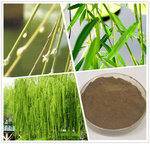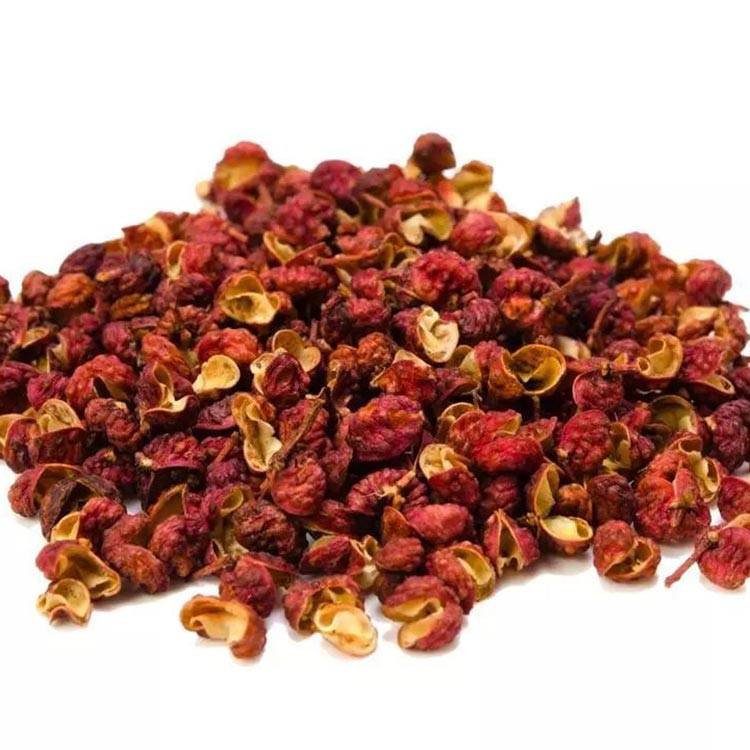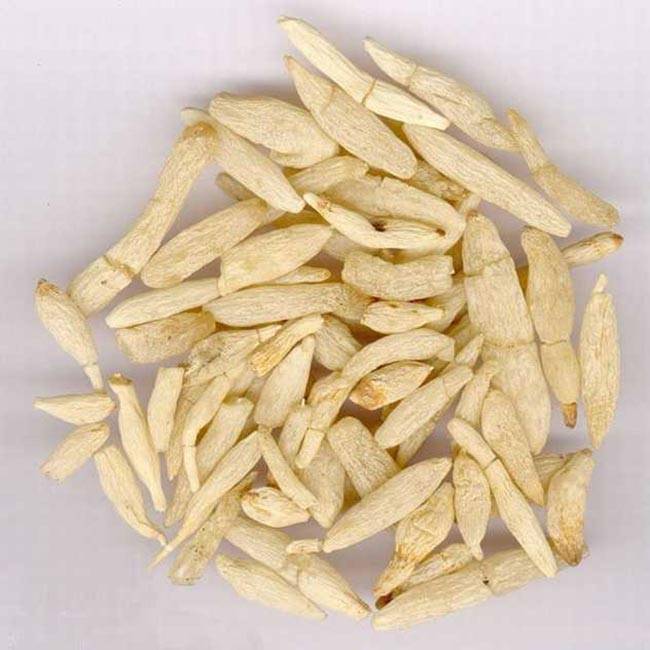

After spending close to two decades around industrial plants and herbal supplement production lines, I’ve seen how ingredients like rhodiola rosea root quietly earn their stripes beyond just botanical buzzwords. Oddly enough, it’s one of those herbs that feels both ancient and unexpectedly modern in terms of benefits. You know, when you get past the marketing gloss and look at what users and research say...
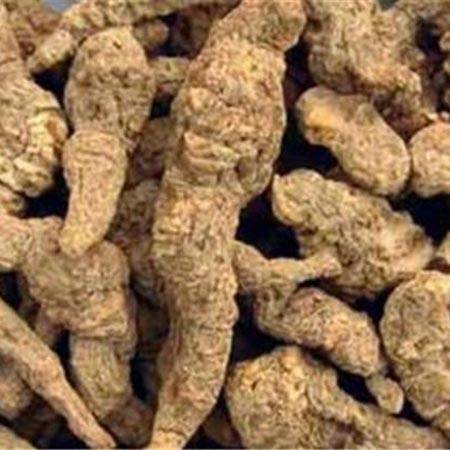
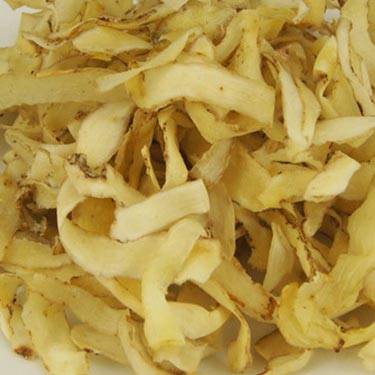
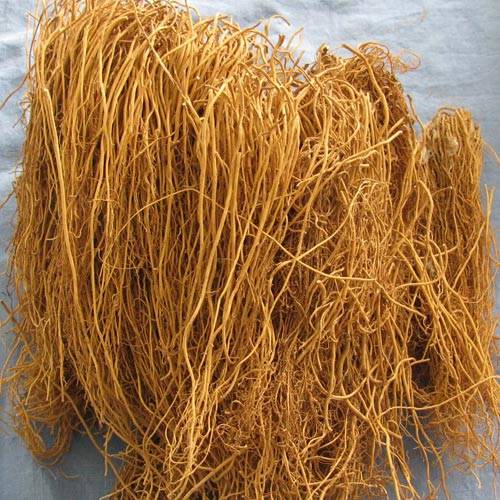
Rhodiola rosea, often called the “golden root” or “Arctic root,” thrives in harsh climates like Siberia and the Scandinavian mountains. This tough little root has a reputation for helping folks manage stress and fatigue — especially in demanding industrial environments where physical and mental endurance count for a lot. I remember one technician mentioning that it was like a “natural energy reset” during long, cold shifts.
In real terms, rhodiola rosea root is an adaptogen. That means it helps the body adapt to stressors, whether they’re environmental, physical, or mental. And yes, this is supported by several clinical trials indicating improved cognitive function and reduced fatigue under stress. But like many botanicals in our sector, quality and sourcing can vary—so it’s crucial to get the right strain and standardized extract.
| Rhodiola Rosea Root Product Specs | Details |
|---|---|
| Botanical Name | Rhodiola rosea |
| Active Compounds | Rosavin, Salidroside, Tyrosol |
| Extract Type | Standardized to 3% Rosavins and 1% Salidroside |
| Usage | Stress relief, mental focus, fatigue reduction |
| Dosage | Typically 200-600 mg daily |
Now, if you’re wondering how to tell one vendor’s rhodiola from another, well, that can get tricky. Many bulk suppliers source from Mongolia or Russia, but extraction methods and standardization differ — which honestly impacts efficacy. From my chats with herbalists and quality control managers, the best stuff combines traceable cold-extraction methods with a strong focus on consistent active markers (rosavins and salidroside).
| Vendor | Origin | Standardization | Extraction Method | Price per KG (Approx.) |
|---|---|---|---|---|
| HerbalSupply Co. | Siberia | 3% Rosavins / 1% Salidroside | Cold Extraction | $850 |
| NordicRoots Ltd. | Norway | 2.5% Rosavins / 0.8% Salidroside | Alcohol Extract | $900 |
| MongolHerbs | Mongolia | 3% Rosavins / 1.2% Salidroside | Cold Water Extraction | $800 |
From what I’ve gathered, sourcing rhodiola rosea root that’s well standardized makes a world of difference, especially if you’re formulating for stress and cognitive health products. You can’t just chuck in any powdered root and expect consistent results. Speaking of which, compliance with certifications (like GMP and ISO) should be on your checklist if reliability is your thing.
Interestingly, many engineers in plant operations (probably because they tend to appreciate practically proven solutions) have swapped coffee cups for rhodiola supplements on those tough days. It’s not magic, but it supports endurance much like well-tuned equipment — a little boost that keeps things humming smoothly.
If you’re curious to explore more, checking out quality sources and well-formulated supplements online can be a good starting point. For those in industrial or high-stress jobs, it’s worth a try — and speaking from experience, it has that subtle but noticeable edge over more generic herbs.
So, what is rhodiola rosea root good for? Stress management, fatigue relief, cognitive clarity, and overall resilience. It’s just one of those reliably solid natural allies that’s earned a lot of respect in both traditional herbalism and modern supplement industries.
By the way, if you want a dependable source, I’ve attached a link earlier to trusted rhodiola rosea root suppliers — a neat stop for quality and thorough info.
In conclusion: good rhodiola rosea root is a balance of tradition, science, and quality sourcing that keeps performance sharp — whether it’s in the factory or at your desk.
References: