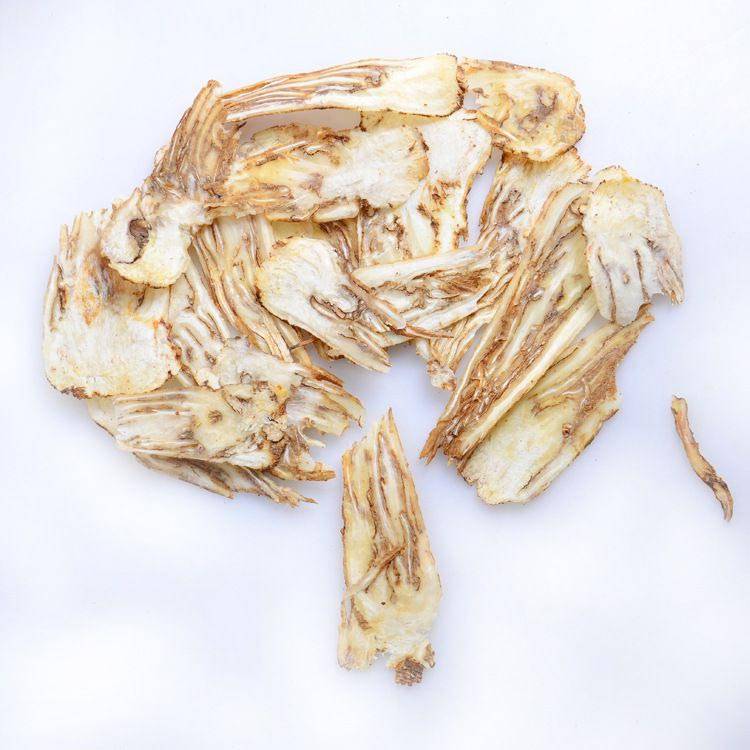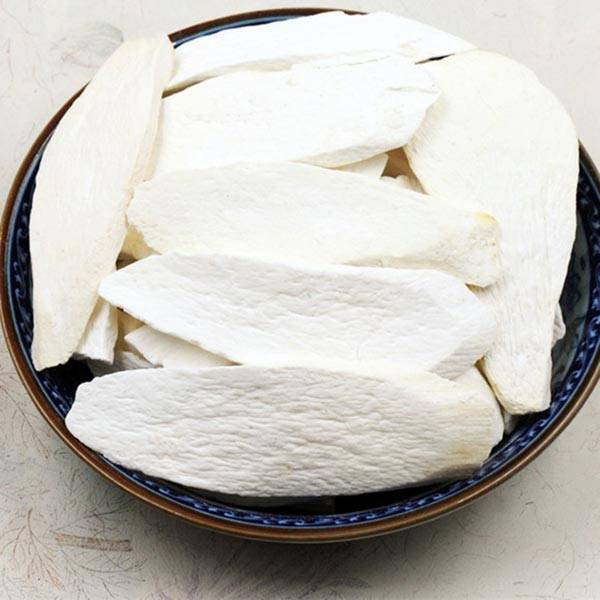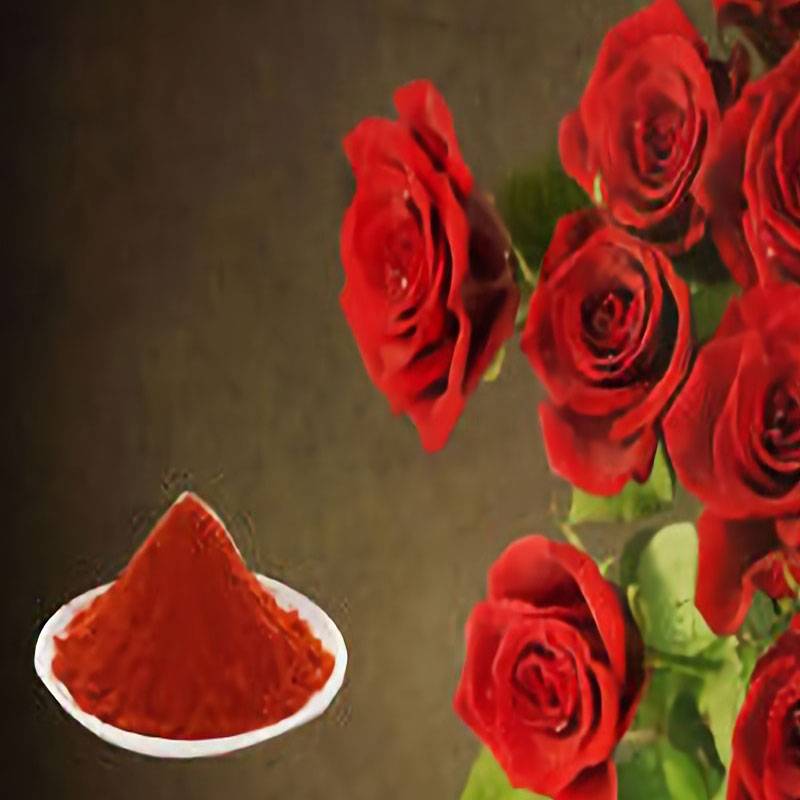

Having spent a good chunk of my career sourcing and evaluating natural extracts for industrial and supplement use, I can say that rhodiola extract often pops up as a remarkable blend of tradition and modern science. You know, it’s one of those products that’s both rooted in centuries-old herbal remedies yet still intrigues today’s formulators and product engineers. Oddly enough, the more I dug into the specs and benefits, the more I felt it was kind of misunderstood outside its immediate circle of health enthusiasts.
Now, rhodiola extract is typically prized for its adaptogenic properties — meaning it helps the body adapt to stress, whether that’s physiological or environmental. In industrial terms, this translates into a very stable product that can be integrated into a variety of formulations, from capsules to powders to functional beverages. A colleague once joked that it’s like the “Swiss Army knife” of herbal extracts because it offers multiple benefits instead of being a one-trick pony.
From a materials standpoint, it’s fascinating. The key active compounds, like rosavin, salidroside, and tyrosol, have to be carefully preserved during extraction to maintain efficacy. This means that extraction methods matter a lot — not just any solvent or temperature will do. In one recent batch I reviewed, the supplier used a standardized 3% rosavin content, which felt reassuringly consistent given the usual variability in natural products.
| Specification | Details |
|---|---|
| Active compound (rosavin) | 3% standardized |
| Extraction method | Ethanol-water solvent system |
| Physical form | Fine powder, light brown |
| Moisture content | <2% |
| Heavy metals | Within pharmacopeial limits |
Speaking frankly, the challenge with rhodiola and similar extracts is vendor variability. I once worked with a team that was caught off guard by differences in product performance simply due to batch-to-batch inconsistency. That’s why I lean heavily on vendors who provide transparent testing data and make the extraction process crystal clear. It really saves headaches down the road — especially when scaling production.
| Supplier | Standardization | Extraction Process | Third-Party Testing | MOQ (kg) |
|---|---|---|---|---|
| HerbalCo | 3% rosavin | Ethanol-water, low-temp | Yes | 50 |
| PureHerbs Ltd. | 2% rosavin | Hot water extraction | No | 25 |
| NatureLeaf Extracts | 3.5% rosavin | Supercritical CO2 | Yes | 100 |
A memorable moment from my time with rhodiola extracts was when a small supplement firm approached us. They’d struggled with inconsistent batches, which caused frustrated customers and even some returns. After switching to a more rigorously tested supplier, they noticed a clear spike in customer satisfaction. It’s those little stories that highlight what consistent quality means in the real world.
One advantage I’ve noted about rhodiola is its versatility. Aside from stress management, it’s often linked to boosting mental focus and endurance at a cellular level — though I’d say much of that relies on how pure and well-formulated the extract actually is. You can’t just add any old powder and hope for magic. As I’ve seen, a well-characterized ingredient can make or break a product’s reputation.
In conclusion, whether you’re in research, formulation, or just curious, rhodiola extract offers a credible, time-tested set of benefits — provided you choose the right variant and verify your supplier’s claims. It’s worth the effort, honestly. After years in industrial sourcing, I’d say this is a botanical that continues to earn its place, blending heritage with measurable quality.
So, if you ever find yourself looking into adaptogens, it might be worth exploring more about rhodiola extract — at least that’s been my take from the trenches.
Takeaway: In real terms, rhodiola’s value isn’t just in ancient stories but in consistent quality and verified benefits, as seen through industry eyes.
References: