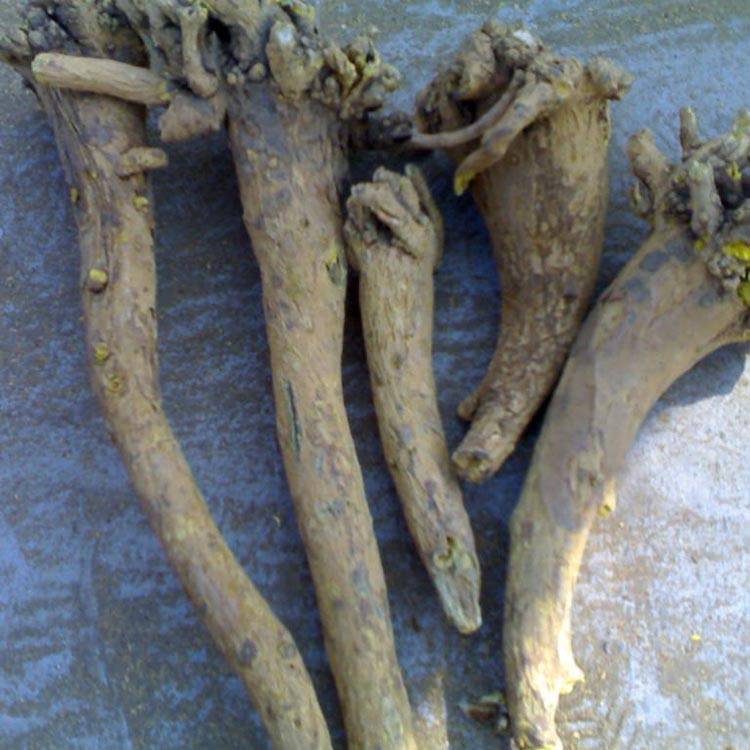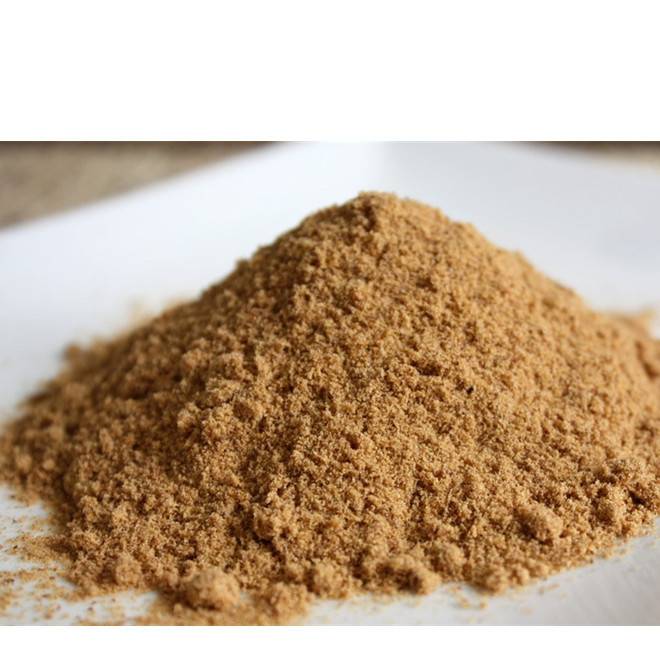

Having spent well over a decade navigating the nooks and crannies of industrial equipment supply chains, I’ve seen plenty of natural ingredients come in and out of favor. But organic white willow bark powder? That’s one product that’s quietly gained traction—not just for its historical roots in traditional medicine, but for how it fits into modern manufacturing, testing, and sourcing practices.
If you’re wondering why—as an industry insider—I keep an eye on something so botanical, the answer lies partly in the growing push for clean, plant-based raw materials. Organic white willow bark powder offers a neat bridge between nature and industrial application. Industries ranging from cosmetics to supplements rely on its standardization and consistent quality—attributes that, frankly, weren’t always guaranteed years ago.
It’s not just a trending herbal powder in wellness circles. Industrial buyers appreciate the fact that white willow bark is packed with salicin—a compound nature’s own version of aspirin. This means formulations get a natural anti-inflammatory component without synthetic additives, which is a huge win for product positioning.
From my experience, the key challenge has been ensuring traceability and purity. Since willow bark is collected from different regions, inconsistencies in active compound concentration can throw off batch testing. Luckily, suppliers who adhere to standardized organic farming methods and GMP (Good Manufacturing Practices) help keep those concerns at bay.
| Specification | Value | Test Method |
|---|---|---|
| Appearance | Finely ground beige powder | Visual & Microscopy |
| Salicin content | 5.0% - 7.0% | HPLC |
| Moisture | Max 10% | Loss on drying |
| Microbial limit | Within GMP standards | Microbial assay |
| Particle size | 95% through 80 mesh | Sieve analysis |
Over various contracts and tenders, I’ve seen four main suppliers standing out. Here’s a quick rundown comparing them based on price, certifications, and batch consistency—three parameters critical to industry folks:
| Vendor | Organic Certification | Typical Batch Purity (Salicin %) | Price per kg (USD) | Lead Time (days) |
|---|---|---|---|---|
| Hex Herbal Medicine | USDA Organic, EU Organic | 6.5% | $14.50 | 10-14 |
| GreenRoot Extracts | EU Organic only | 5.7% | $13.90 | 7-12 |
| NatureSource | Organic pending | 5.2% | $12.80 | 15-20 |
| PureHerb LLC | USDA Organic | 6.0% | $15.20 | 12-16 |
Oddly enough, one of the suppliers—Hex Herbal Medicine—caught my attention because they went beyond just meeting organic standards. I remember visiting a client’s factory where switching to their white willow bark powder led to fewer out-of-spec batches. The difference? Hex’s rigorous in-house testing and transparent sourcing from sustainably managed willow groves.
You know, it’s the kind of reliability that sometimes gets overlooked when everyone’s chasing novelty ingredients. But in real terms, consistent purity saves costly production delays and maintains brand reputation.
So, if you’re looking to incorporate a trustworthy, effective plant-based ingredient in your product lineup, organic white willow bark powder checks many of the boxes: sustainable farming, stable active content, and proven supply chain integrity. Frankly, as someone who’s been around the block a few times, that kind of assurance is gold.
A leaf from nature can sometimes provide the sharpest edge in industry.