
Organic dried rose buds have increasingly become something of a staple in natural wellness, culinary arts, and even the cosmetics industry. But what exactly are they, and why should anyone care beyond the niche of herbalists or chefs? Well, it’s more than just their delicate floral aroma or their pretty aesthetic; these buds represent a convergence of sustainable agriculture, traditional health practices, and modern-day consumer demand for natural, unadulterated products. Globally, their significance is growing—as consumers seek products that are both good for their bodies and the planet.
In essence, understanding organic dried rose buds isn't just about appreciating a fragrant flower—it's about recognizing a sustainable agricultural practice that supports biodiversity, empowers local farmers, and offers versatile benefits across cultures and industries.
The global organic rose market is expanding rapidly, with an estimated CAGR (Compound Annual Growth Rate) exceeding 8% driven by demand in Asia, Europe, and North America for organic and natural products. According to the Food and Agriculture Organization (FAO), roses cultivated organically reduce chemical inputs that harm both the environment and workers’ health. Meanwhile, the cosmetic and herbal tea industries are harnessing these buds’ natural antioxidants and aromatherapeutic qualities, fueling global trade valued at over $1 billion annually.
Yet, despite their benefits, challenges persist. Conventional rose farming often involves heavy pesticide use, which affects soil and water quality. Organic dried rose buds are the eco-friendly alternative—free from synthetic chemicals, harvested sustainably. This spotlight on 'clean sourcing' answers both health-conscious consumer demands and environmental imperatives.
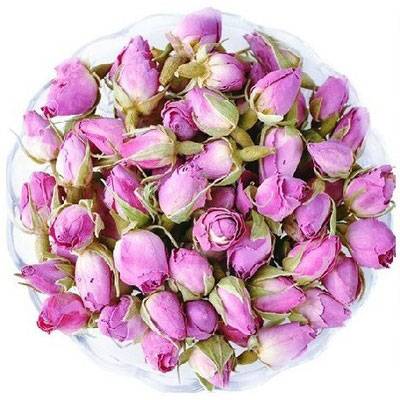
Simply put, organic dried rose buds are the unopened flowers of rose plants grown without synthetic fertilizers, herbicides, or pesticides. Once picked, these buds are carefully dried to preserve their shape, color, and essential oils. The “organic” certification guarantees adherence to strict agricultural standards—no GMOs, no chemical residues, and sustainable soil management.
On a more practical note, these buds are a staple ingredient in herbal teas, potpourris, skincare products, and even gourmet cooking—known for subtle flavors and therapeutic properties such as anti-inflammatory agents and mood-enhancing aromas.
The value lies in the purity: no synthetic pesticides means no chemical residues. This increases safety, especially in edible or topical uses.
Organic farming nurtures soil health and biodiversity, employing crop rotation and natural pest control methods.
Optimal drying preserves essential oils and prevents mold. Generally, moisture below 10% is desirable.
True organic dried rose buds retain bright color and a strong fragrance, key indicators of freshness and quality.
Certifications from bodies such as USDA Organic or EU Organic provide consumer trust and ensure transparency from farm to shelf.
It’s fascinating how diverse the uses of organic dried rose buds are worldwide. In the Middle East and parts of Asia, they’re steeped to make soothing teas, valued for digestive benefits. In Europe, especially France and Bulgaria, renowned producers craft rose water and oils for premium skincare lines and perfumes.
Moreover, organic dried rose buds have found their way into gourmet cooking—adding floral notes to sweets, syrups, and even savory dishes. In rural areas of developing countries, cultivating organic roses supports women-led cooperatives, promoting economic independence and sustainable livelihoods.
| Specification | Typical Value | Remarks |
|---|---|---|
| Moisture Content | ≤ 10% | Ensures shelf stability |
| Color | Bright Pink to Red | Indicates freshness |
| Organic Certification | USDA Organic, EU Organic | Third-party verified |
| Aroma | Sweet, floral, fresh | Essential oil retention |
| Shelf Life | 12-18 months | Stored in cool, dry place |
Frankly, there’s also an emotional benefit—using organic dried rose buds connects consumers to nature and tradition. It feels like a small act of care for oneself and the planet, which in today's fast-paced world is, I suppose, quite refreshing.
| Vendor | Origin | Certifications | Price/100g | Notes |
|---|---|---|---|---|
| RoseGardens Co. | Bulgaria | EU Organic, Fair Trade | $15 | Premium quality, eco-packaging |
| Himalayan Herbs Ltd. | Nepal | USDA Organic | $12 | Supports women farmers, direct trade |
| Eastern Blooms | Morocco | Organic Certified by COSMEBIO | $14 | Rich aroma, grows in arid climates |
Looking ahead, the trends in organic dried rose buds revolve around sustainability and innovation. For instance, farmers are experimenting with climate-smart agriculture practices to adapt to shifting weather patterns. Meanwhile, advances in drying technology (like solar tunnels and dehydration chambers) aim to better preserve the aroma and nutrient content.
Moreover, the integration of blockchain for traceability is gaining momentum—helping consumers verify the origin and organic status instantly. And in cosmetics, nanotechnology might soon enhance the delivery of rose extracts’ antioxidants, magnifying benefits without synthetic chemicals.
Organic dried rose buds come with hurdles, chiefly around yield limitations and higher labor costs compared to conventional roses. Weather dependence and the delicate nature of drying also add complexity.
However, community cooperatives and government subsidies can help organic farmers improve economies of scale. Innovative low-energy drying methods and better storage materials also reduce post-harvest loss, making organic options more affordable and accessible.
Organic dried rose buds are more than just a fragrant accessory—they symbolize a growing global movement toward sustainable, healthy, and equitable consumption. They connect us to nature, carry cultural heritage, and inspire innovation across food, health, and beauty sectors.
If you want to explore the finest, authentically sourced organic dried rose buds, visit our website for curated premium quality options: https://www.hexherbalmedicine.com
Taking a moment to connect with nature’s gentlest gifts feels particularly important these days, doesn’t it?
References: