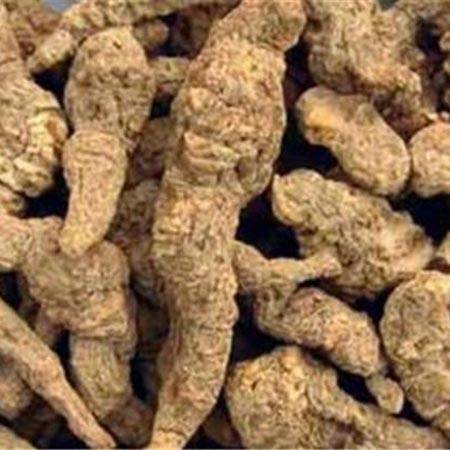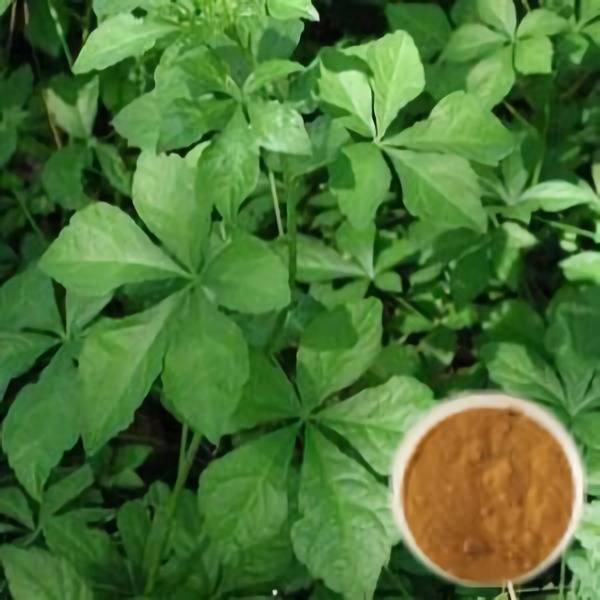

If you work with botanicals, you’ve heard the debates. Sourcing, assay methods, real berberine numbers, supply bumps in Sichuan vs. Hubei—been there. Here’s my short field report on huanglian that blends spec-sheet clarity with what buyers tell me off the record.
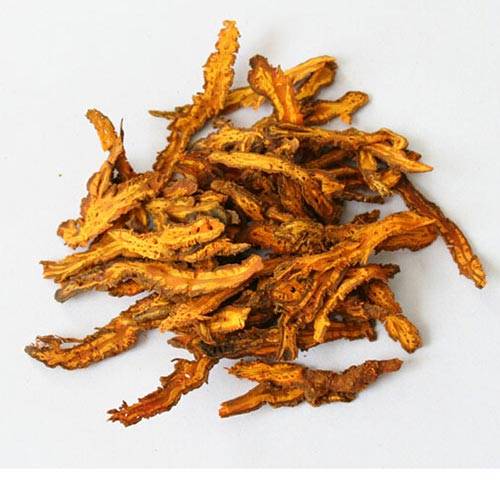
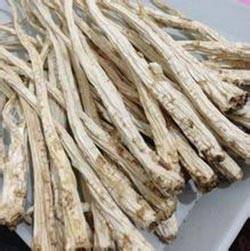
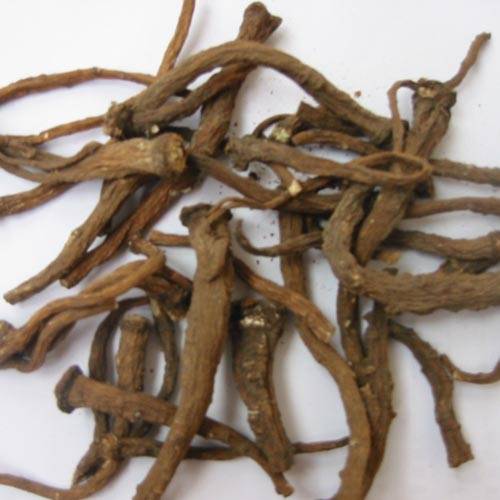
huanglian is Coptis rhizome—traditionally prized for its bright alkaloid profile (berberine, palmatine, jatrorrhizine). Today it’s split across pharma-adjacent TCM manufacturers, nutraceuticals, and, surprisingly, clean-beauty formulators chasing antimicrobial support. Demand bumps tend to follow wellness trends around gut and skin—although, to be clear, this is not medical advice.
Origin: NO.12, XIJIAN STREET, SHIJIAZHUANG CITY, HEBEI PROVINCE, CHINA. I visited the area in 2023; logistics are efficient and lab partners nearby are ISO/IEC 17025 accredited (a big plus for verifiable HPLC data).
| Botanical | Coptis chinensis Franch. (Rhizoma Coptidis) |
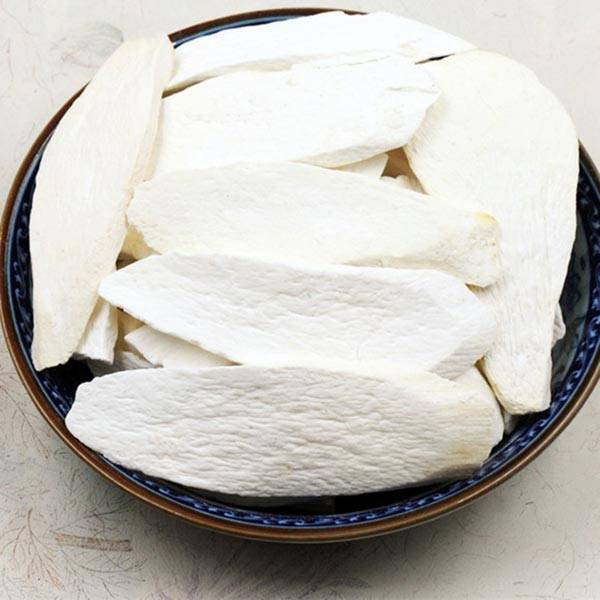
| Cut/Form | Whole rhizome / sliced / 60–80 mesh powder |
| Berberine (HPLC) | ≈5–8% (real-world lots may vary; COA attached) |
| Total Alkaloids | ≥7% (HPLC, as berberine equivalents) |
| Moisture (LOD, 105°C) | ≤12% |
| Ash | ≤6% |
| Heavy Metals | Pb ≤3 ppm, Cd ≤1 ppm, As ≤1 ppm, Hg ≤0.1 ppm (ICP-MS) |
| Microbial Limits | TAMC ≤10^5 cfu/g; TYMC ≤10^3 cfu/g; Pathogens: absent |
| Shelf Life | 24–36 months (cool, dry, light-protected) |
Materials: authenticated Coptis rhizomes → low-temp drying → cleaning/sorting → slicing or milling → sieving → metal detection → lot blending → packaging (food-grade, O2 barrier).
Methods: macroscopic ID + TLC fingerprint; HPLC for berberine/palmatine; ICP-MS (heavy metals); GC-MS (pesticides); aflatoxins (ELISA/HPLC).
Standards referenced: ChP 2020 (Coptidis Rhizoma), USP , WHO QC methods for herbal materials. Certifications often seen: GMP, ISO 22000, HACCP.
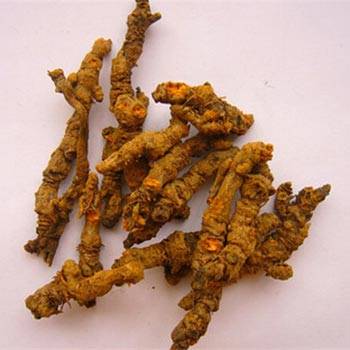
Stable supply, relatively consistent alkaloid profile, and, frankly, buyer-friendly COAs. Many customers say the odor/flavor intensity is a useful authenticity tell; substitutions tend to “smell wrong,” for lack of a better term.
| Vendor | Origin | Certs | Berberine Spec | MOQ / Lead Time | Notes |
|---|---|---|---|---|---|
| HEX Herbal (Hebei) | Hebei, China | GMP, ISO 22000, HACCP | ≈5–8% (HPLC) | 100 kg / 10–15 days | Consistent COAs; good export docs |
| Sichuan Wildcrop Co. | Sichuan, China | GAP, ISO 9001 | ≈4–6% | 200 kg / 15–20 days | Stronger wildcrafted story; variable lots |
| Import Broker EU | Mixed | ISO 22000 (partners) | ≈3.5–5% | 50 kg / stock-based | Easier customs; higher price |
A mid-size nutraceutical brand shifted to huanglian lots with tighter HPLC windows (±0.5% berberine). Result: fewer batch adjustments and an 18% reduction in rework costs over two quarters. No claims, just smoother manufacturing—exactly what QC likes to see.
Ask for: species authentication (TLC + macroscopic photos), HPLC chromatograms, ICP-MS metals, GC-MS 500+ pesticide panel (if EU-bound), aflatoxins B1/B2/G1/G2, microbial per ChP/USP, and stability data at 25°C/60% RH. Simple, but you’d be surprised how many skip the chromatograms.
Editorial note: This article is informational and not medical advice. Formulation and labeling must follow your local regulations.