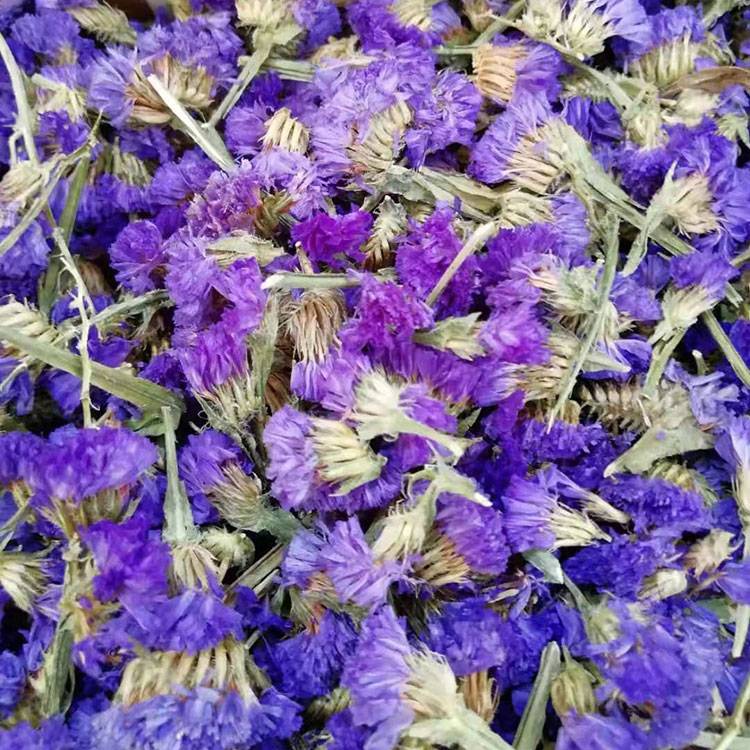

Chrysanthemum tea might seem like just another herbal infusion on the market, but its properties have been celebrated across Asia and increasingly worldwide for centuries. Understanding these properties isn’t just a botanical curiosity — it matters globally for health enthusiasts, herbalists, and industries focusing on natural wellness products. From aiding digestion to cooling down fevers, this floral tea boasts health benefits that are surprisingly diverse.
In a world that’s chasing natural, functional beverages, chrysanthemum tea stands out as an ancient remedy with modern appeal. According to the World Health Organization (WHO), global demand for herbal teas and natural infusions rose by over 10% annually during the past decade — people are prioritizing health but also flavor and tradition.
Why does this matter? The tea’s natural anti-inflammatory properties address growing concerns over inflammation-related illnesses globally, including heart and metabolic diseases. Moreover, many regions experiencing heat waves and rising temperatures, such as Southeast Asia and parts of Africa, use chrysanthemum tea as a natural cooling agent. Yet the challenge remains: how can we better understand and harness these properties at scale, both for commercial and therapeutic use?
Simply put, the properties of chrysanthemum tea refer to its biological and chemical characteristics that provide health benefits when consumed. This includes antioxidants, flavonoids, vitamins like C and A, and essential oils that contribute to its anti-inflammatory, antipyretic (fever-reducing), and calming effects.
More intriguingly, chrysanthemum tea is not just a drink—it intersects with modern needs for natural health alternatives and sustainable agricultural practices. As industries seek botanical ingredients with proven efficacy and minimal environmental footprint, chrysanthemum’s profile shines.
One of the primary features that many researchers highlight is chrysanthemum tea’s rich content of antioxidants. These compounds neutralize harmful free radicals, potentially curbing oxidative stress linked to chronic diseases.
It’s not just old wives’ tales: studies suggest chrysanthemum’s bioactive compounds can reduce inflammation markers, making it useful for conditions like arthritis or skin irritations.
In traditional Chinese medicine, chrysanthemum is classified as "cooling," helping to bring down fevers or soothe heat-related ailments — something that fits well considering rising global temperatures.
Loaded with vitamins A and C, the tea bolsters immunity and helps in vision health. It’s a kind of gentle yet effective natural supplement.
Beyond health, the mildly sweet, floral taste makes it a preferred choice for daily hydration with zero calories, beneficial especially in countries pushing for reduced sugar consumption.
In real terms, the properties of chrysanthemum tea aren’t just medical trivia — they embody a blend of chemistry, tradition, and modern nutritional needs.
A bit like how green tea became a global household item, chrysanthemum tea is finding its place across continents:
Oddly enough, some hospitals in Asia are even experimenting with chrysanthemum tea to reduce post-treatment inflammation in patients — no kidding!
| Specification | Details |
|---|---|
| Origin | Chrysanthemum indicum (Chinese chrysanthemum) |
| Active Compounds | Flavonoids, phenolic acids, vitamin A, vitamin C |
| Health Claims | Anti-inflammatory, antipyretic, antioxidant, vision support |
| Flavor Profile | Floral, light, slightly sweet |
| Shelf Life | 18-24 months (dried flowers stored in airtight containers) |
| Vendor | Origin | Certifications | Bulk Pricing | Sustainability |
|---|---|---|---|---|
| Golden Bloom Herbs | China (Hangzhou) | ISO 22000, Organic Certified | $10/kg (≥100kg) | Supports organic farming initiatives |
| PureFlora Teas | South Korea | GMP Certified, Non-GMO | $12/kg (≥50kg) | Uses renewable energy in production |
| Herbal Essence | India (Assam) | Fairtrade, Organic | $9.50/kg (≥150kg) | Community-based sustainable harvests |
It’s easy to get lost in the chemical jargon, but here’s the crux: the properties of chrysanthemum tea translate into practical long-term benefits for consumers, producers, and the environment.
We’re seeing a digitalization of herbal product tracing, where blockchain ensures quality, origin, and sustainability credentials for chrysanthemum teas. Plus, innovations in drying technology promise better retention of antioxidants and aroma.
On the sustainability front, companies harness green energy for growing and processing. Biotechnology also opens doors for fortifying teas with additional bioactives, making “super teas” a thing — all while shouting out the original charm of chrysanthemum.
Fair warning: not everything grows as easily as the flowers look. Challenges include seasonal harvest limitations, susceptibility to pests, and inconsistent quality between batches. These affect the uniformity of chrysanthemum tea properties.
To combat this, enterprising farmers are adopting integrated pest management and precision agriculture. Vendors offer blends standardized to a specific antioxidant level, reducing variability. Plus, educating the market on storage and brewing best practices ensures consumers get consistent benefits.
Combining tradition, science, and sustainability, chrysanthemum tea and its unique properties continue to captivate a global audience. As natural health gains pace, people seek remedies that soothe without side effects, cool without chemicals, and nourish without filler.
If you’re intrigued to explore further or bring chrysanthemum tea’s benefits to your routine or business, visit us at https://www.hexherbalmedicine.com — where tradition meets wellness innovation.