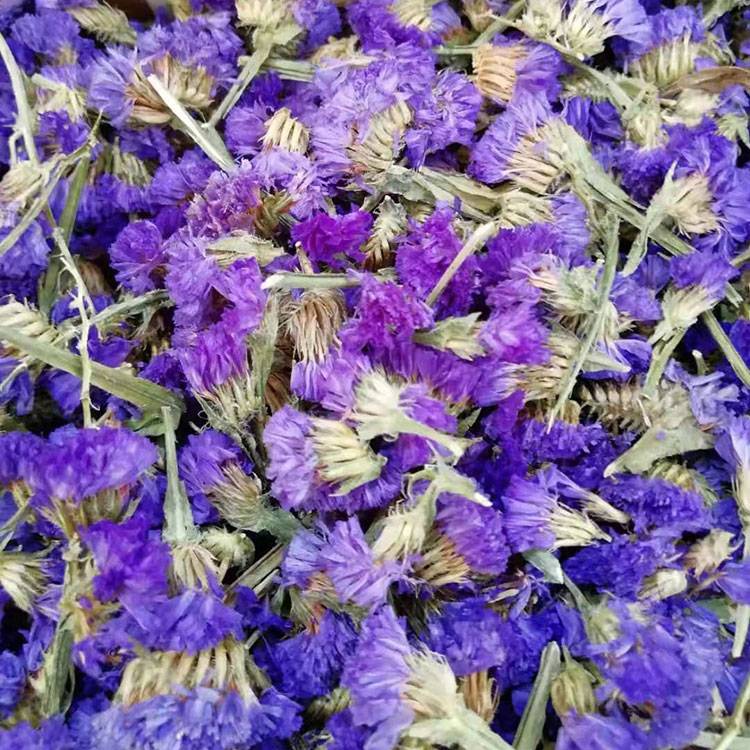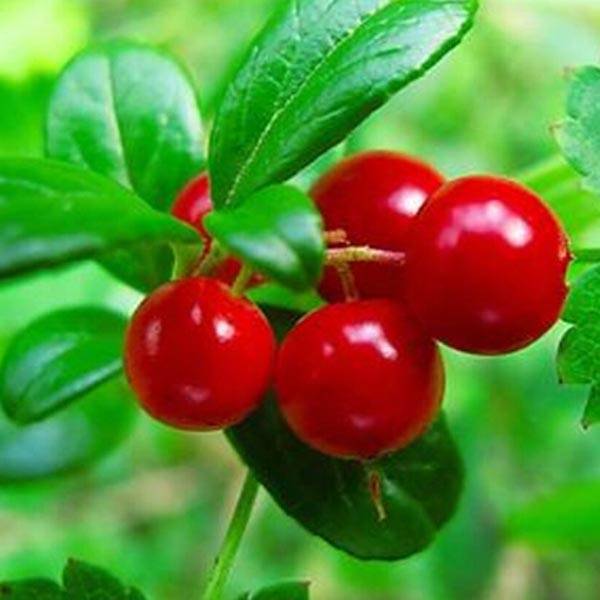

Black wolfberry tea isn't just another trendy herbal brew flooding the shelves—it’s a traditional remedy gaining renewed global attention for its rich antioxidant properties and potential health perks. Understanding black wolfberry tea benefits unlocks insights into natural wellness, supports sustainable agriculture in remote areas, and connects centuries-old practices with modern lifestyles. Frankly, it’s a fascinating blend of geography, culture, and science all in a humble cup.
With an increasing focus on natural health solutions worldwide, black wolfberry tea plays a growing role in conversations about immune support and anti-aging, especially as chronic diseases surge globally. If you’ve ever wondered why some teas do more than quench thirst, you’re in the right place.
The global herbal tea market is booming—expected to hit $7 billion by 2026 according to industry reports—and black wolfberry tea features prominently in niche sectors focused on wellness and longevity. Originating mainly from the remote northwest regions of China, where the plant thrives in harsh desert climates, black wolfberries (also called black goji berries) deliver complex nutrients that appeal worldwide.
Amid growing interest in preventive health, the tea addresses a pressing need: affordable, natural antioxidants that support immune defenses. The World Health Organization (WHO) highlighted how plant-based antioxidants can reduce oxidative stress, which contributes to chronic illness, and black wolfberry tea fits neatly into that discussion. Plus, its cultivation supports less-developed farming communities, hitting social and economic development goals simultaneously.
Mini takeaway: Black wolfberry tea is more than a drink—it’s a small but potent cog in global health and agricultural sustainability.
Put simply, these benefits refer to the range of positive effects the tea offers when consumed regularly. Black wolfberry tea is rich in anthocyanins (powerful antioxidants responsible for the deep purple-black color), vitamins (especially vitamin C), and various phytochemicals that work synergistically to protect cells from damage.
Aside from its antioxidant prowess, the tea is linked to blood sugar regulation, liver health, and anti-inflammatory effects, making it a valued staple in traditional Chinese medicine (TCM). In a modern context, it can be seen as a natural supplement that complements mainstream healthcare — potentially reducing dependencies on synthetic drugs and promoting holistic wellness.
Mini takeaway: This tea is a natural powerhouse, blending ancient tradition with modern health science.
The standout marker is anthocyanins — those dark pigments with strong antioxidant effects that many nutritionists rave about for combating oxidative stress. It’s roughly 5-8 times the antioxidant power of green tea or blueberries, according to some lab studies.
The tea’s vitamin C and polysaccharides promote white blood cell activity. This immune boost isn’t just anecdotal; clinical trials suggest reduced incidence of infections with regular consumption.
Some studies hint that wolfberry constituents improve insulin sensitivity, which could aid diabetics in managing glucose levels more naturally.
Chronic inflammation—often called “silent inflammation”—underpins many diseases. Black wolfberry tea helps soothe this, thanks to its unique flavonoids.
In traditional healing, it’s been used to detoxify and protect the liver, benefits that modern research is beginning to validate.
The tea is mildly adaptogenic, helping the body better tolerate daily stress and improve stamina—a nice bonus for busy professionals.
| Feature | Details |
|---|---|
| Botanical Name | Lycium ruthenicum |
| Primary Active Compounds | Anthocyanins, Vitamin C, Polysaccharides |
| Taste Profile | Earthy, slightly sweet with berry undertones |
| Origin | Northwest China (Qinghai, Xinjiang) |
| Packaging | Loose leaf, tea bags, powder |
| Shelf Life | 12-24 months, store cool & dry |
Mini takeaway: The tea is a carefully balanced natural product, combining multiple bioactive compounds for comprehensive benefits.
You might think this is a niche Eastern herbal tradition, but black wolfberry tea has found growing adoption worldwide.
For example, in post-disaster humanitarian relief, community programs have experimented with herbal teas including black wolfberry to improve long-term nutrition, especially when fresh fruit availability is low. Oddly enough, it’s not just a luxury — it can be a practical supplement to support health in challenging conditions.
Mini takeaway: Black wolfberry tea’s benefits aren’t just theoretical—they’re taking root in diverse, real-world scenarios.
Beyond the immediate health perks, there’s a sustainability and social impact story baked in. It’s often cultivated in ecologically fragile areas, supporting desertification prevention programs. This adds a layer of environmental stewardship to drinking that tea.
Costs tend to be moderate, all things considered, and since the berries are harvested from wild or semi-wild shrubs, there’s little need for heavy agrochemical inputs (a plus for organic consumers). It also appeals emotionally—many describe a feeling of calm and resilience after sipping it regularly. This combination of wellness and earth-friendly cultivation earns black wolfberry tea serious cred in a world hungry for sustainability.
The market is beginning to see innovations like:
Interestingly, some startups are exploring fermentation of wolfberry extracts for enhanced bioavailability. It’s still early days, but it shows the sector isn’t standing still.
Of course, nothing is perfect. The main hurdles include:
Innovators respond by:
| Supplier | Origin | Certification | Typical Price Per 100g | Notable Feature |
|---|---|---|---|---|
| Sichuan Herb Co. | China | Organic + ISO | $30 | Wild harvested, rigorous antioxidants test |
| Qinghai Naturals | China | Organic | $25 | Sustainable farming partnerships |
| Herbal Essence Ltd. | Nepal | ISO Certified | $28 | Artisanal drying method for flavor retention |
| Boreal Botanicals | Canada (Import) | Organic + Fair Trade | $35 | Fair Trade certified, sustainable packaging |
While both come from the Lycium genus, black wolfberry (Lycium ruthenicum) contains higher levels of anthocyanins—those powerful antioxidants giving it the deep dark color—whereas red goji berries (Lycium barbarum) have other nutritional profiles. This difference affects their health benefits and taste, making black wolfberry tea more potent for oxidative stress defense.
Most experts recommend daily consumption—around 1 to 2 cups—to experience tangible antioxidant and immune benefits. However, consistency over weeks or months is key, as the positive effects accumulate gradually rather than immediately.
Emerging research suggests wolfberry compounds may help regulate blood sugar by improving insulin function. That said, it’s best seen as a complementary aid alongside medical treatment, not a replacement.
Generally regarded as safe in moderate amounts, but since not many studies have focused on pregnant women specifically, it’s wise to consult your healthcare provider. Traditional uses don’t report adverse effects in pregnancy, but caution is advised.
Authentic sources usually come from reputable suppliers specializing in Chinese herbal products or certified organic brands. Be sure to check for certifications and origin info, and visit our detailed guide on black wolfberry tea benefits to pick trusted sellers.
To sum it all up, black wolfberry tea weaves together health, tradition, and sustainability in a unique way. As you sip this deep purple brew, you’re not just enjoying a flavorful cup—you’re connecting with centuries of knowledge, supporting fragile ecosystems, and boosting your body’s defenses.
For anyone curious about natural health or looking to explore plant-based nutrition, black wolfberry tea is definitely worth trying. Trust me, once you explore its subtle flavor and rich benefits, it feels like discovering a hidden treasure in the vast world of herbal remedies.
If this has piqued your interest, don’t just take my word for it—visit our website for deeper insights, trusted products, and more about black wolfberry tea benefits.
Cheers to your health, and happy sipping!