Italy possesses a rich tradition of herbal medicine, but the modern shift toward "functional foods" has created a surge in demand for high-purity chrysanthemum tea. The Mediterranean climate, while conducive to many herbs, requires specialized imported processing for specific East Asian species to ensure stability and efficacy.
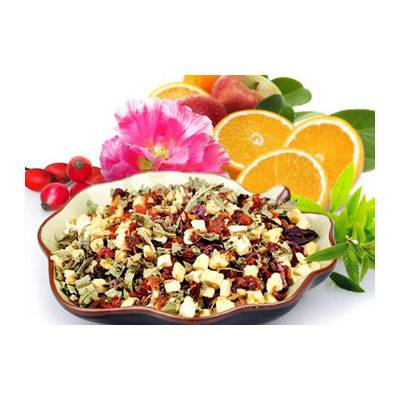
Current market trends in Milan and Rome show a preference for transparency in the supply chain. Italian consumers are increasingly seeking fruit flower tea blends that are free from synthetic pesticides and sulfur fumigation, pushing manufacturers toward pharmaceutical-grade cleaning and drying technologies.
The regulatory environment under EFSA (European Food Safety Authority) demands strict adherence to contaminant limits. This has transitioned the local industry from simple agricultural drying to sophisticated pharmaceutical-grade processing, ensuring that every batch of mum tea meets EU safety protocols.