Ethiopia possesses a diverse climatic range that supports an array of flora, yet the local processing of fruit flower tea has traditionally relied on artisanal sun-drying, which often leads to inconsistent potency and vulnerability to mold due to humidity fluctuations in the highlands.
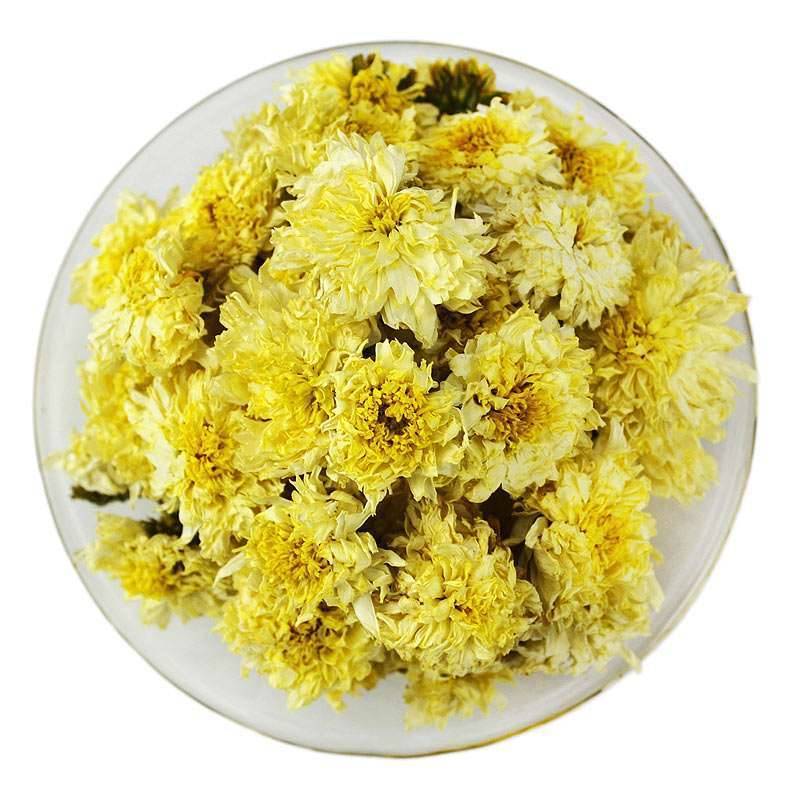
In the current pharmaceutical manufacturing sector, there is a growing demand for standardized chrysanthemum tea. The gap between raw harvest and medical-grade slice processing remains wide, limiting the export potential of Ethiopian botanical products to global markets.
The integration of professional TCM (Traditional Chinese Medicine) slicing technology is now critical. By adopting controlled temperature drying and precise cutting, Ethiopia can transform its natural resources into high-value mum tea products that meet international pharmacopoeia standards.