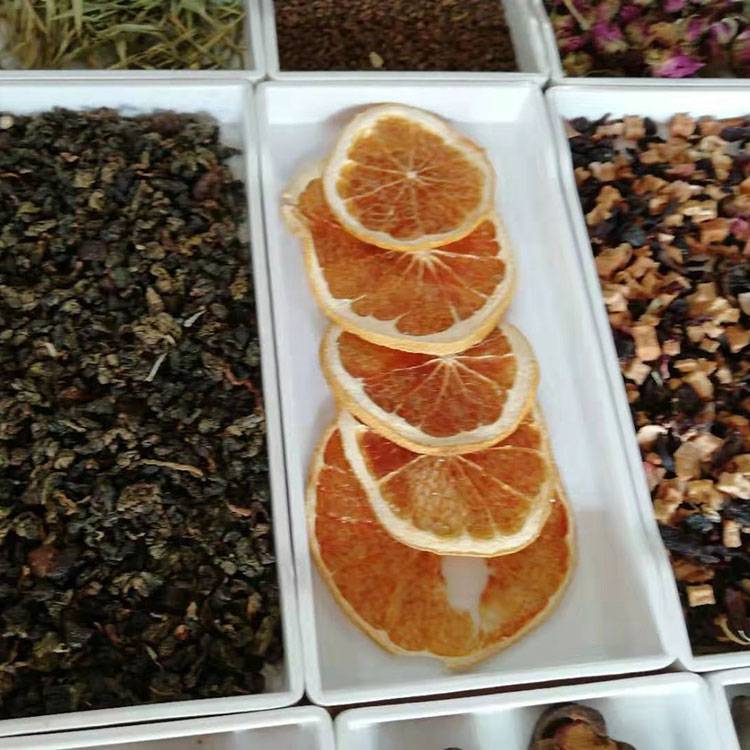
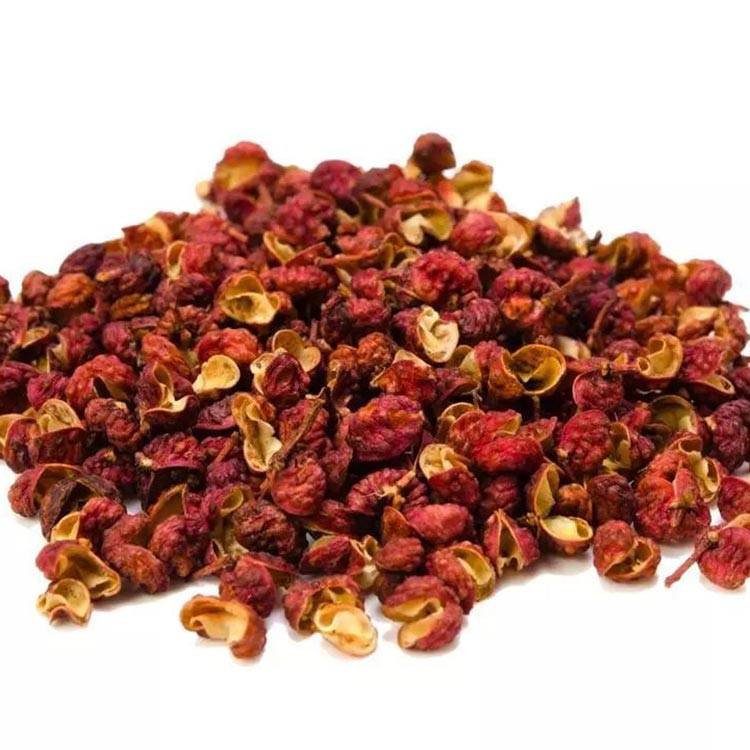

Nigeria's health-conscious consumer base is rapidly expanding, creating a surge in demand for functional beverages like fruit flower tea. However, the local market is predominantly supplied by raw imports that often lack standardized pharmaceutical processing, leading to inconsistencies in potency and shelf-life.
The tropical climate of Nigeria poses significant challenges for the storage of sensitive botanicals such as chrysanthemum tea. High humidity levels often lead to fungal contamination if the drying and sealing processes are not executed under strict industrial pharmaceutical standards.
Currently, there is a critical gap in the localized processing of mum tea. While the demand for natural detox and anti-inflammatory drinks is high in urban centers like Lagos and Abuja, the lack of specialized TCM processing equipment hinders the production of high-grade, residue-free herbal slices.