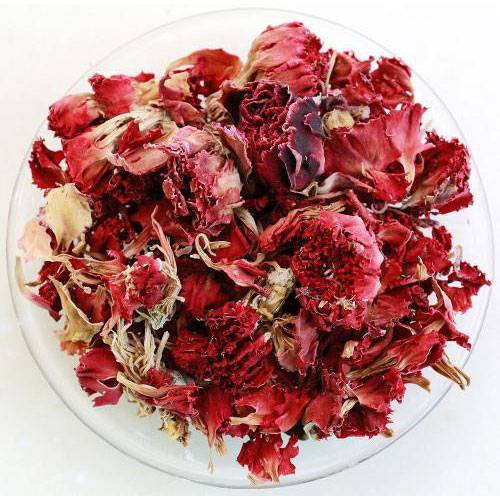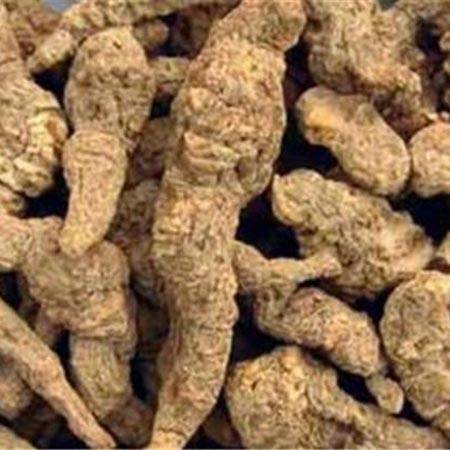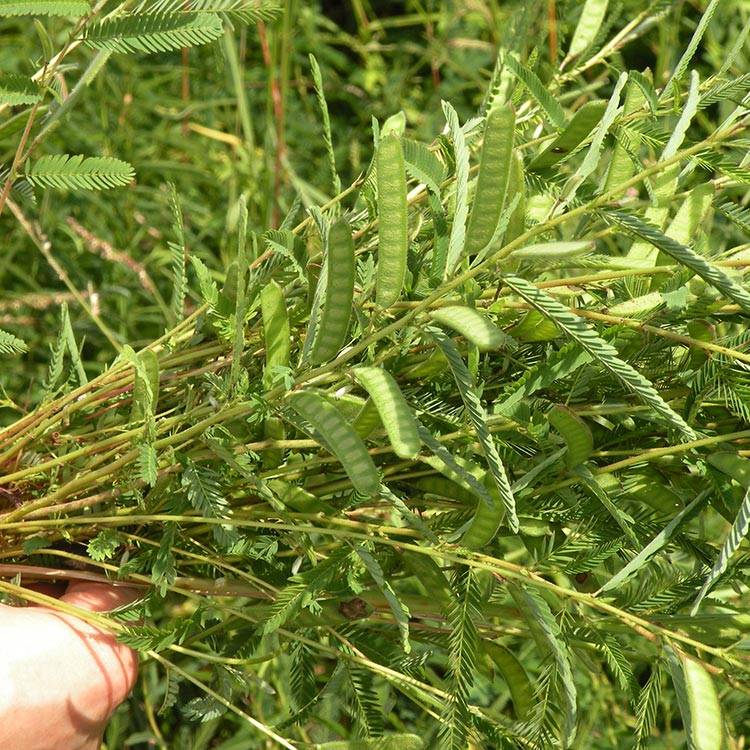
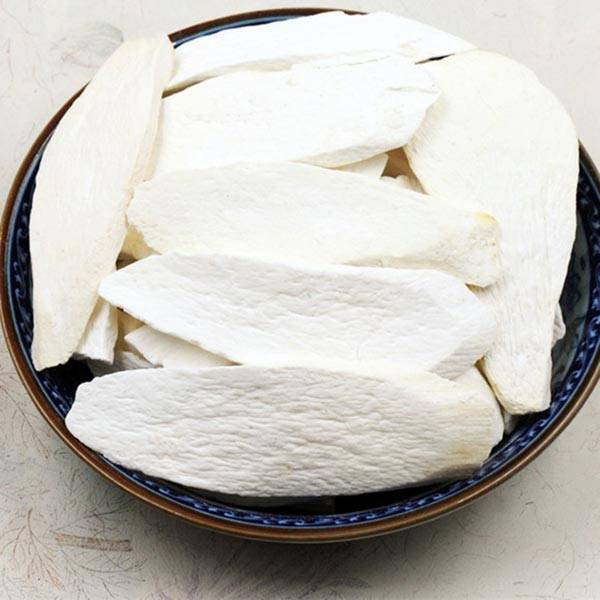
Myanmar's unique humid subtropical climate provides an ideal environment for diverse flora, yet the local processing of fruit flower tea has traditionally relied on artisanal, small-batch methods. This often leads to inconsistencies in potency and shelf-life stability.
Currently, the Myanmar market shows a surging demand for standardized pharmaceutical-grade herbal pieces. The transition toward professional TCM processing is driven by a growing middle class seeking the health benefits of mum tea for heat-clearing and detoxifying purposes.
However, the gap between raw material harvest and industrial refinement remains wide. There is a critical need for advanced dehydration and sterilization technologies to ensure that snow chrysanthemum tea meets international safety and efficacy standards.