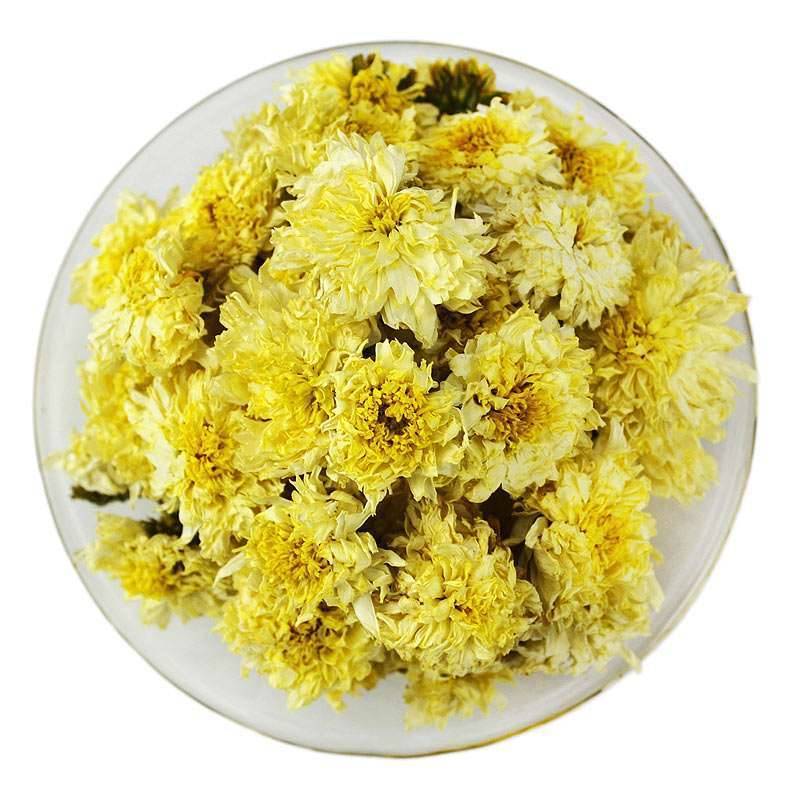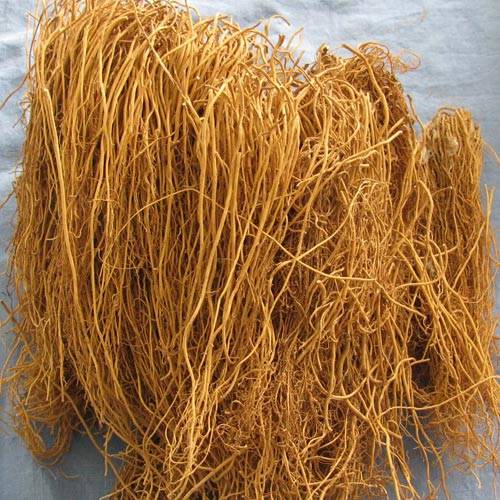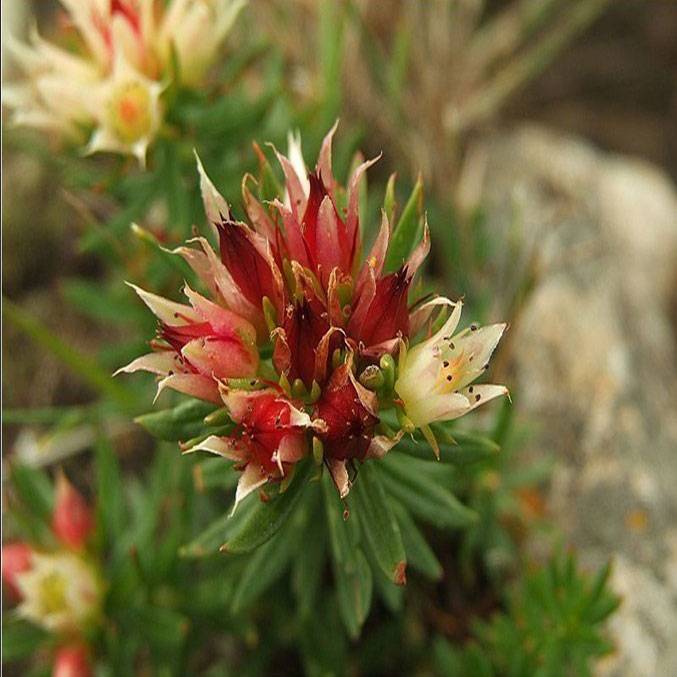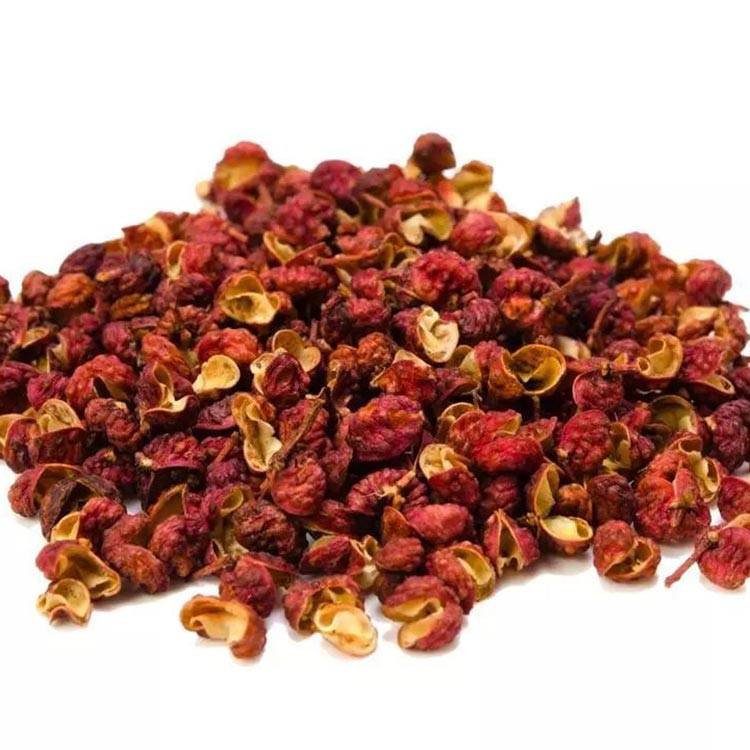
Iran possesses a rich tradition of botanical medicine, yet the industrial processing of chrysanthemum tea has historically relied on artisanal methods. The arid climate of the Iranian plateau provides excellent natural drying conditions, but the lack of standardized pharmaceutical-grade processing often leads to inconsistencies in active ingredient retention.
Currently, the market is seeing a surge in demand for fruit flower tea blends, driven by a growing health-conscious urban population in Tehran and Mashhad. However, the local manufacturing sector struggles with the precision slicing and sterilization required for high-end export-grade herbal products.
The integration of Chinese pharmaceutical processing techniques is now becoming a critical success factor. By implementing strict GMP (Good Manufacturing Practice) standards, Iranian distributors are transitioning from raw bulk trade to value-added processed mum tea products that meet international pharmacopeia standards.