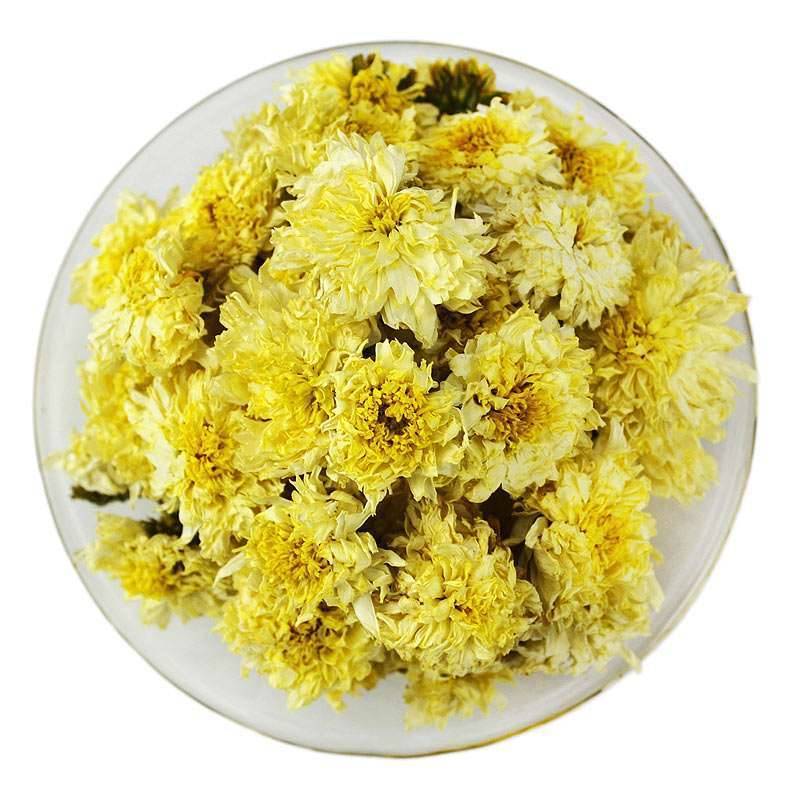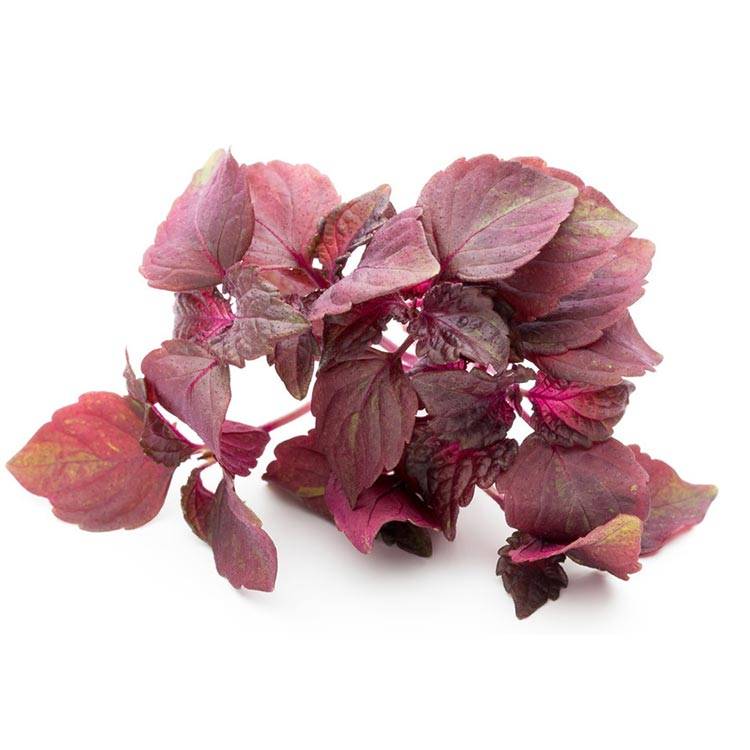

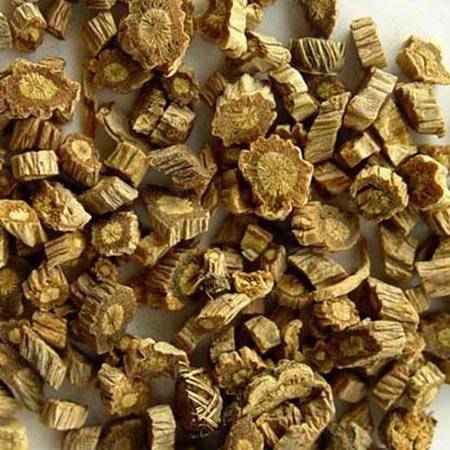
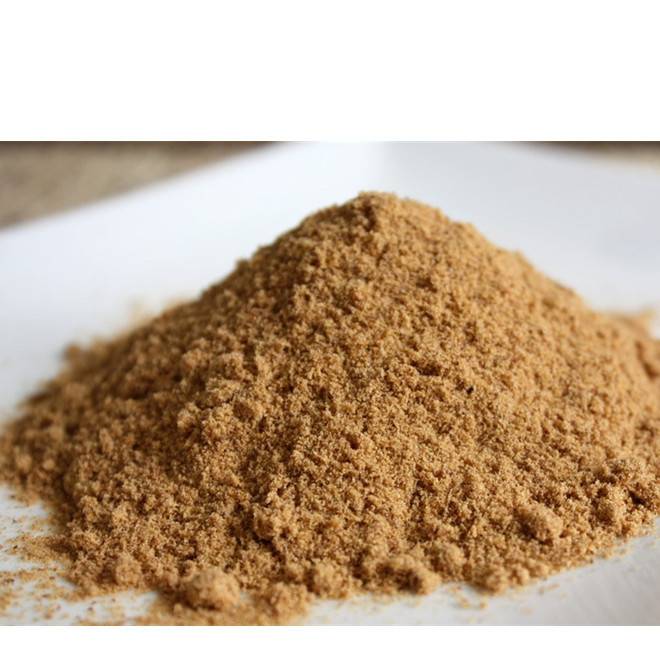
Indonesia's pharmaceutical landscape is currently witnessing a surge in "Back to Nature" movements, where traditional Jamu is evolving into standardized herbal medicines. However, the high humidity of the Indonesian archipelago poses a significant challenge to the preservation of delicate botanicals like mum tea, often leading to oxidation and loss of active flavonoids during storage.
Current local processing mostly relies on traditional sun-drying, which lacks temperature control and exposes the raw materials to environmental pollutants. There is a critical gap in the market for industrial-grade, low-temperature vacuum drying and precision cutting technology that can maintain the structural integrity of snow chrysanthemum tea.
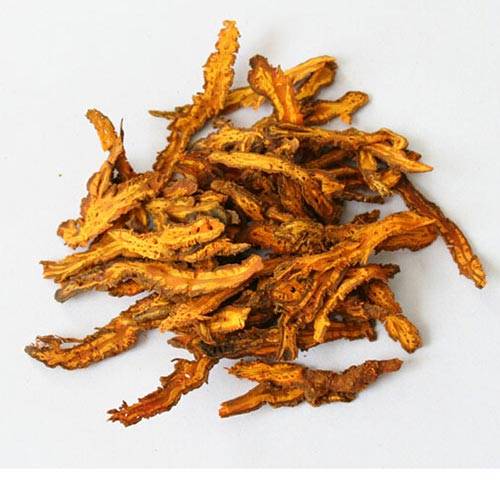
Consequently, Indonesian distributors are increasingly seeking overseas partnerships with manufacturers who can provide GMP-certified processing. The demand is shifting from raw agricultural products to refined, pharmaceutical-grade slices that meet strict moisture and purity standards for the domestic healthcare sector.