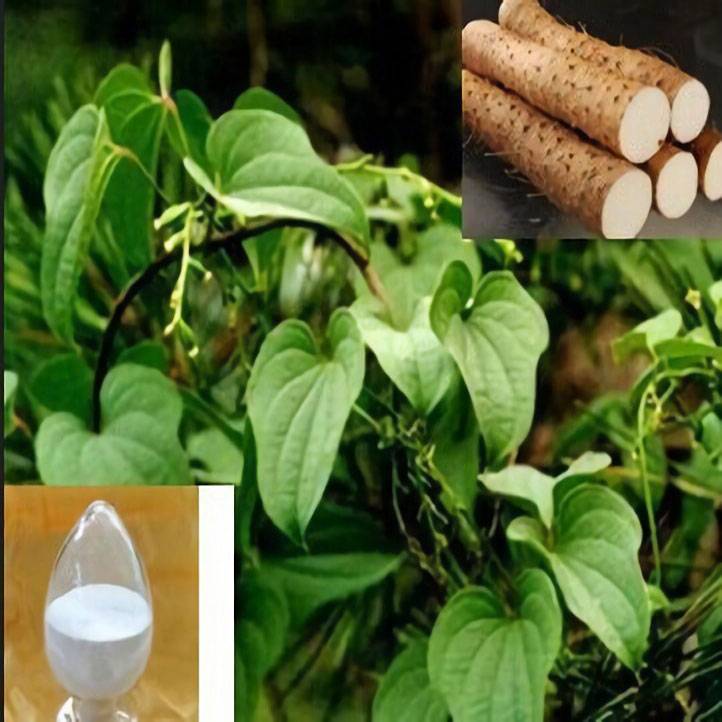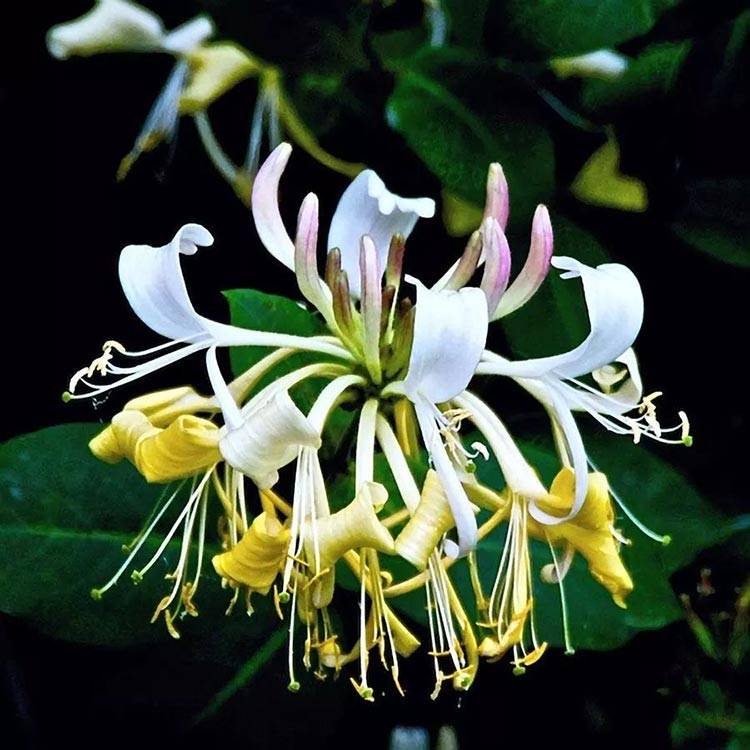
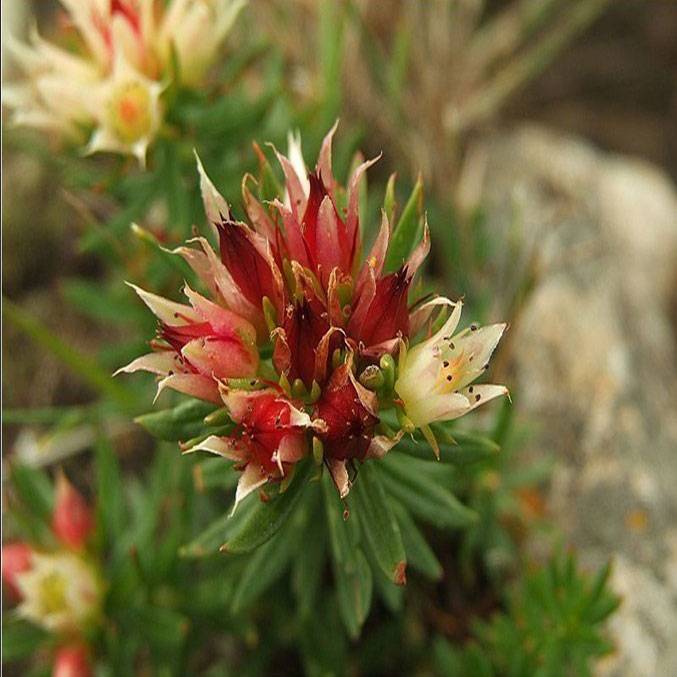
Ecuador's unique geography, spanning from the Andes to the Galápagos, has created a robust culture of herbal medicine. However, the local market for imported pharmaceutical-grade fruit flower tea has historically faced challenges regarding standardization and purity during the long-distance transit from Asia.
Currently, Ecuadorian consumers are shifting toward "clean label" products. This demand has increased the pressure on manufacturers to move beyond simple drying methods toward controlled vacuum-drying and low-temperature processing to preserve the volatile oils of the mum tea varieties.
The intersection of Ecuador's pharmaceutical regulations and TCM processing standards requires a meticulous approach to contaminant control. The integration of GAP (Good Agricultural Practices) in sourcing ensures that the organic integrity of the herbs remains intact upon arrival in Quito and Guayaquil.