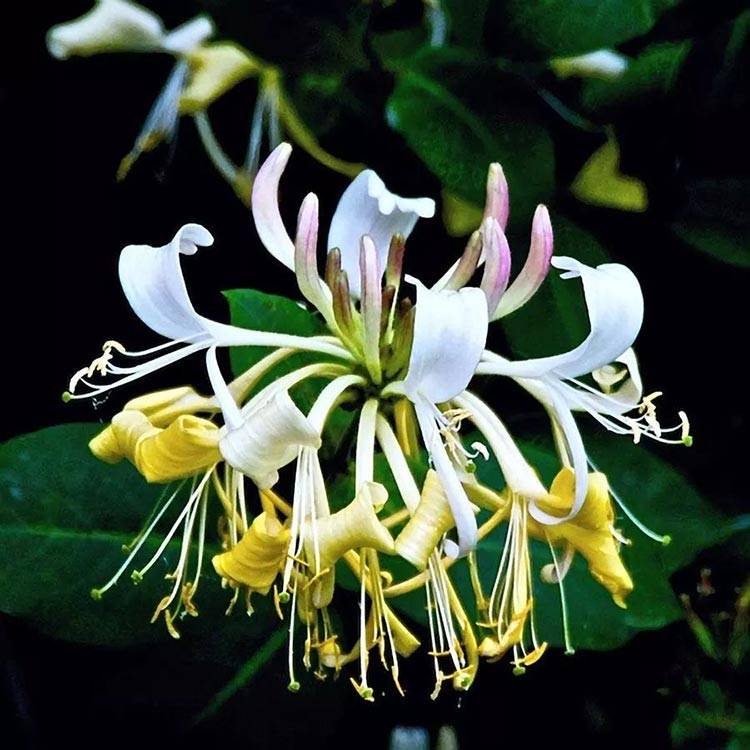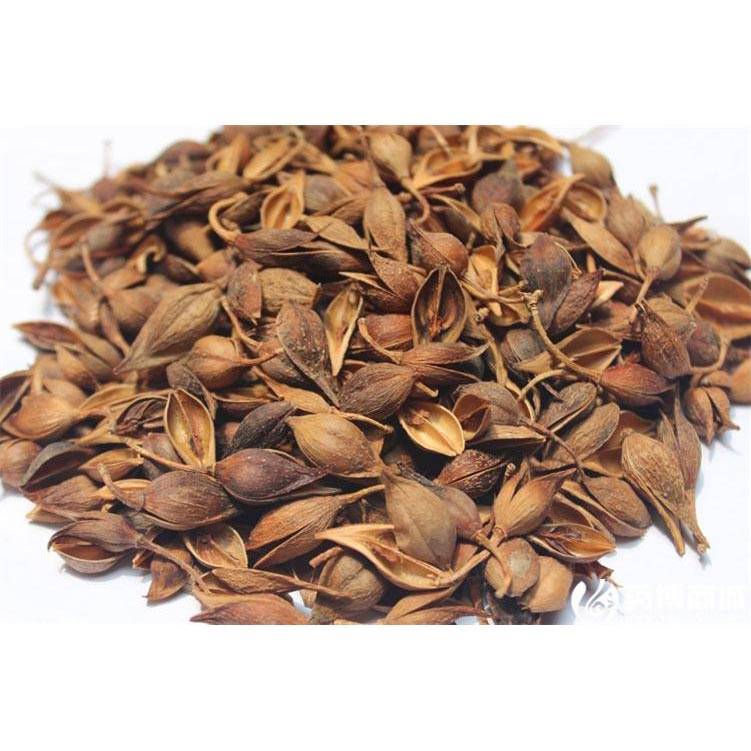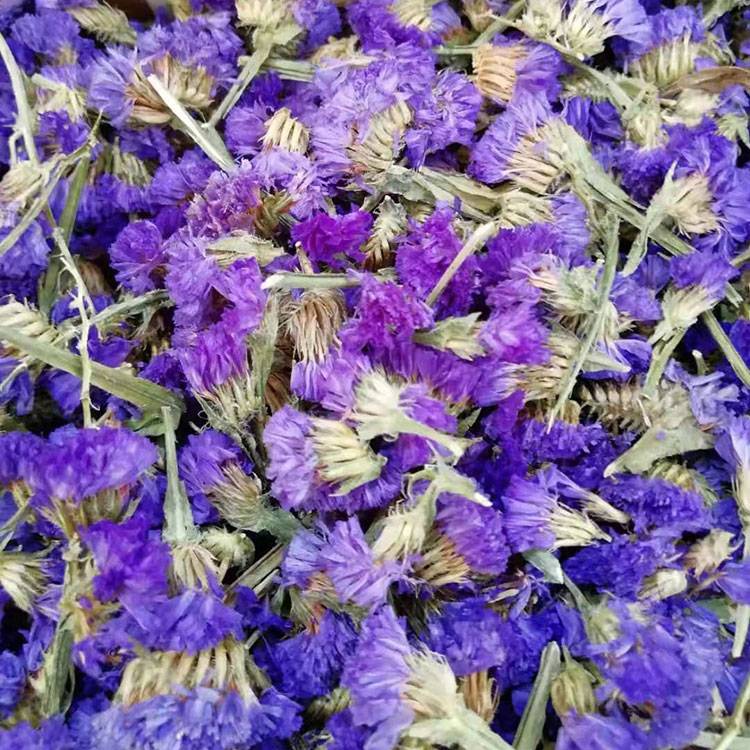

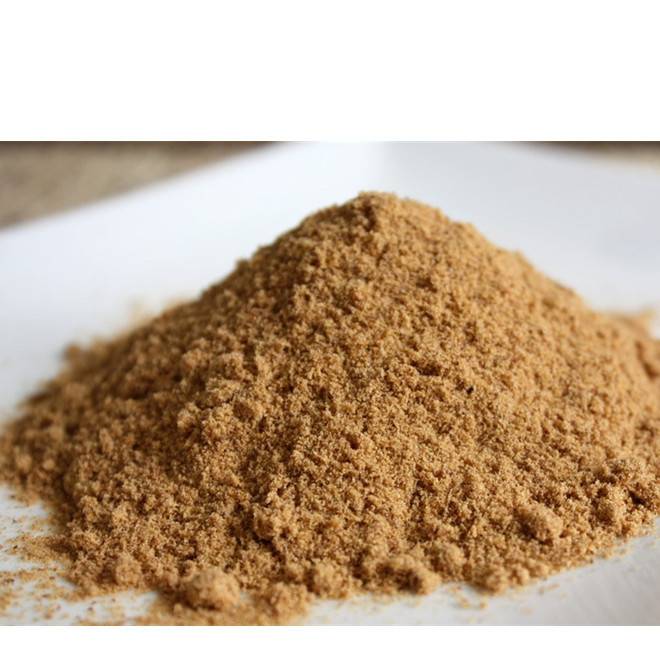
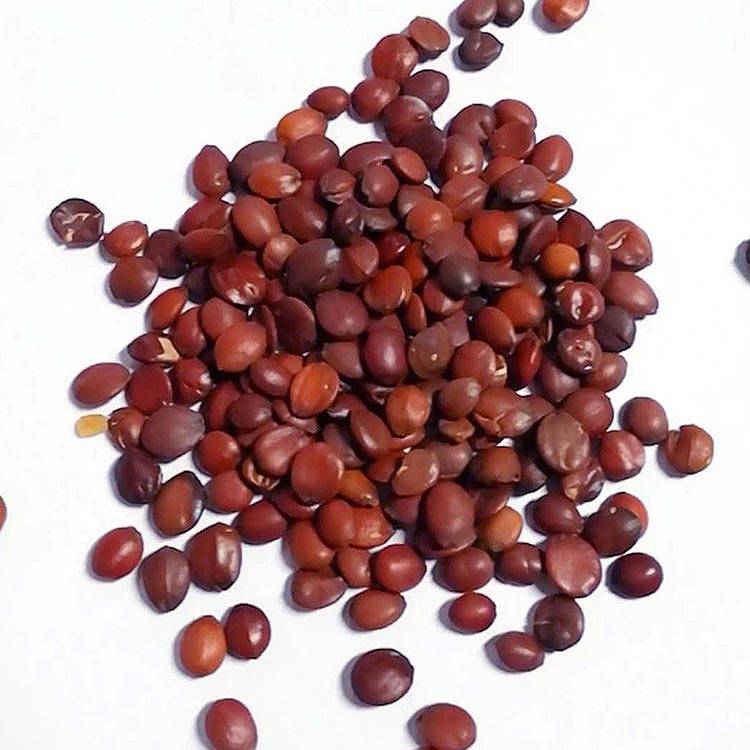
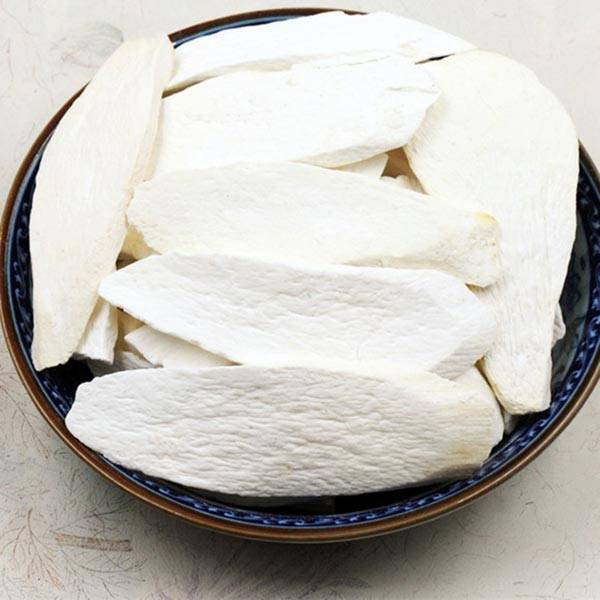
Brazil possesses a rich tradition of phytotherapy, but the specialized processing of TCM slices, such as mum tea, has historically faced challenges due to stringent ANVISA regulations and the lack of local pharmaceutical-grade cutting facilities. The tropical climate of Brazil creates a high demand for "cooling" herbal properties, making the market ripe for high-quality imports.
Currently, the Brazilian market is shifting from raw herbal imports to processed, standardized botanical extracts. There is a significant gap in the availability of fruit flower tea that meets both the sensory expectations of Brazilian consumers and the technical purity standards of pharmaceutical manufacturing.
The logistics of maintaining the volatile aromatic compounds of snow chrysanthemum tea across the Atlantic requires sophisticated vacuum packaging and moisture-controlled processing, which are currently the primary pain points for local distributors in São Paulo and Rio de Janeiro.