Cuba possesses a rich biodiversity and a strong tradition of natural medicine, yet the industrial processing of fruit flower tea often relies on artisanal methods. The local pharmaceutical sector is increasingly seeking standardized processing to ensure the stability of active compounds in tropical climates.
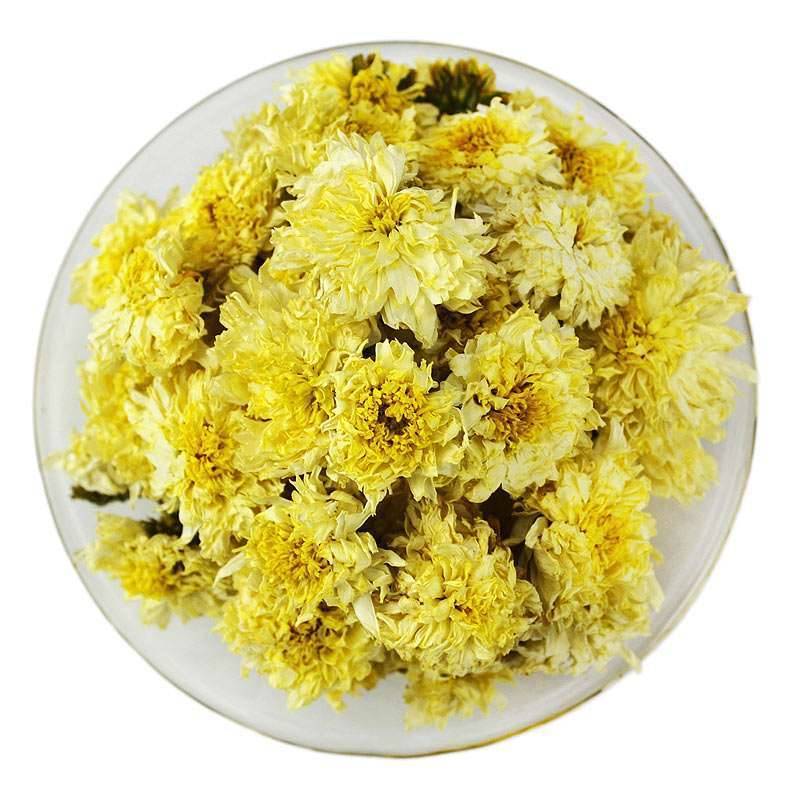
The demand for chrysanthemum tea has grown as part of a broader health trend toward preventative wellness. However, the lack of advanced dehydration and sterilization technology locally often leads to inconsistencies in batch quality and shorter shelf lives.
Current market gaps exist in the availability of pharmaceutical-grade mum tea. There is a critical need for processing techniques that eliminate contaminants while preserving the volatile oils essential for the tea's therapeutic properties.