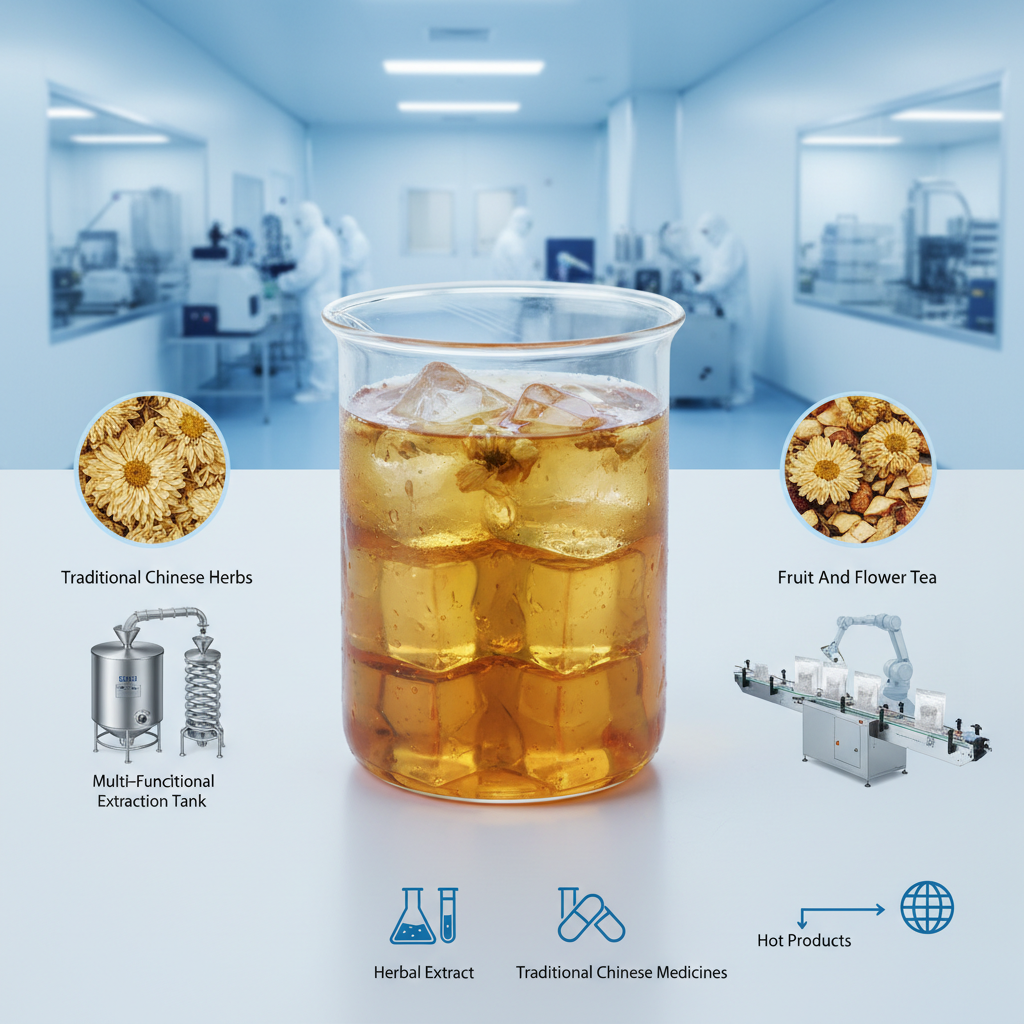
The global shift toward holistic wellness has reignited interest in traditional botanical infusions, with cold chrysanthemum tea emerging as a premier choice for those seeking natural balance. Unlike traditional hot brews, the cold-steeping process preserves delicate volatile oils and reduces bitterness, offering a refreshing experience that aligns with modern dietary preferences for low-caffeine and antioxidant-rich beverages.
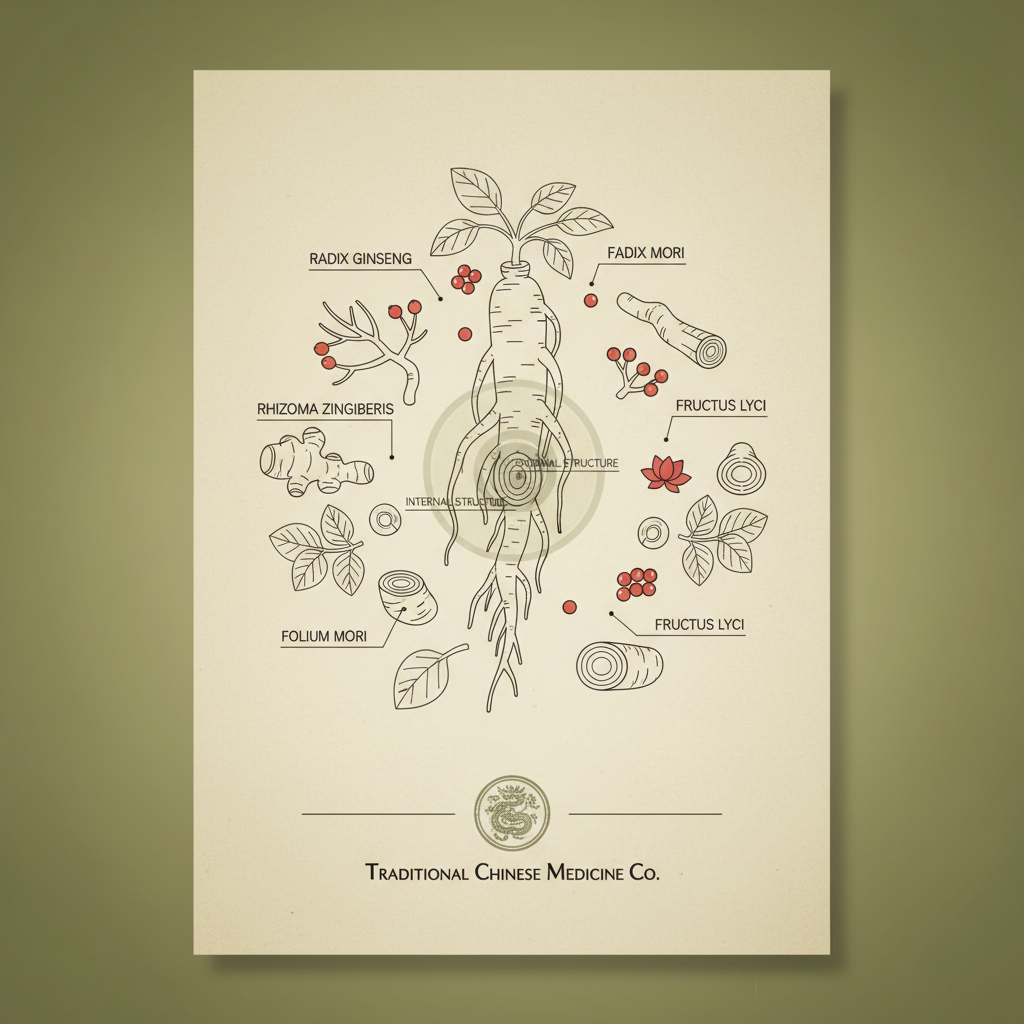
From a pharmacological perspective, the efficacy of these infusions depends heavily on the quality of the raw materials and the precision of the processing method. In the pharmaceutical manufacturing sector, particularly within the processing of Traditional Chinese Medicine (TCM) slices, ensuring the purity and bioactive integrity of the chrysanthemum flower is paramount to achieving the desired therapeutic effects of a cold-steeped beverage.
Understanding the nuances of cold chrysanthemum tea allows consumers and practitioners alike to leverage its cooling properties, which are traditionally used to clear heat and improve vision. As global health trends pivot toward preventive care, the integration of such herbal extracts into daily routines represents a sustainable approach to maintaining long-term vitality.
Global Industry Context of Cold Chrysanthemum Tea
The global herbal tea market has witnessed an exponential surge, driven by an increasing consumer preference for "clean label" products and natural alternatives to synthetic supplements. cold chrysanthemum tea stands at the intersection of traditional wisdom and contemporary lifestyle, catering to a demographic that values both the physiological benefits of TCM and the convenience of modern cold-brew methods.
Market data suggests a growing demand in North America and Europe for functional beverages that provide stress relief and anti-inflammatory properties. The challenge for the pharmaceutical manufacturing industry lies in standardizing the extraction of active compounds—such as flavonoids and phenolic acids—without the use of high-heat processes that can degrade these sensitive molecules.
Defining Cold Chrysanthemum Tea in Modern Wellness
At its core, cold chrysanthemum tea is an infusion created by steeping dried chrysanthemum flowers in cold or room-temperature water for an extended period. Unlike traditional hot brewing, which extracts tannins and bitter compounds quickly, cold extraction allows for a slower, more selective release of sweetness and aromatic essence, resulting in a smoother flavor profile.
In the context of modern pharmaceutical processing, this is more than just a beverage; it is a method of gentle solute extraction. By avoiding thermal degradation, the resulting liquid retains a higher concentration of heat-sensitive antioxidants, making it an ideal delivery system for those seeking the "cooling" (qingre) properties associated with chrysanthemum in Traditional Chinese Medicine.
This approach addresses a critical humanitarian and health need: the accessibility of gentle, non-stimulant hydration. As urban populations face increasing levels of digital eye strain and environmental heat stress, a standardized, high-purity cold infusion provides a scalable solution for systemic wellness.
Core Components of High-Quality Herbal Infusions
The quality of cold chrysanthemum tea is primarily determined by the botanical purity of the raw material. Using pharmaceutical-grade slices ensures that the flowers are free from pesticide residues and heavy metals, which is crucial since cold steeping occurs over a longer duration, potentially leaching impurities if the source material is not pristine.
Bioavailability is another critical factor; the surface area of the chrysanthemum slices must be optimized through precise cutting techniques. This allows water molecules to penetrate the plant cellular structure more effectively at low temperatures, ensuring that the essential oils and apigenin—the key active compound in cold chrysanthemum tea—are efficiently extracted.
Finally, stability and oxidation control are essential. High-quality processing involves vacuum-drying or freeze-drying techniques that preserve the vivid yellow hue of the flower. When the tea is brewed cold, these preserved pigments and antioxidants remain stable, providing a visually appealing and chemically potent beverage.
Technical Factors in Cold Steeping Efficiency
The efficiency of cold chrysanthemum tea extraction is governed by the laws of diffusion. Since kinetic energy is lower in cold water, the ratio of flower-to-water and the duration of the steep become the primary variables. Optimal results are typically achieved through a slow-infusion process lasting between 6 to 12 hours, which balances flavor extraction with the prevention of over-steeping.
From an industrial standpoint, we analyze different steeping methods to determine which maximizes the yield of active flavonoids while maintaining a palatable taste. The following data illustrates the comparative effectiveness of various cold-brewing approaches.
Comparative Extraction Efficiency of Cold Chrysanthemum Tea Methods
Global Applications and Use Cases
In corporate wellness programs across East Asia, cold chrysanthemum tea is frequently deployed as a "desk beverage" to combat the effects of prolonged screen time. Because of its ability to "clear the liver and brighten the eyes," it serves as a functional tool for productivity and employee health in high-stress tech hubs.
Beyond the office, the beverage is gaining traction in the luxury hospitality sector in Europe and North America. High-end spas and wellness retreats integrate cold-steeped herbal infusions into their detox protocols, valuing the tea for its gentle diuretic properties and its role in promoting a sense of calm and dignity in self-care routines.
Long-Term Value and Sustainability Advantages
The long-term value of integrating cold chrysanthemum tea into a wellness regimen lies in its sustainability. Unlike energy drinks or synthetic supplements, botanical infusions have a low environmental footprint, provided they are sourced from regenerative farms that avoid chemical pesticides.
Logistically, cold-brew herbal products offer a reliability that hot-brew alternatives lack. They require no electricity for preparation, making them an excellent choice for remote areas or disaster-relief zones where hydration and basic health maintenance (such as reducing inflammation) are needed without the need for boiling water.
Emotionally, the ritual of slow-steeping encourages a mindful approach to consumption. The trust built between the consumer and the producer is based on the transparency of the supply chain—from the pharmaceutical-grade slicing of the flower to the final cold infusion—creating a cycle of innovation and reliability.
Future Trends and Innovations in Herbal Processing
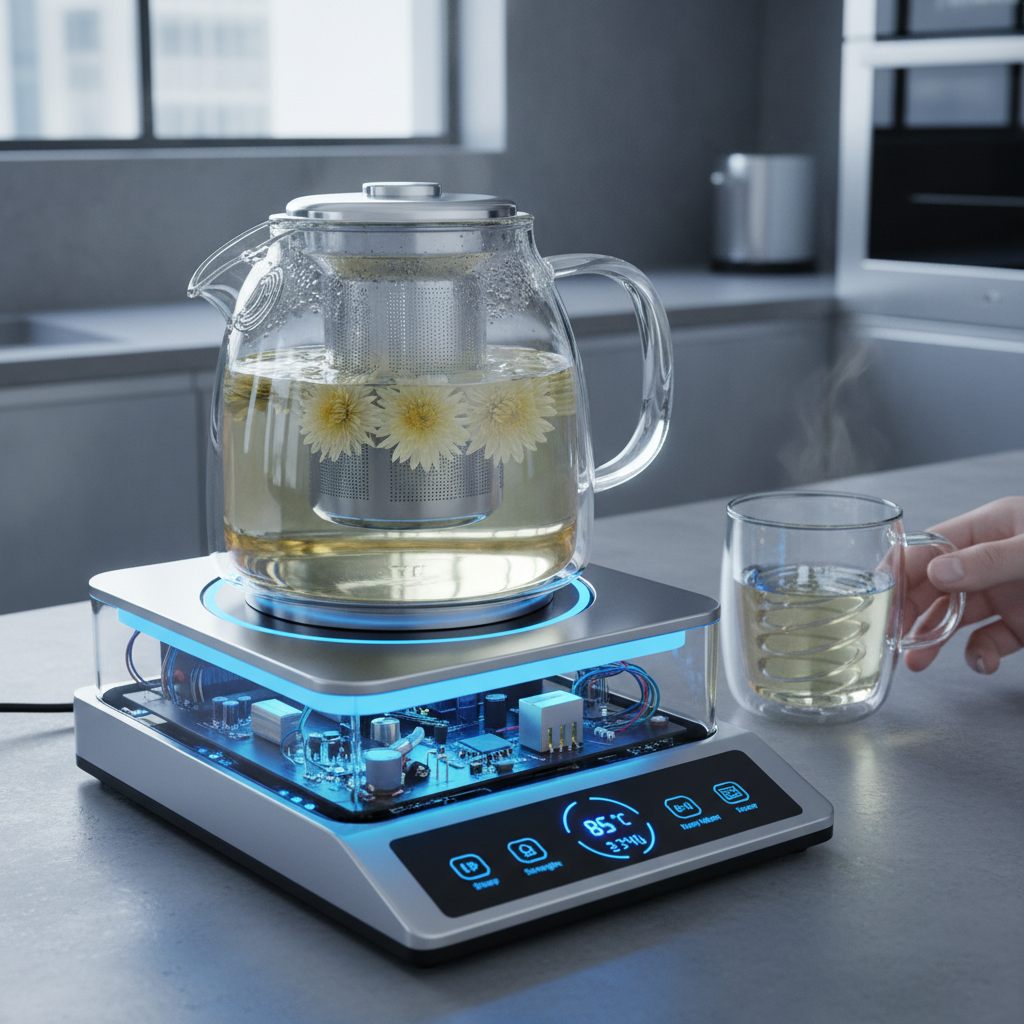
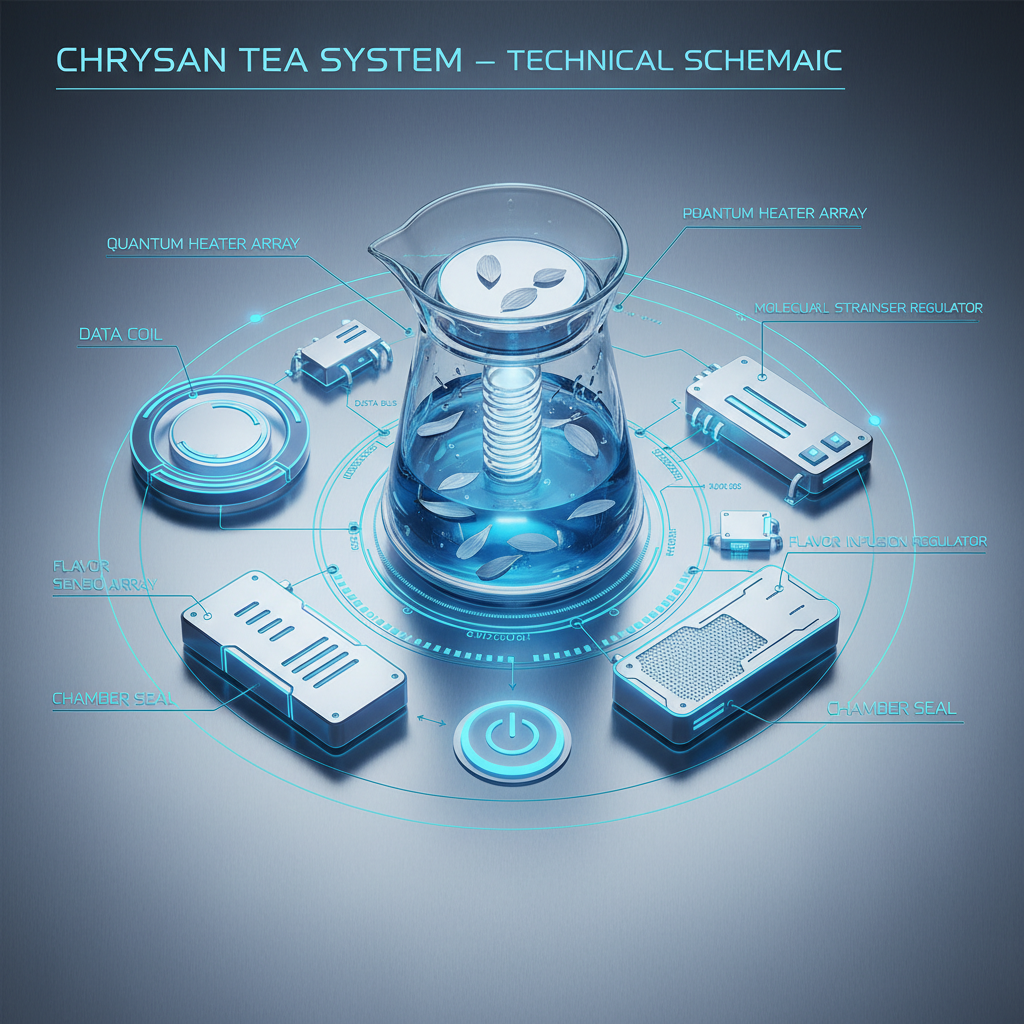
The future of cold chrysanthemum tea is being shaped by digital transformation and green chemistry. We are seeing the rise of "smart extraction" where AI-driven sensors monitor the precise concentration of flavonoids in real-time, allowing manufacturers to optimize the steeping time for maximum potency before bottling.
Sustainability is also driving a shift toward biodegradable packaging. Innovations in PLA (polylactic acid) and cellulose-based tea bags are ensuring that the convenience of cold-brewing does not come at the cost of plastic pollution, aligning the product with global ESG (Environmental, Social, and Governance) standards.
Furthermore, the integration of ultrasonic-assisted cold extraction is reducing the brewing time from hours to minutes without the need for heat. This automation allows for the mass production of high-purity cold infusions while maintaining the "raw" biological integrity of the chrysanthemum, bridging the gap between traditional medicine and modern convenience.
Comparative Analysis of Herbal Processing Innovations for Cold Infusions
| Technology |
Extraction Speed |
Nutrient Retention |
Eco-Impact Score |
| Traditional Cold Steep |
Very Slow (8-12h) |
High |
10/10 |
| Vacuum Cold Press |
Moderate (2-4h) |
Very High |
8/10 |
| Ultrasonic Extraction |
Fast (15-30m) |
High |
7/10 |
| AI-Optimized Steeping |
Variable |
Maximum |
9/10 |
| Centrifugal Cold Brew |
Fast (1h) |
Moderate |
6/10 |
| Osmotic Cold Extraction |
Slow (6-10h) |
High |
9/10 |
FAQS
Cold brewing prevents the release of heavy tannins and bitter compounds that occur at high temperatures. This results in a smoother, naturally sweeter taste. More importantly, it preserves heat-sensitive antioxidants and volatile aromatic oils, ensuring that the health benefits and the floral fragrance of the chrysanthemum are fully retained.
For home brewing, a duration of 6 to 12 hours in the refrigerator is ideal. This allows the water to slowly extract the active flavonoids. If you are using pharmaceutical-grade slices with high surface area, you may find that 8 hours is sufficient to reach the optimal balance of flavor and therapeutic potency.
Yes, in TCM, chrysanthemum is renowned for its "cooling" properties and its ability to clear the liver, which is traditionally linked to eye health. Cold steeping maintains these properties while providing hydration, making it an effective natural remedy for those experiencing digital eye fatigue or environmental heat exhaustion.
For most people, daily consumption is safe and beneficial. However, because of its cooling nature, those with an "extremely cold" constitution or those who are pregnant should consult a healthcare provider. Using high-purity, pharmaceutical-grade herbs ensures there are no contaminants that would hinder daily usage.
It is best to store cold chrysanthemum tea in an airtight glass container in the refrigerator. To prevent oxidation and maintain the bright yellow color, minimize exposure to light. The infusion is typically best consumed within 48 to 72 hours to ensure maximum antioxidant activity.
Look for flowers with a vibrant, natural yellow color and a strong, clean floral scent. Avoid those with a dull brown hue or a musty smell. Ideally, source your materials from certified pharmaceutical manufacturers who provide lab reports on pesticide and heavy metal levels to ensure safety.
Conclusion
In summary, cold chrysanthemum tea represents a sophisticated synthesis of ancient herbal wisdom and modern extraction science. By prioritizing cold-steeping over thermal processing, we unlock a superior flavor profile and preserve critical bioactive compounds that support ocular health and systemic cooling. From the precision of pharmaceutical slicing to the implementation of AI-driven extraction, every step in the process contributes to a beverage that is as functional as it is refreshing.
Looking forward, the continued evolution of green processing and sustainable packaging will make these herbal infusions a cornerstone of global preventive healthcare. We encourage wellness enthusiasts and industry professionals to embrace high-purity botanical sources and mindful brewing practices to maximize the therapeutic potential of this timeless flower. For premium herbal extracts and professional guidance, visit our website: www.hexherbalmedicine.com