In Cameroon, the consumption of herbal infusions is deeply rooted in local culture. However, the transition toward pharmaceutical-grade fruit flower tea is currently limited by the lack of advanced processing facilities. Most products are processed using artisanal methods, which often result in inconsistent quality and susceptibility to humidity-induced degradation given Cameroon's tropical climate.
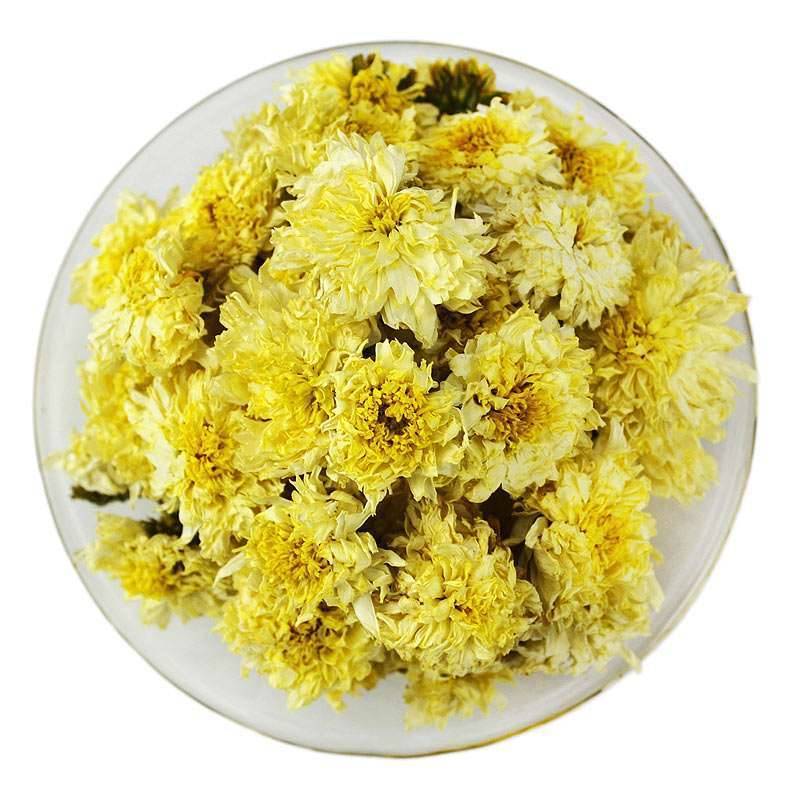
The growing urban middle class in cities like Douala and Yaoundé is increasingly demanding certified mum tea that is free from pesticides and heavy metals. This shift is driving a need for professional "Chinese Herbal Piece" processing techniques—specifically standardized drying and sterilization—to ensure product stability during long-term storage in high-humidity environments.
Current market availability is dominated by imported raw materials, but there is a significant gap in localized, high-standard pharmaceutical processing. By introducing rigorous TCM processing standards, the region can transform raw botanicals into high-value therapeutic teas, bridging the gap between traditional folk medicine and modern pharmacology.