
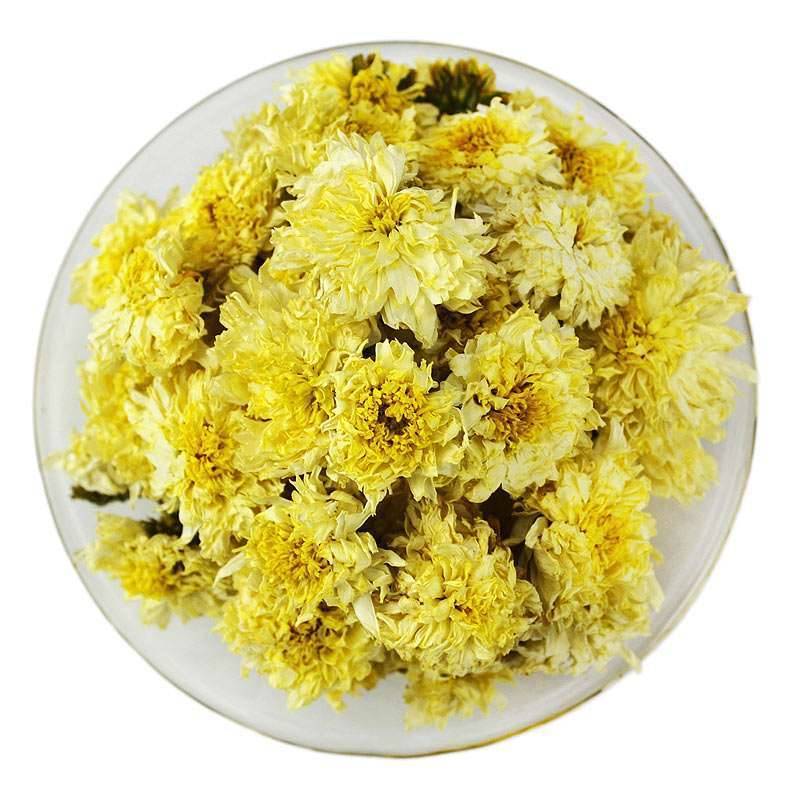
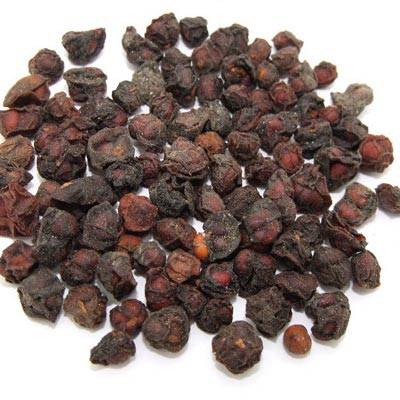
In Zimbabwe, the demand for natural health supplements is rising, yet the domestic processing of high-end fruit flower tea remains underdeveloped. Most products are imported, leading to a loss of bioactive compounds due to prolonged logistics and improper storage in the subtropical climate.
The local market currently relies on artisanal drying methods, which often compromise the sterility and standardized potency required for pharmaceutical-grade chrysanthemum tea. There is a critical gap in industrial-scale, hygienic processing facilities that can meet international GMP standards.
Economic fluctuations in the region have hindered the adoption of advanced freeze-drying technology, leaving a vast opportunity for the introduction of cost-effective, high-efficiency herbal slice processing systems that can preserve the delicate properties of mum tea.