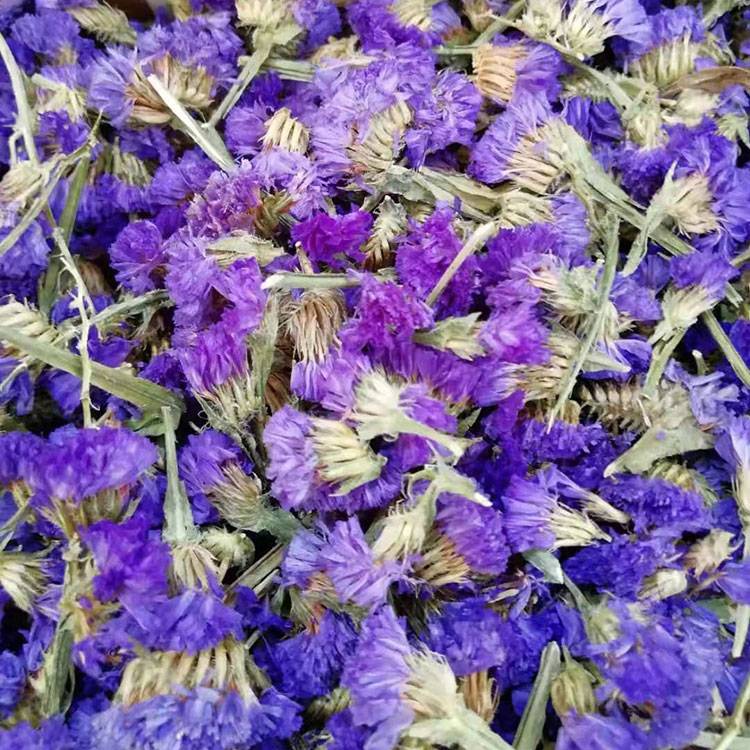

Uzbekistan's arid continental climate and rich history of herbal medicine have created a robust demand for high-quality botanicals. However, the local processing of fruit flower tea has traditionally relied on artisanal drying methods, which often lead to inconsistent active ingredient retention and susceptibility to oxidation.
The current market shows a significant shift toward pharmaceutical-grade processing. Consumers in Tashkent and Samarkand are increasingly seeking certified organic chrysanthemum products that guarantee the absence of pesticides and heavy metals, pushing the industry away from raw agricultural sales toward processed medicinal slices.
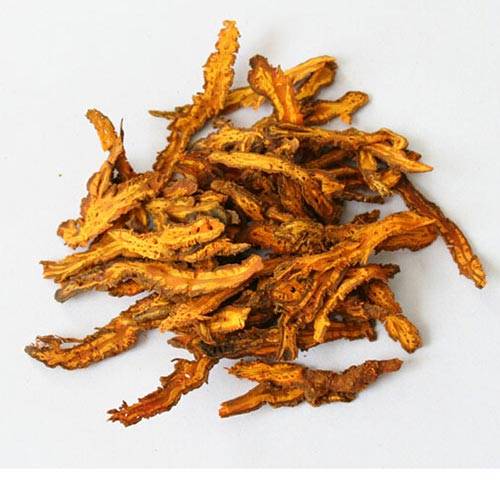
Despite the demand, there is a critical gap in specialized "drinking piece" (Yinpian) processing technology. The transition from simple drying to controlled low-temperature vacuum dehydration is essential to preserve the delicate volatile oils found in mum tea, ensuring medical efficacy is maintained during long-distance transit.