Advanced Organic Chrysanthemum Processing Solutions for India

Integrating traditional TCM pharmaceutical standards with modern industrial processing to deliver premium botanical extracts to the Indian wellness market.

Advanced Organic Chrysanthemum Processing Solutions for India

Providing high-purity, pharmaceutical-grade botanical processing services specializing in flower-based teas and herbal decoctions tailored for the rigorous quality demands of the Indian healthcare sector.

The Landscape of Botanical Processing in India

Analyzing the intersection of Ayurveda and modern pharmaceutical processing for herbal teas.

India's pharmaceutical landscape is witnessing a massive shift toward natural wellness, where the demand for high-quality chrysanthemum tea has surged. However, the local market often struggles with inconsistent processing standards and the lack of pharmaceutical-grade drying technologies, leading to loss of volatile oils and bioactive compounds.

The climatic diversity of India, ranging from humid coastal areas to arid plains, presents significant challenges for the storage and stability of raw mum tea. Traditional sun-drying methods frequently result in microbial contamination and discoloration, highlighting an urgent need for controlled vacuum-drying and freeze-drying technologies in the manufacturing sector.

Current industry trends in India show a growing preference for certified organic inputs. As consumers move toward "clean label" products, the processing of fruit flower tea now requires rigorous pesticide residue testing and standardized extraction protocols to meet both domestic AYUSH and international export standards.
Evolution of Herbal Processing Technology

From artisanal drying to pharmaceutical-grade automated processing.

Market Development History

Between 1990 and 2010, the Indian herbal market relied primarily on traditional Ayurvedic preparation methods, where botanical components were processed through manual sorting and open-air dehydration, often resulting in low potency.

From 2011 to 2020, the industry transitioned toward semi-automated machinery. The introduction of industrial oven-drying allowed for more consistent quality in snow chrysanthemum tea production, reducing processing time and improving shelf-life stability.

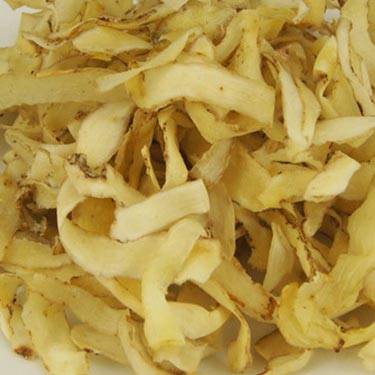
Since 2021, the era of "Precision Processing" has arrived. Integration of AI-driven sorting and low-temperature centrifugal extraction has enabled the mass production of pharmaceutical-grade botanical slices that preserve the original morphology and pharmacological activity of the flowers.

Future Development Trends

Supercritical CO2 Extraction

Moving beyond simple infusion, the next 3 years will see a shift toward supercritical fluid extraction to isolate high-purity active compounds from organic blossoms for nutraceutical applications.

Smart Traceability Systems

Blockchain-integrated supply chains will allow Indian consumers to trace every batch of herbal tea back to the specific organic farm and processing timestamp.

Customized Functional Blending

The integration of pharmaceutical precision in blending will allow for the creation of "Targeted Wellness" teas that combine traditional flora with specific micronutrients based on biometric data.

Industry Outlook and Future Perspectives

Predicting the trajectory of pharmaceutical botanical processing in India.

Eco-Friendly Processing
Implementation of zero-waste processing cycles to minimize the environmental footprint of botanical manufacturing.
GMP Standardization
Aligning traditional herbal processing with global Good Manufacturing Practices (GMP) for pharmaceutical export.
Cold-Chain Logistics
Developing specialized temperature-controlled storage for raw flower materials to prevent enzymatic degradation.
Bio-Active Mapping
Using HPLC testing to create a biochemical map of flower harvests for standardized dosing.

Industry Outlook

The convergence of Google search trends regarding "organic wellness" and "herbal detoxification" in India suggests a projected 15% CAGR for the pharmaceutical flower tea market. Companies that transition from simple agriculture to pharmaceutical processing will dominate the supply chain.

Future growth will be driven by the integration of "Preventative Healthcare" models, where standardized botanical extracts are prescribed alongside conventional medicine, necessitating a shift toward clinical-grade processing certifications.

Localized Application Scenarios in India

Practical implementations of pharmaceutical flower processing across different Indian sectors.

1. Premium Ayurvedic Wellness Resorts

Utilizing pharmaceutical-grade fruit flower tea for luxury detoxification programs in Kerala and Rishikesh, ensuring zero pesticide contamination.

2. Urban Pharmaceutical Pharmacies

Distribution of standardized, vacuum-packed chrysanthemum extracts as natural cooling agents in metropolitan hubs like Mumbai and Delhi to combat extreme heat waves.

3. Organic Retail Chains

Implementing QR-coded packaging for certified organic chrysanthemum products, allowing urban consumers to verify the pharmaceutical processing grade.

4. Clinical Herbal Integration

Supplying high-purity, residue-free botanical slices to integrated medicine clinics that combine traditional Ayurveda with modern pharmacology.

5. Export-Oriented Manufacturing

Using advanced drying technology to process Indian-grown botanical flora for the global EU and US markets, meeting strict heavy metal and microbial limits.

Brand Story

Global Development Process of Hebei Hexing Import and Export Trade Co., Ltd.

Foundational Excellence

Established with a mission to bridge the gap between traditional herbal cultivation and pharmaceutical-grade processing standards.

Technological Breakthrough

Invested in advanced low-temperature drying and centrifugal extraction to solve the industry pain point of bioactive degradation.

Global Standardization

Achieved international pharmaceutical certifications, enabling the export of high-purity botanical slices to the most demanding global markets.

Strategic India Expansion

Tailoring pharmaceutical processing solutions to meet the specific climatic and regulatory needs of the Indian AYUSH and pharmaceutical sectors.

Future Vision

Leading the transition toward "Digital Botany," where AI-driven processing ensures every flower petal meets clinical purity standards.

Comprehensive Botanical Product Portfolio for India

Pharmaceutical-grade processed floral products designed for purity, potency, and stability.

Common Questions in the Indian Botanical Market

Expert answers to technical and regulatory queries regarding pharmaceutical flower processing.

How does pharmaceutical-grade processing improve organic chrysanthemum quality?

Unlike traditional drying, pharmaceutical processing uses controlled temperature and vacuum environments to prevent the oxidation of flavonoids and volatile oils, ensuring the tea maintains its therapeutic properties.

What are the storage requirements for snow chrysanthemum tea in India's climate?

Due to India's high humidity, we recommend pharmaceutical-grade moisture-proof packaging and storage in temperature-controlled environments below 25°C to prevent mold growth.

Can fruit flower tea processing be certified for AYUSH standards?

Yes, by adhering to strict GMP (Good Manufacturing Practices) and providing comprehensive certificates of analysis (CoA) for every batch, the processing meets the quality benchmarks of AYUSH.

How do you ensure zero pesticide residue in organic chrysanthemum processing?

We implement a multi-stage screening process including HPLC testing and strict source auditing to ensure that all materials are 100% organic before they enter the processing line.

What is the difference between mum tea and pharmaceutical-grade flower slices?

Standard mum tea is typically food-grade. Pharmaceutical-grade slices undergo rigorous microbial testing, heavy metal analysis, and precision cutting to ensure consistent dosing and purity.

What is the typical shelf life of vacuum-processed herbal teas?

When processed using pharmaceutical vacuum technology and sealed in aluminum-foil composite packaging, the shelf life is typically extended to 24-36 months without loss of potency.

Consult Our Processing Experts

Ready to upgrade your botanical supply chain in India? Contact our engineers for customized pharmaceutical processing solutions.

Contact Us Now

If you are interested in our products, you can choose to leave your information here, and we will be in touch with you shortly.